
Last updated November 16, 2026
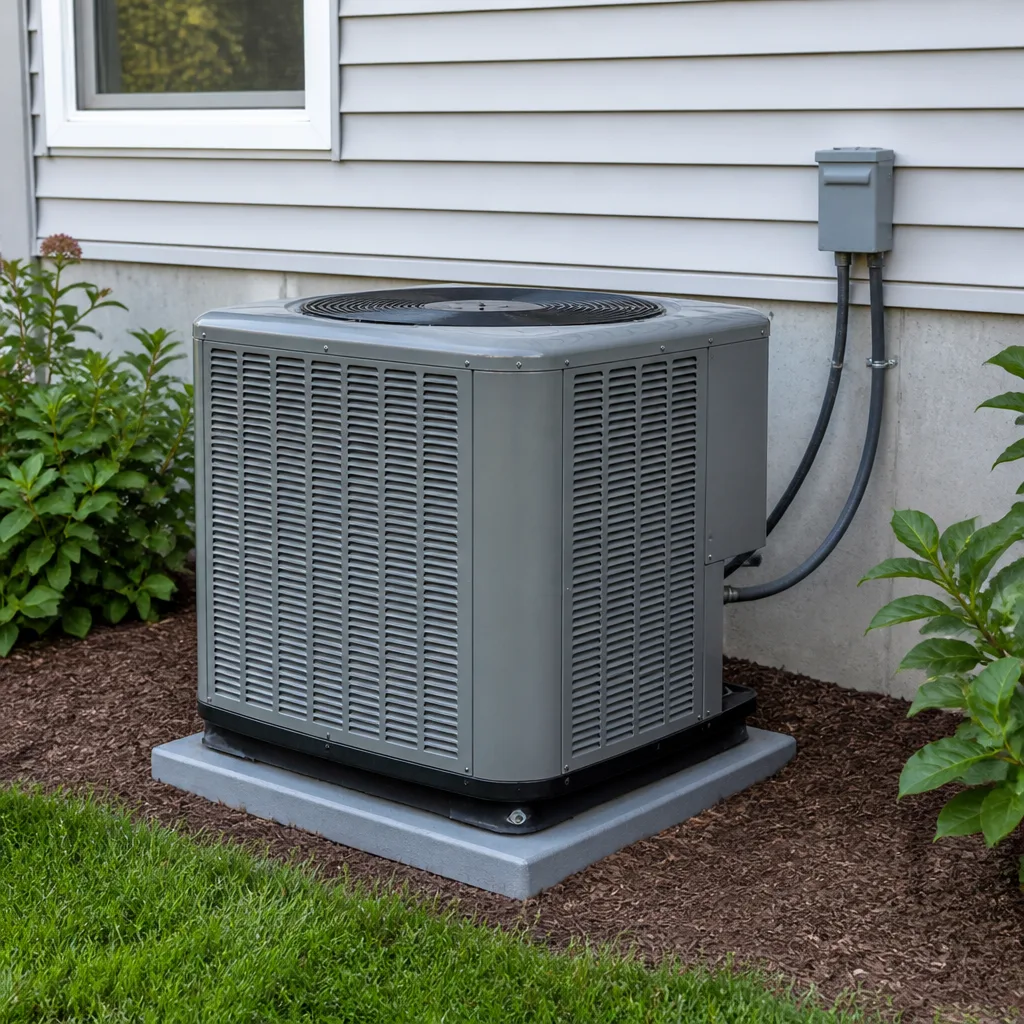 AC repair
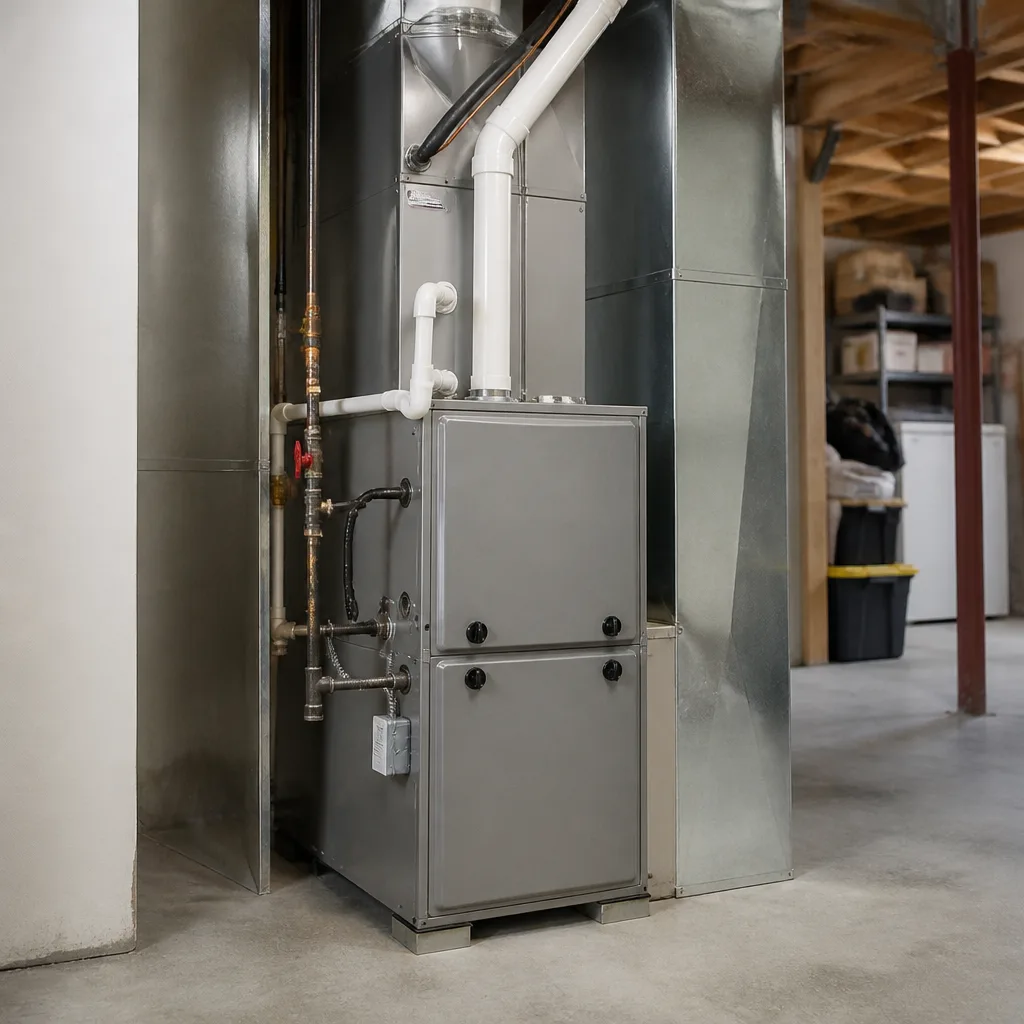 Furnace & heating
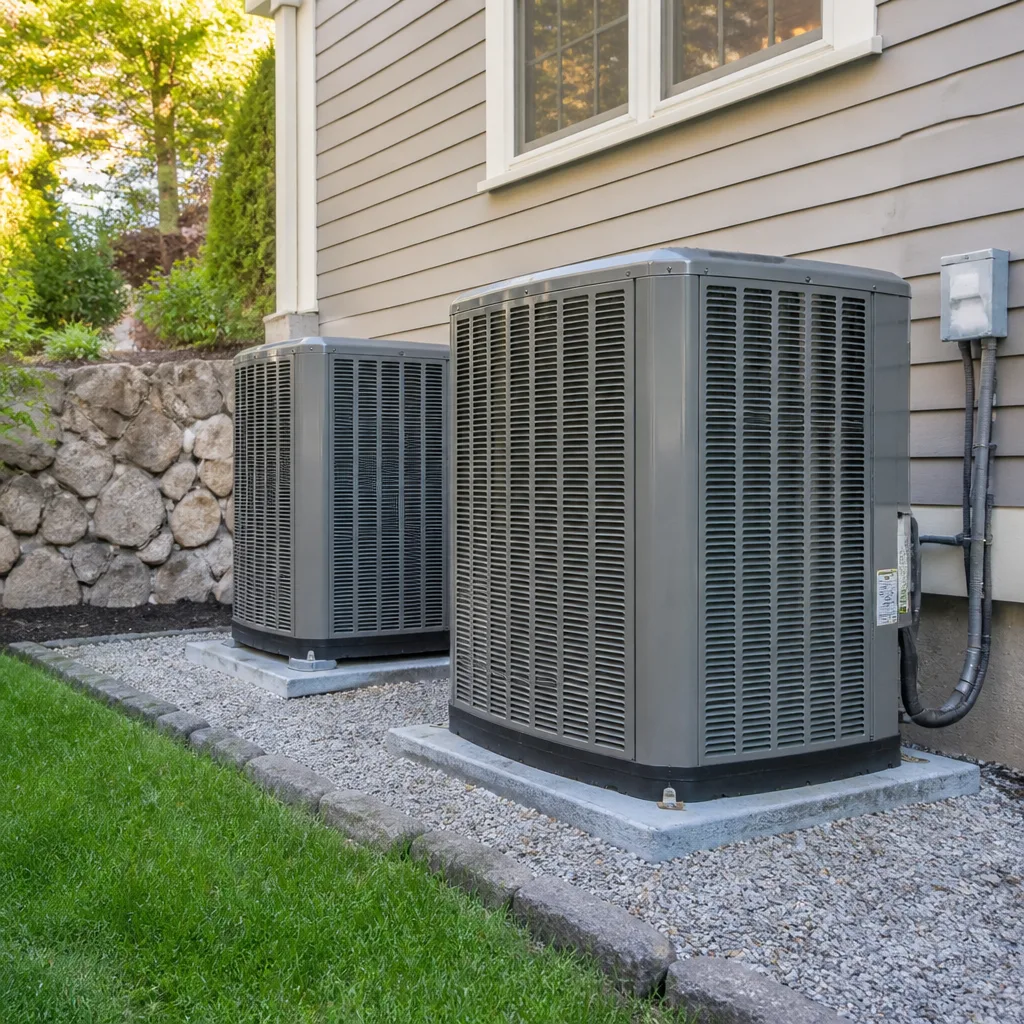 Heat pumps
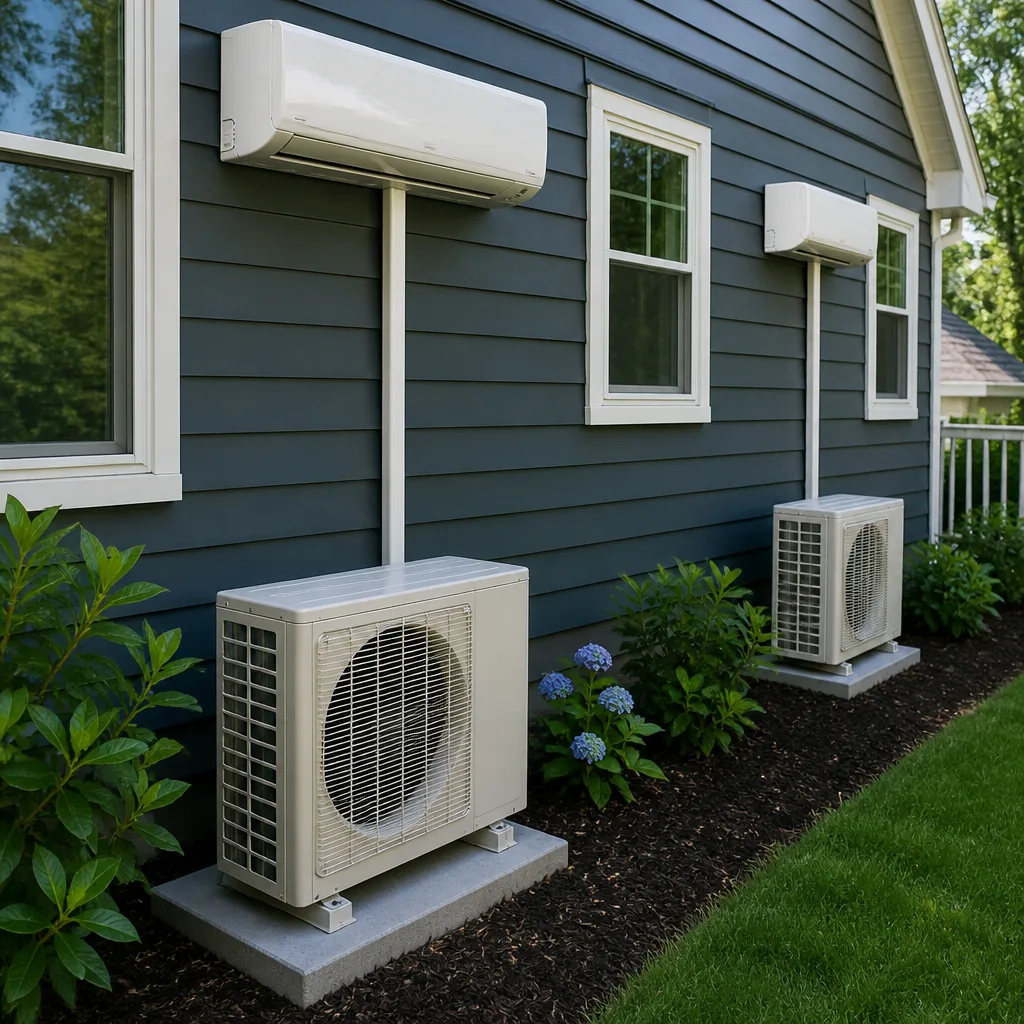 Ductless mini splits
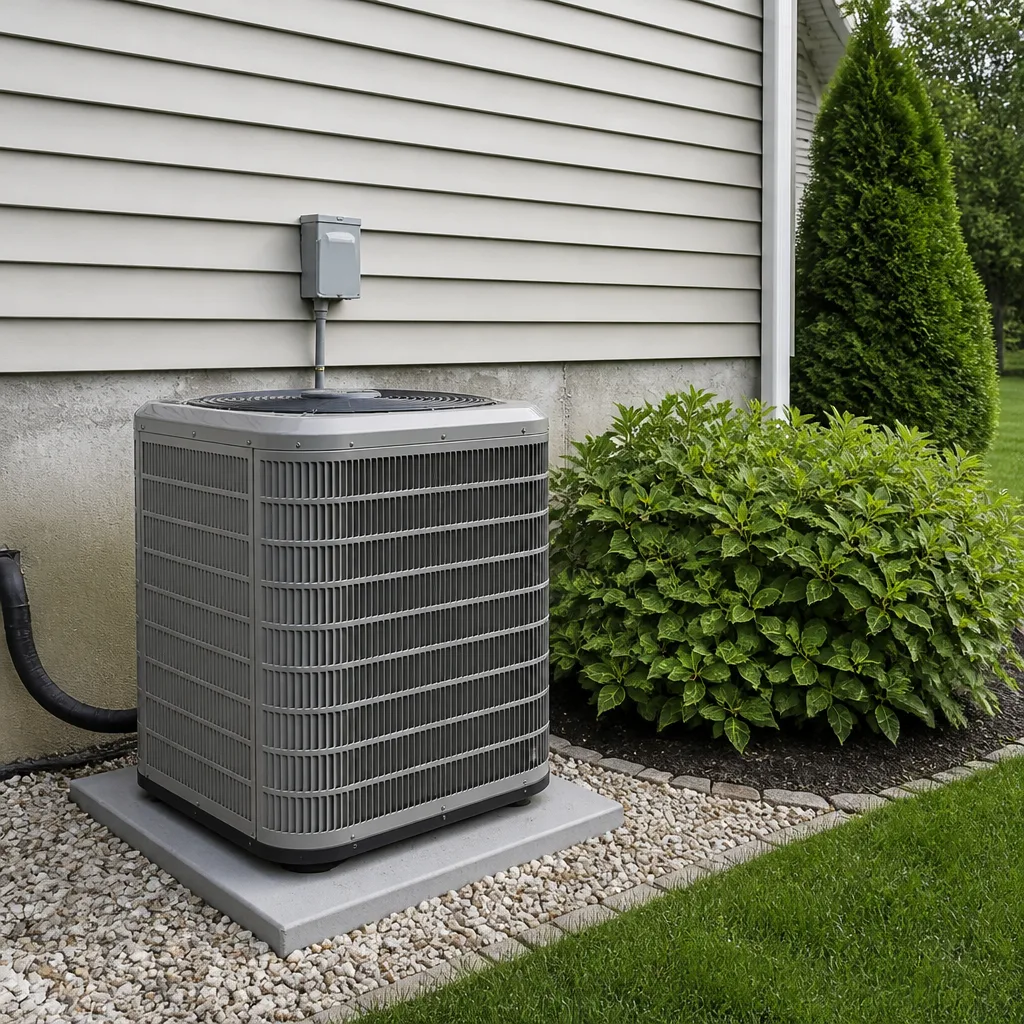 Carrier
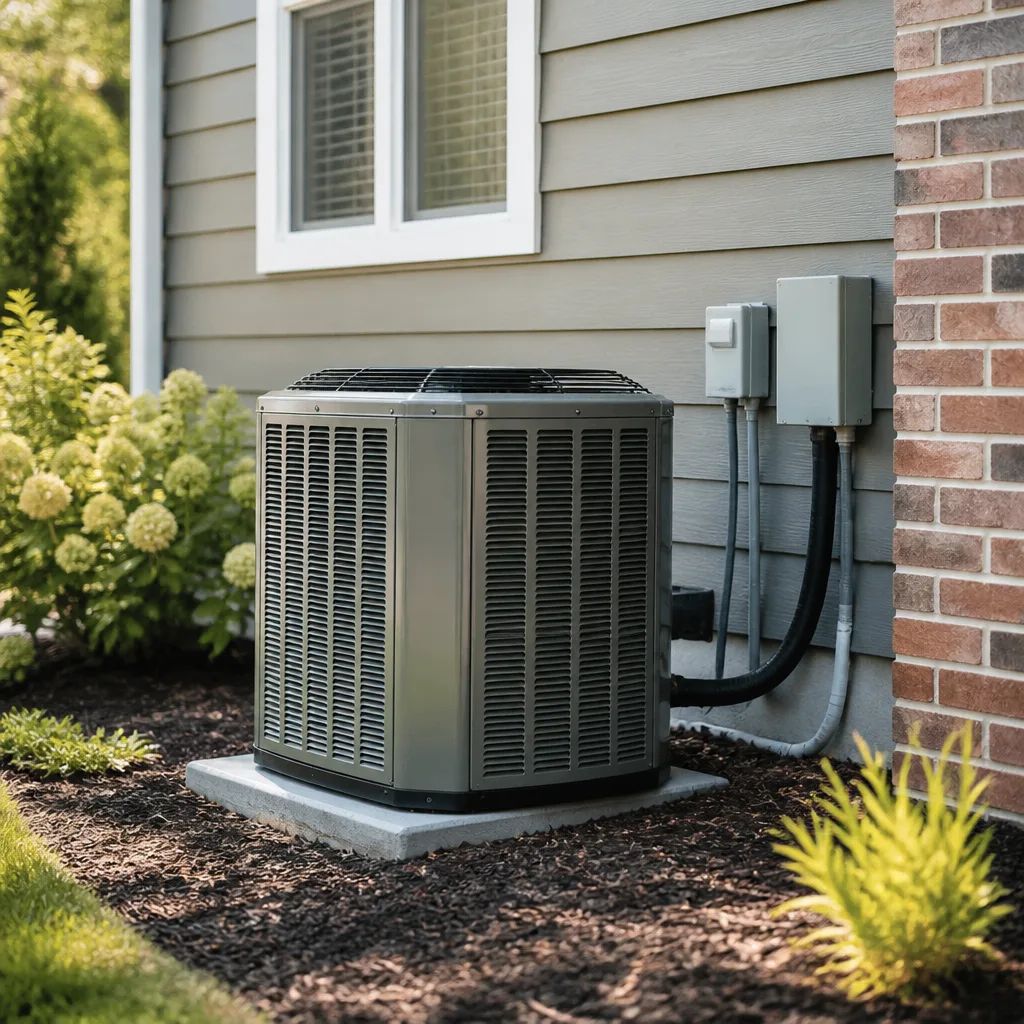 Trane
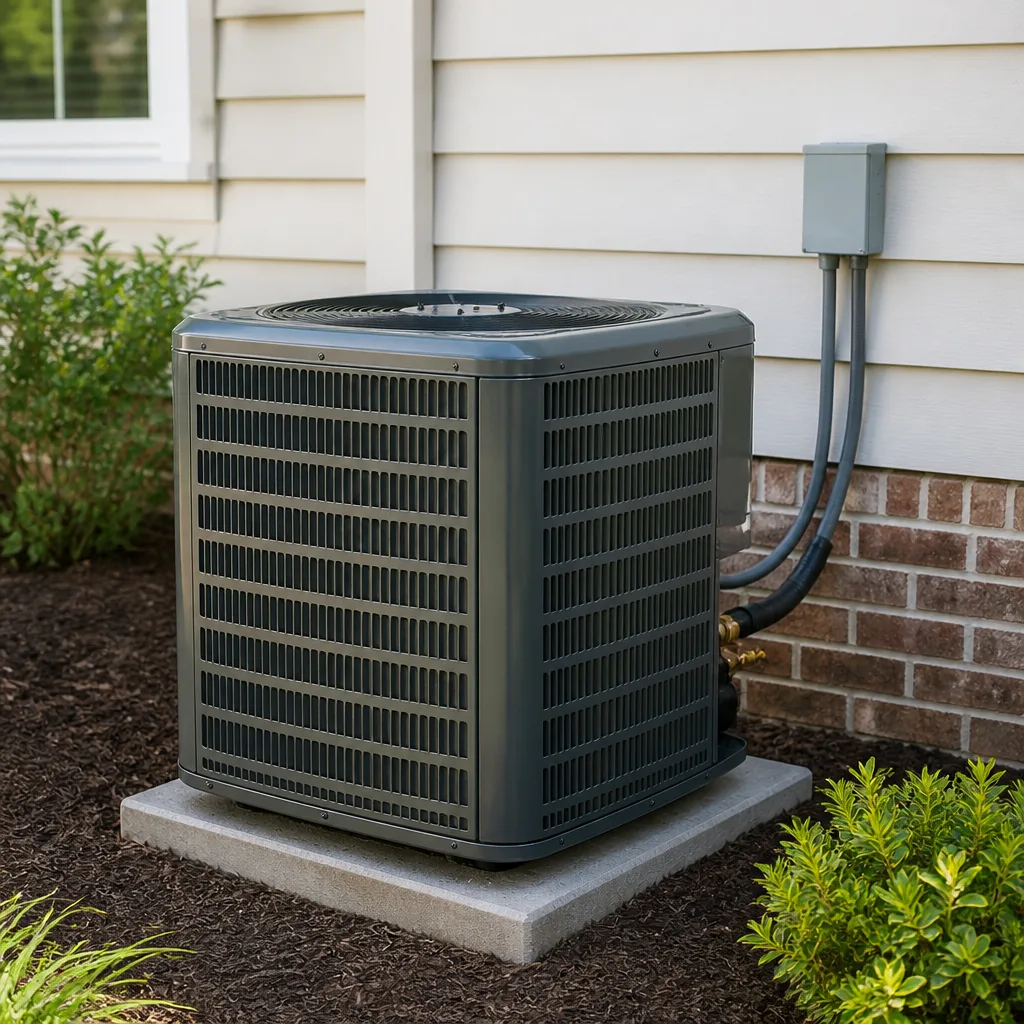 Goodman
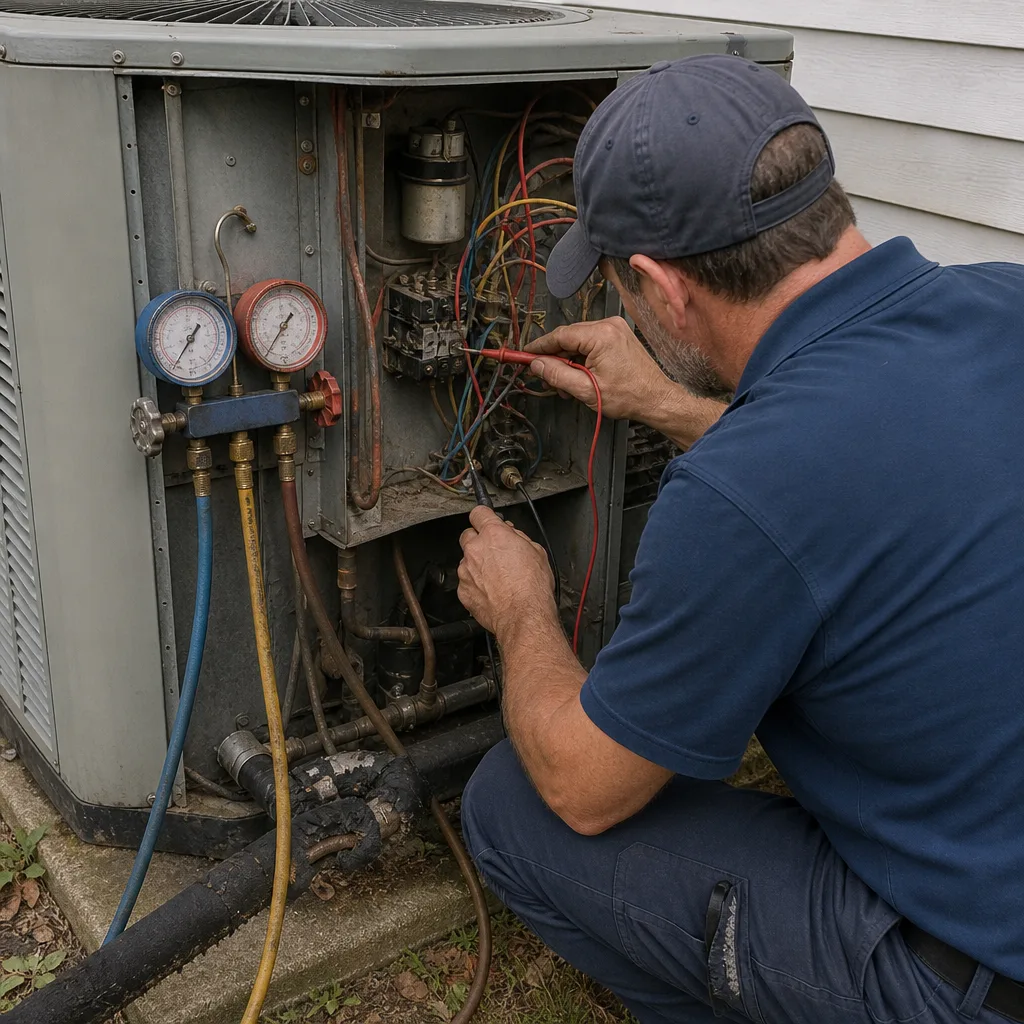
Seasonal tune-up and full diagnostic on your Carrier, Trane, or Goodman system - readings shown to you before any repair is proposed
Diagnosis first, numbers second - you approve the repair price before a single part goes in.
Get your free estimateHVAC Emergency Preparedness Guide for Palm Coast Homes
Here’s a pattern worth knowing before summer: during the first real heat event of the season in Palm Coast, HVAC contractors get booked solid for days. The homeowners who land same-day service usually aren’t luckier than their neighbors. They prepared on a quiet afternoon weeks earlier, and they knew exactly who to call and what to say. Most HVAC emergency readiness is unglamorous work: a filter on the shelf, a number saved in a phone, a drain line you’ve checked once. This guide gives you a concrete action plan you can finish in about two hours. It won’t stop equipment from failing, but it will change how a failure goes for your household.
Quick Answer
The core of HVAC emergency prep in Palm Coast is a small kit (spare filters, a backup thermostat, a wet/dry vac, a whole-home thermometer), a written restart checklist for after a tropical storm or power surge, and a saved HVAC contact you trust before you need one. Add a plan for cooling one room safely if the AC quits during peak summer, and you’ve covered the failure modes that actually happen here. You don’t need heroic measures. You need about two focused hours and a short list you can act on.
Styles & brands we work with
- AC repair
- Furnace & heating
- Heat pumps
- Ductless mini splits
- Carrier
- Trane
- Goodman
Table of Contents
- Why HVAC emergences stack up in Palm Coast
- Building your HVAC emergency kit
- The post-hurricane HVAC restart checklist
- How to find legitimate HVAC help without getting price-gouged
- The “survive the wait” protocol when the AC fails in peak summer
- Surge protection and generator compatibility
- Humidity, filters, and the maintenance habits that prevent the emergency
- When to call a professional
- Frequently asked questions
Why HVAC Emergencies Cluster in Palm Coast
Two predictable events account for most of the HVAC emergencies we hear about in Palm Coast: the first sustained heat spike of summer, and the stretch after a tropical storm. Both put sudden, hard demand on a system that’s been running relatively easy for months. When temperatures climb sharply, every air conditioner in the city works harder on the same day, and the ones with a weak capacitor, a clogged drain line, or a filter that hasn’t been changed choose that moment to quit.
The storm side is different but just as predictable. A tropical storm brings power interruptions, surges, and days when a system sits idle in high humidity. When power returns, a rush of compressors starts at once. In our experience, the calls that come in after a storm cluster around the same handful of causes: tripped breakers, a float switch that shut the unit down because the drain pan filled, and controls that got scrambled by a surge.
Palm Coast’s summer heat and humidity combination is the part that catches newcomers off guard. It isn’t just temperature. After a storm, the air inside a closed home can be as humid as it is outside, and a cooling system that’s off lets that moisture soak into furnishings and walls. That’s why “the AC died” after a storm is about more than comfort.
- Heat spikes push aging capacitors, contactors, and compressors to the edge all at once.
- Power surges and outages interrupt controls and can damage the low-voltage side of a system.
- High humidity while the system is off stresses the house itself, not just the equipment.
- Drain line backups are the quiet failure most homeowners only notice when the float switch trips.
Understanding where the pressure comes from makes it easier to prepare for the right things. A bit of readiness aimed at these few causes covers most of what can go wrong. Our Palm Coast team sees these patterns play out every season, so this guide is built around them.
Building Your HVAC Emergency Kit (About Two Hours)
A serious HVAC emergency kit for a Palm Coast home fits on one shelf and costs less than a dinner out. The point isn’t to fix the system yourself. It’s to keep the house livable, protect the equipment from further damage, and give a technician what they need to move fast when they arrive.
- Spare air filters in the right size. Write the size on the inside of the return grille so nobody has to guess. Two spares on the shelf means a filter change never waits on a store run during a heat event.
- A backup thermostat. A simple programmable one is fine. If the primary thermostat fails, a spare removes a whole category of “is it the thermostat or the system” mystery and lets a technician rule it out quickly.
- A small wet/dry vac. A shop vac with a narrow nozzle is the tool for clearing a condensate drain line and catching the water that builds up in the pan. Most float-switch shutdowns are drain problems, and having the vac on hand lets you describe the situation accurately when you call.
- A whole-home thermometer. A room-by-room thermometer tells you whether the whole house is warm or one room is. That single detail helps a technician decide what to bring.
- A written contact card. The number for a service you trust, plus the manufacturer and model of your system, saved in a place you won’t hunt for mid-crisis.
- A working flashlight and fresh batteries. A storm that knocks out power also knocks out the light you need to read a model plate.
That’s the whole kit. Filters you’ll actually change, a spare thermostat, a shop vac, a thermometer, a saved number, a light. The two hours includes writing down the model and serial numbers of your outdoor unit and furnace, because reading those plates in normal daylight is far easier than squinting at them in the middle of a breakdown. If your system is a Carrier, Daikin, or American Standard unit, jot the brand down too; the technician working on it will want to know, and our team services all of them.
The Post-Hurricane HVAC Restart Checklist
Before you flip the breaker back on after a tropical storm or a long outage, resist the urge to just turn it on and hope. A system that sat through heavy rain and a power surge should be restarted in order, and you’re checking for the things that cause real damage when a unit is run in a bad state.
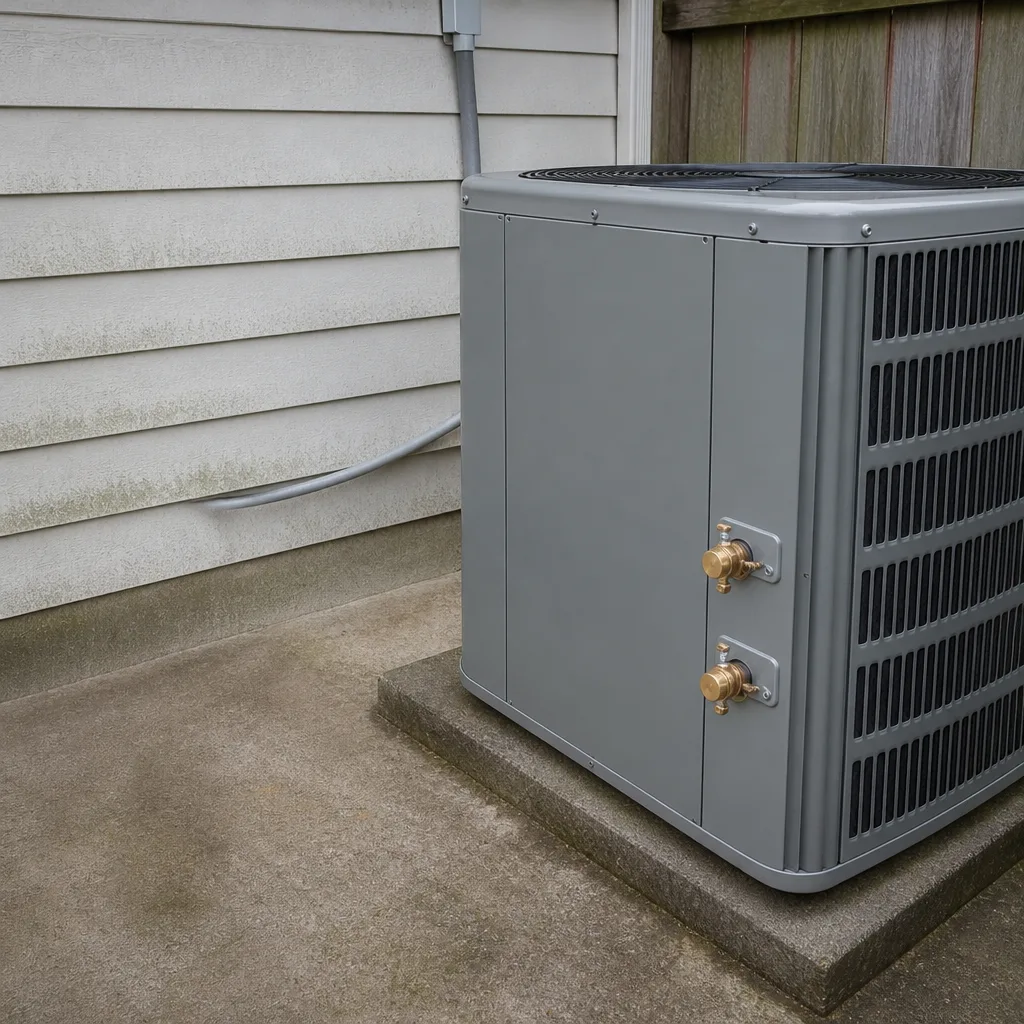
- Look at the outdoor unit first. Check for storm debris, standing water, and anything that shifted, bent, or sits against the equipment.
- Confirm the breaker is fully on. A breaker that’s tripped halfway looks on but isn’t. Reset it once, and if it trips again, stop and call.
- Check the drain pan and drain line. If they’re full of water, the float switch did its job and shut the system down. Clear it with your shop vac or call for help.
- Replace the filter. Storm weeks often mean more dirt in the air and a clogged filter overworks a system that’s already recovering.
- Turn the system back on calmly. Let it run and watch for unusual sounds, smells, or a unit that starts and stops in short cycles.
If the unit won’t cool, cycles rapidly, or smells like something is burning, leave it off and call. Running a damaged compressor or a system with a shorted control can turn a small repair into a replacement. If you’re unsure, a quick conversation with a technician can save the equipment. When it’s time for hands-on help, this is the kind of work a furnace repair call handles on the heating side and a cooling specialist handles on the AC side; different equipment, same care about diagnosing before replacing.
How to Find Legitimate HVAC Help Without Getting Price-Gouged
During a heat event, when demand is high, two failure types show up in Palm Coast: honest shops that are simply booked out, and opportunistic vendors who quote big and push replacement before diagnosis. The difference is visible in the questions they ask before they ever show up. A legitimate outfit wants to know the symptom, the model, and whether the system ran before the storm. A vendor who “guarantees a full replacement today” before asking any of that is telling you what they sell.
Here’s how to tell the difference before you commit to a call:
- They ask questions first. Symptom, system age, brand, and whether anything changed recently (a storm, a surge, a tripped breaker).
- They quote per job in writing. A written estimate is a fixed price for a defined job, not a range that moves once the equipment is open.
- They don’t rush you toward replacement. A good technician explains what’s wrong and whether a repair will hold, then lets you decide.
- They’re brand-agnostic. A technician tied to one manufacturer has an incentive to steer you that way. A neutral one works on what you own.
- The price is set by the estimate. You should know the price before work begins, in writing.
A service that covers both AC installation and repair, and that services equipment from nine major brands, can afford to tell you the truth about repair versus replace. That’s the whole point of brand-neutral recommendations. No single manufacturer’s badge means no incentive to sell you one. Our team works on Carrier, Trane, Lennox, Goodman, Rheem, York, Daikin, Bryant, and American Standard systems, so the answer is based on your house, not on what’s on the shelf.
The “Survive the Wait” Protocol When the AC Fails in Peak Summer
If the AC quits during the worst heat of a Palm Coast summer and help is hours or a day out, you’re managing comfort and humidity for a short while, not abandoning the house. The goal is to keep one room livable, move air, and avoid the things that make a warm, humid house worse.
- Pick the coolest, smallest room in the house. A small room with one window is easier to keep comfortable than a large open living space.
- Close it off and darken it. Shade the windows and shut the door. Blocking sunlight does more than moving air.
- Move air through the occupied room. A fan pointed out a window pulls hot air out; a fan pointed in brings cooler night air in. After sunset, ventilate; during the hottest part of the day, keep the room closed and shaded.
- Don’t run the heat-producing appliances. Cook outside or eat cold food; the oven will undo a lot of progress.
- Watch the humidity. In Palm Coast, warm air that’s also humid is harder on people and furnishings than dry heat. If you have a working dehumidifier, use it in the room you’re keeping cool; if not, keep interior doors shut to limit spread.
- Leave the system off if it’s failing. Running a compressor that’s short-cycling or struggling can finish it off. Off is safer until a technician arrives.
A backup plan written down before summer means you’re not making these calls under pressure. A short note taped inside a closet door, listing where fans are stored and which room you’ll use, removes the scramble. If you keep a system in a condition where this write-down is worth having, our team would rather talk you through a repair than a replacement any day of the week. Call (855) 360-7379. We answer 24/7. Fast dispatch from 7am to 7pm, Sunday through Friday.
Surge Protection and Generator Compatibility Before Storm Season
Two pieces of equipment matter more than most homeowners expect during Palm Coast’s storm season: a proper whole-home surge protector and a generator that plays nicely with your HVAC system. Both are upgrades you plan for in the calm before the storm, because neither can be sorted out once the power is already out.
Surge protection
HVAC systems are vulnerable to power surges, and a storm isn’t the only source. The moment your neighborhood’s power comes back, the rush can spike the lines. A whole-home surge protector installed at the electrical panel is the bigger line of defense; a point-of-use protector on the HVAC disconnect adds a second layer. Neither replaces a call to a licensed electrician for the panel work, but they’re worth asking about as part of storm prep. If you’re not sure what you have, that’s a question for a qualified electrical professional before the season, not after a surge.
Generator compatibility
If you rely on a portable or standby generator, know how your HVAC system will behave when it’s on it. A few things to confirm with a technician or electrician before you need the generator:
- Does the system run on the generator’s output? Starting an air conditioner takes more current than running it, and a generator sized only for “runtime” may not handle the startup draw.
- Is the generator connected safely? Never back-feed a house through an outlet. Use a proper transfer switch installed by a qualified electrician.
- What’s the plan if the HVAC won’t run on the generator? Decide in advance which rooms you’ll cool and whether a small window unit is part of your storm kit.
- Surge protection on the generator feed. A generator that’s running during a storm is still connected to a lot of electrical chaos; surge protection matters there too.
Get answers before the next storm season, while the calendar still has room for a service visit. This is the kind of planning work that never feels urgent until it’s too late, and that a Palm Coast homeowner can knock out in an afternoon.
Humidity, Filters, and the Maintenance Habits That Prevent the Emergency
Most HVAC emergencies you’ll read about in Palm Coast began weeks earlier as something boring: a filter nobody changed, a drain line nobody checked, a system running with the thermostat set to fight the humidity. The equipment didn’t choose the moment to fail. It was pushed there by small neglected things. Preventive habits won’t eliminate every emergency, but they move the odds firmly in your favor.
- Change the filter on a schedule, not on a feeling. Write the install date on the filter with a marker. In a home with pets or high dust, a monthly check beats any calendar reminder.
- Look at the drain pan monthly. A quick peek at the condensate pan and the line near it catches the clog before the float switch shuts the system off.
- Set the thermostat where the system can actually keep up. Setting it lower than the equipment can reach during a heat spike just runs the system constantly.
- Keep the outdoor unit clear. Grass, leaves, and stored items against the unit restrict airflow and make it work harder in Palm Coast’s heat.
- Listen once a month. Stand near the outdoor unit and listen. New rattles, clunks, or short on-off cycling are early warnings worth a repair call rather than a replacement.
None of this takes long. The payoff is that the first heat spike and the next tropical storm find your system in better shape than the one next door. And if something does fail, you’ll know the brand and the model and you’ll be the caller who can describe the symptom clearly, which is often the difference between a quick fix and a long wait.
When you’re ready for help with the routine side, our team at Sycamore AC Repair handles heating and cooling under one company. HVAC is all we do, and our technicians have up to 13 years of experience diagnosing the exact failures that cluster here.
When to Call a Professional
Some HVAC issues are worth a careful restart and a wait. Others are a call now. Call a professional if the system won’t cool after a storm, if a breaker trips more than once when reset, if you smell burning or see scorch marks near electrical controls, if water is standing in or near the drain pan, or if the outdoor unit runs but produces no cool air. High-voltage electrical work and refrigerant handling are not homeowner jobs; both need a trained professional. If you’re unsure whether a symptom is serious, call and describe it; a quick conversation often answers the question for free. Sycamore AC Repair offers free estimates in Palm Coast – call (855) 360-7379. We answer 24/7, with fast dispatch from 7am to 7pm, Sunday through Friday. Repair or replace, you’ll get the honest answer.
Frequently Asked Questions
During the first sustained heat event of summer, response times stretch and many shops book several days out. The homeowners who get faster service prepared in advance by saving a contact and describing the problem clearly. Call (855) 360-7379 for an exact quote – estimates are free.
Check the outdoor unit for debris and standing water, confirm the breaker is fully on, inspect the drain pan and line, replace the filter, then turn the system on and watch it. If it won’t cool, trips the breaker again, or smells like burning, leave it off and call. Call (855) 360-7379 for help – estimates are free.
Only if the generator is sized for the system’s startup draw and connected through a proper transfer switch installed by a qualified electrician. Many portable generators can’t handle AC startup current. Verify compatibility before you need it. Call (855) 360-7379 to talk through your system – estimates are free.
Monthly checks are a good habit here, and replacing the filter when it’s visibly loaded keeps the system from working harder than it should. Write the install date on the new filter so you never guess. Call (855) 360-7379 with questions about your specific system – estimates are free.
That depends on what failed. A tripped float switch, a scrambled control, or a worn capacitor is a repair. A damaged compressor on an aging system may not be. A technician can tell you which you have and whether a repair will hold. Call (855) 360-7379 for the honest answer – estimates are free.
A whole-home surge protector installed at the panel, plus a point-of-use protector at the HVAC disconnect, adds real protection against the surges that come with storm-season power interruptions. The panel work needs a licensed electrician. Ask about it during your storm-season prep. Call (855) 360-7379 to discuss your equipment – estimates are free.
Common Mistakes to Avoid
- Waiting until the first heat spike to test the system. The system that fails in July is the one that never ran in May. Run it once on a mild day and listen for trouble.
- Turning the AC straight on after a storm without checking. Restarting a unit with debris, standing water, or a tripped breaker can turn a minor issue into a compressor failure.
- Changing the filter only when it looks bad. In a Palm Coast home with pets or dust, “looks bad” often comes too late. Write the date and change on schedule.
- Calling the first vendor who promises same-day replacement. A quote that lands before you’ve described the symptom is a sales pitch, not a diagnosis. Ask questions first.
- Running a failing system to “get by.” Short-cycling, rattling, or repeated trips are warnings. Off is safer than on while you wait for help.
- Skipping surge protection before storm season. Power restoration surges are a real cause of HVAC damage here, and protection is planned, not improvised.
- Assuming your generator will run the AC. Startup current is the trap. Confirm compatibility with a qualified professional before the next storm.
The Bottom Line
HVAC emergencies in Palm Coast are predictable. They cluster around summer heat spikes and tropical storms, and the preparation that shifts the odds takes about two hours: a small kit, a written restart checklist, a saved contact, a plan for cooling one room safely, and storm-season surge and generator checks done in advance. None of it is heroic. All of it changes how a failure goes for your household. If you’d rather have that conversation with a team that knows the brands you own, Sycamore AC Repair is here. Nine major brands serviced, including yours. Repair or replace, here’s the honest answer. Call (855) 360-7379 for a free estimate, and get your home on a calmer footing before the next season starts.
Written by the team at Sycamore AC Repair.
See the difference
 Before
 After
 Before
 After
 Before
 After