
Last updated November 16, 2026
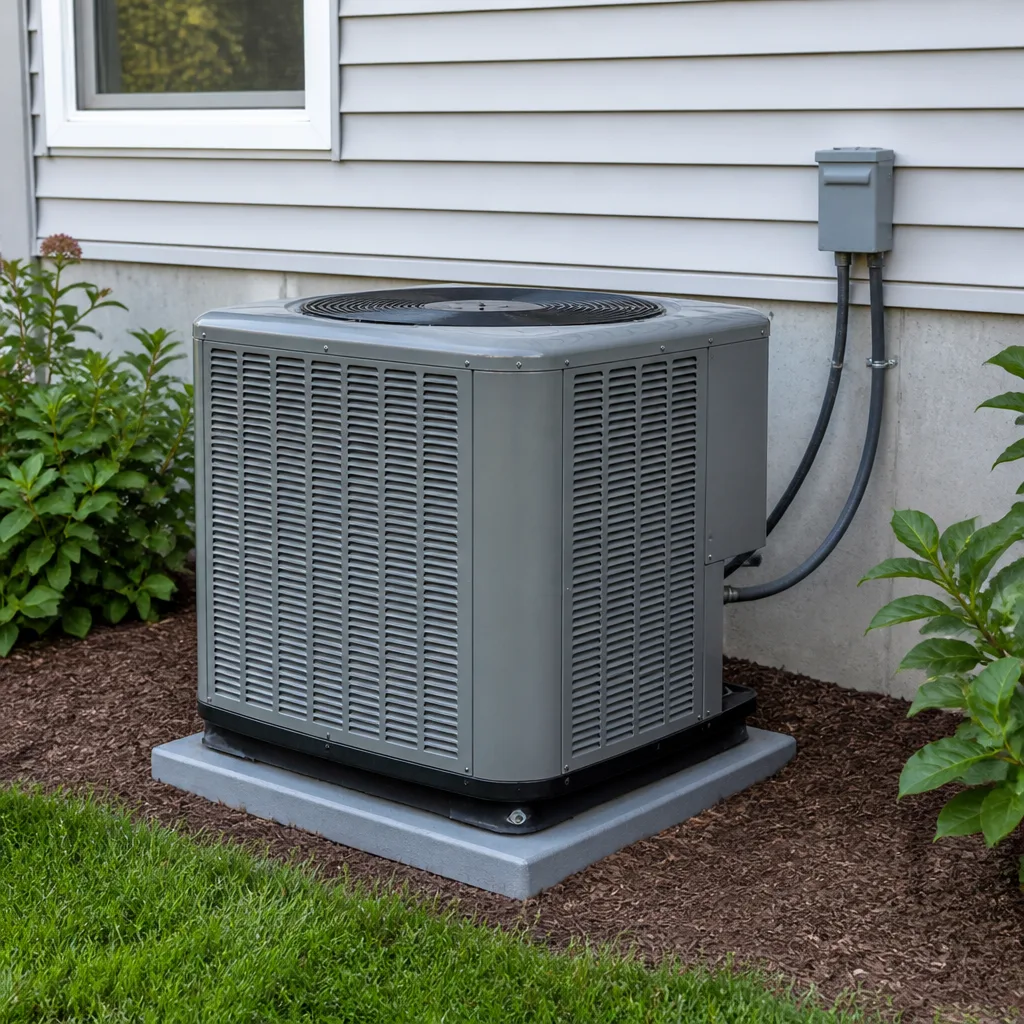 AC repair
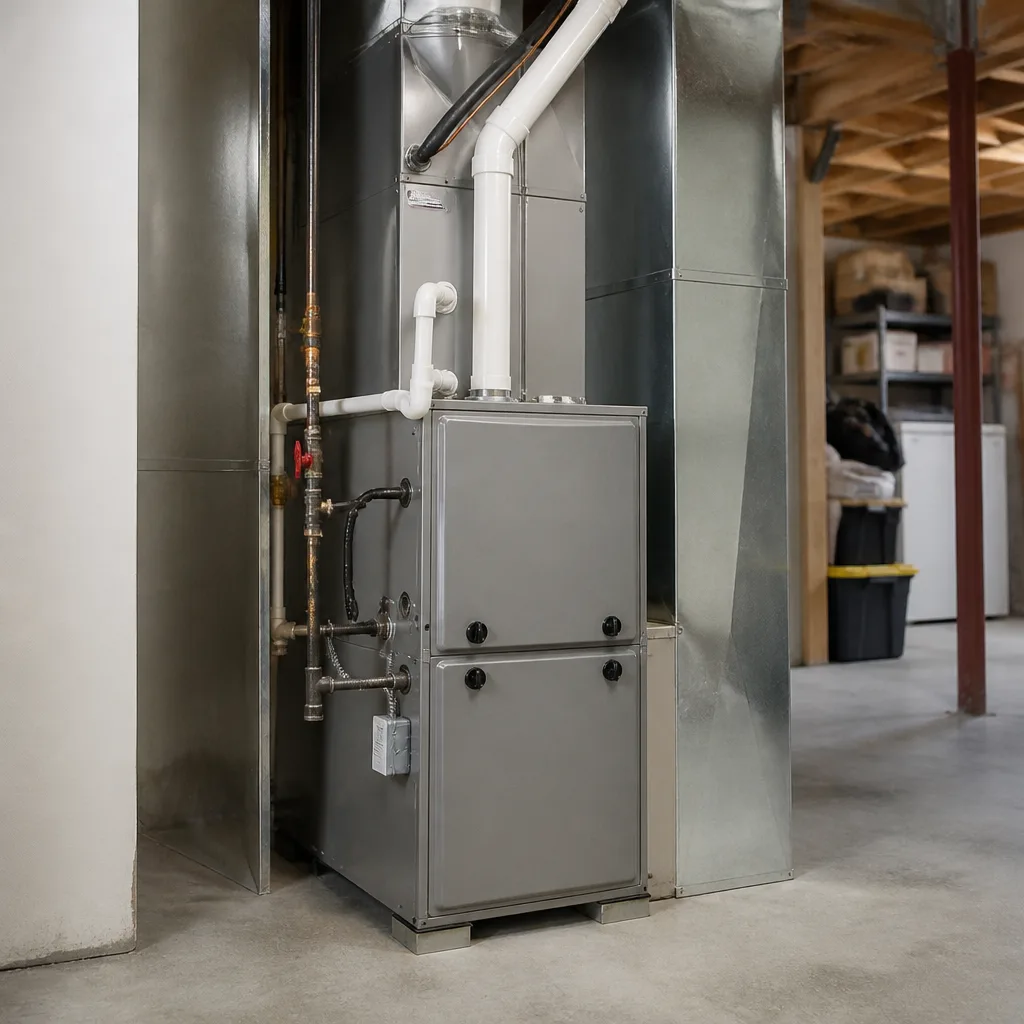 Furnace & heating
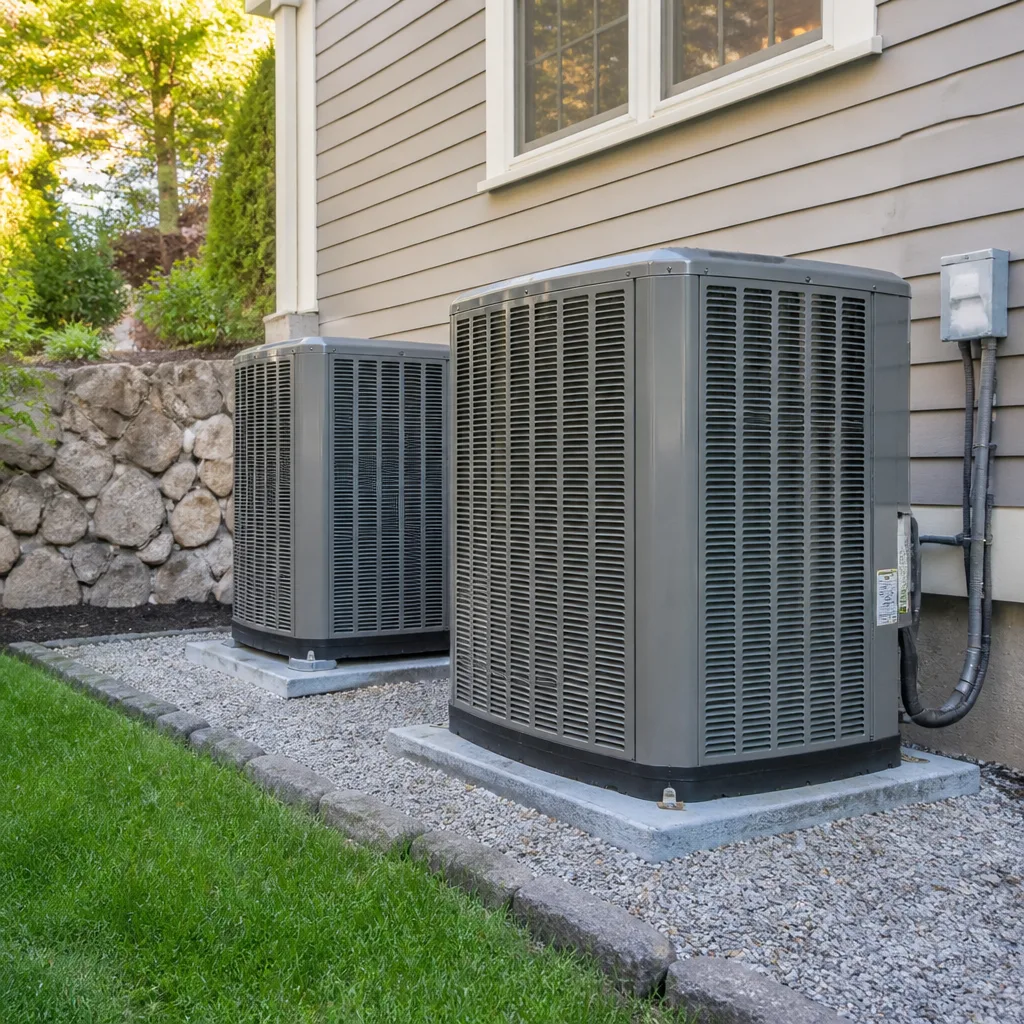 Heat pumps
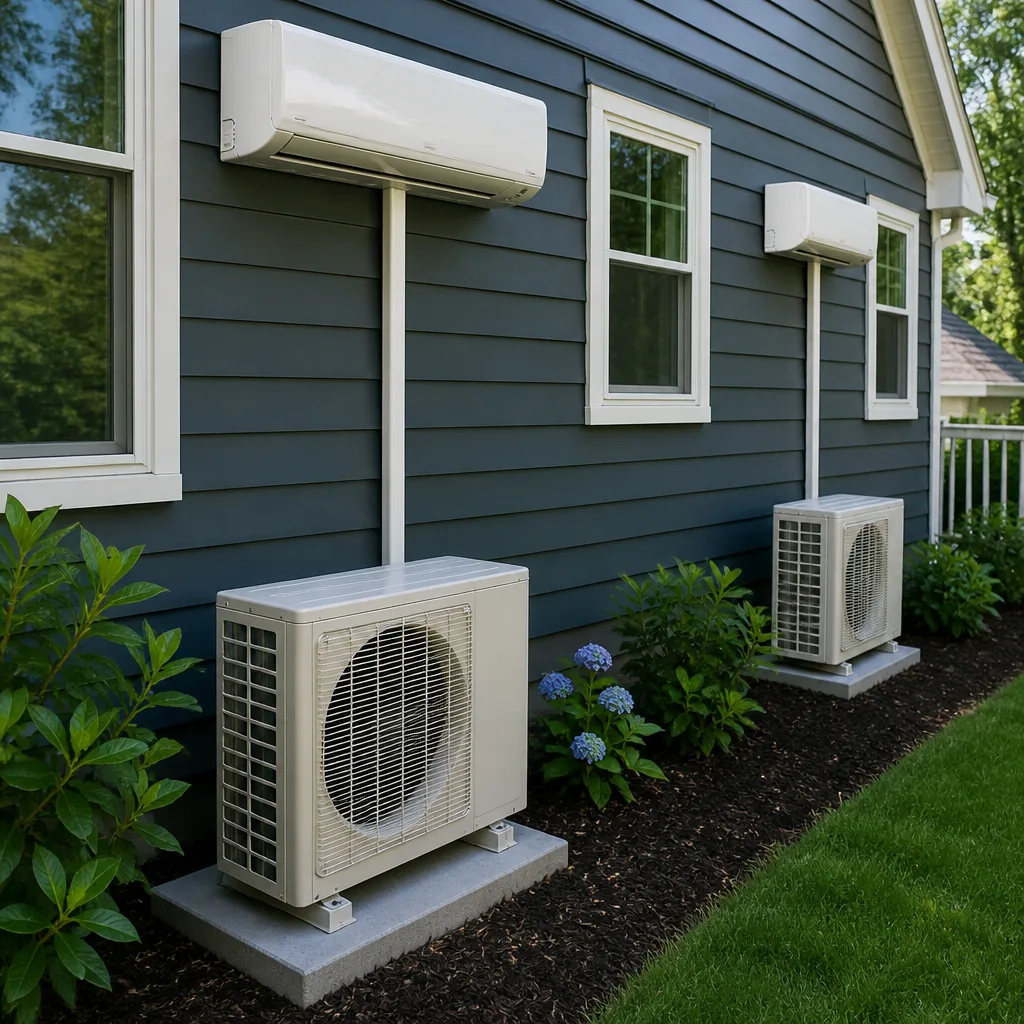 Ductless mini splits
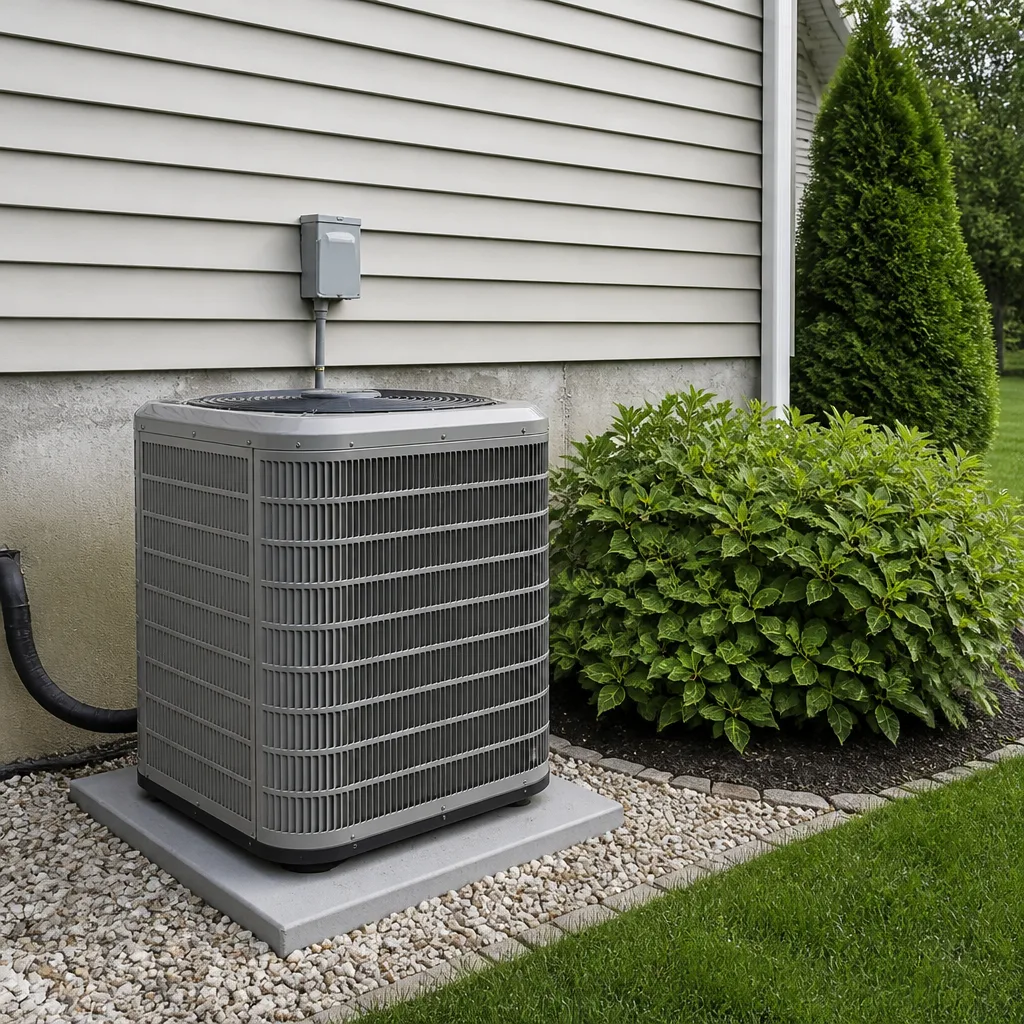 Carrier
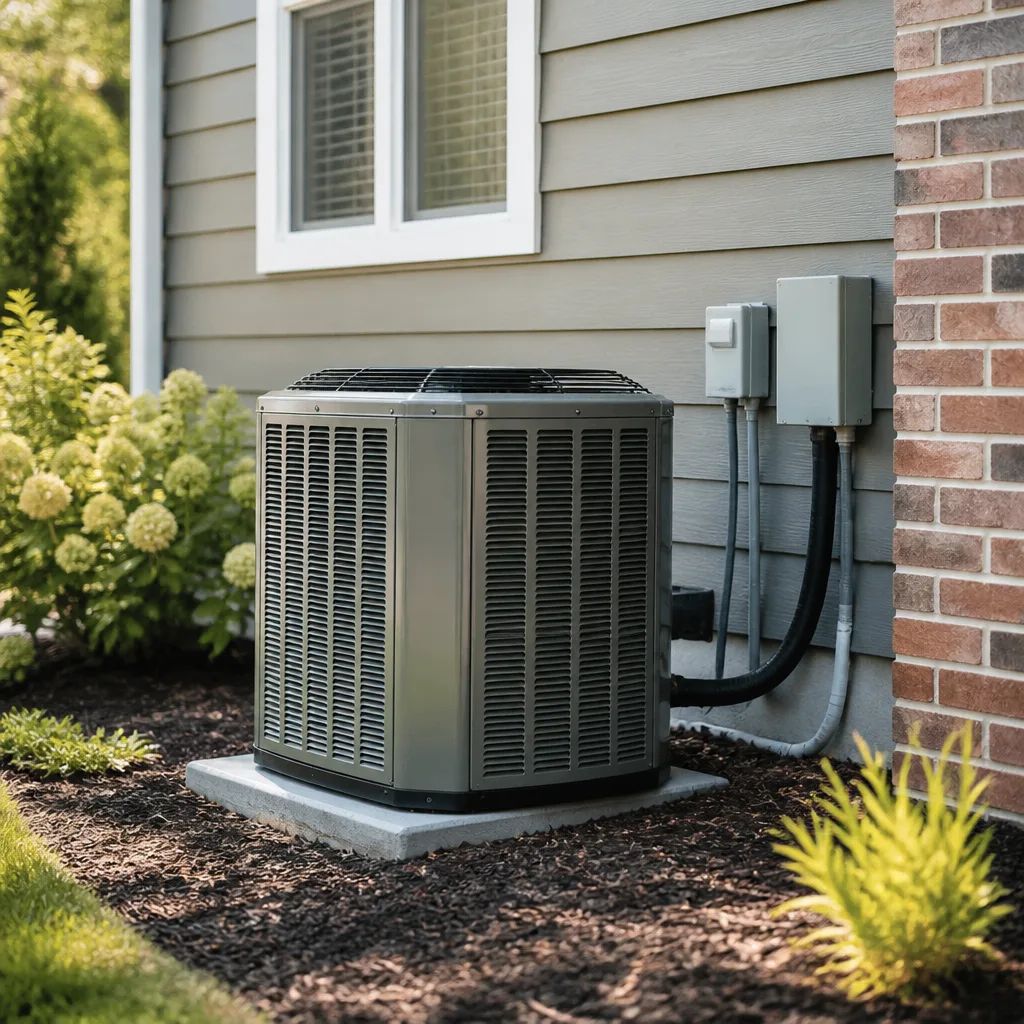 Trane
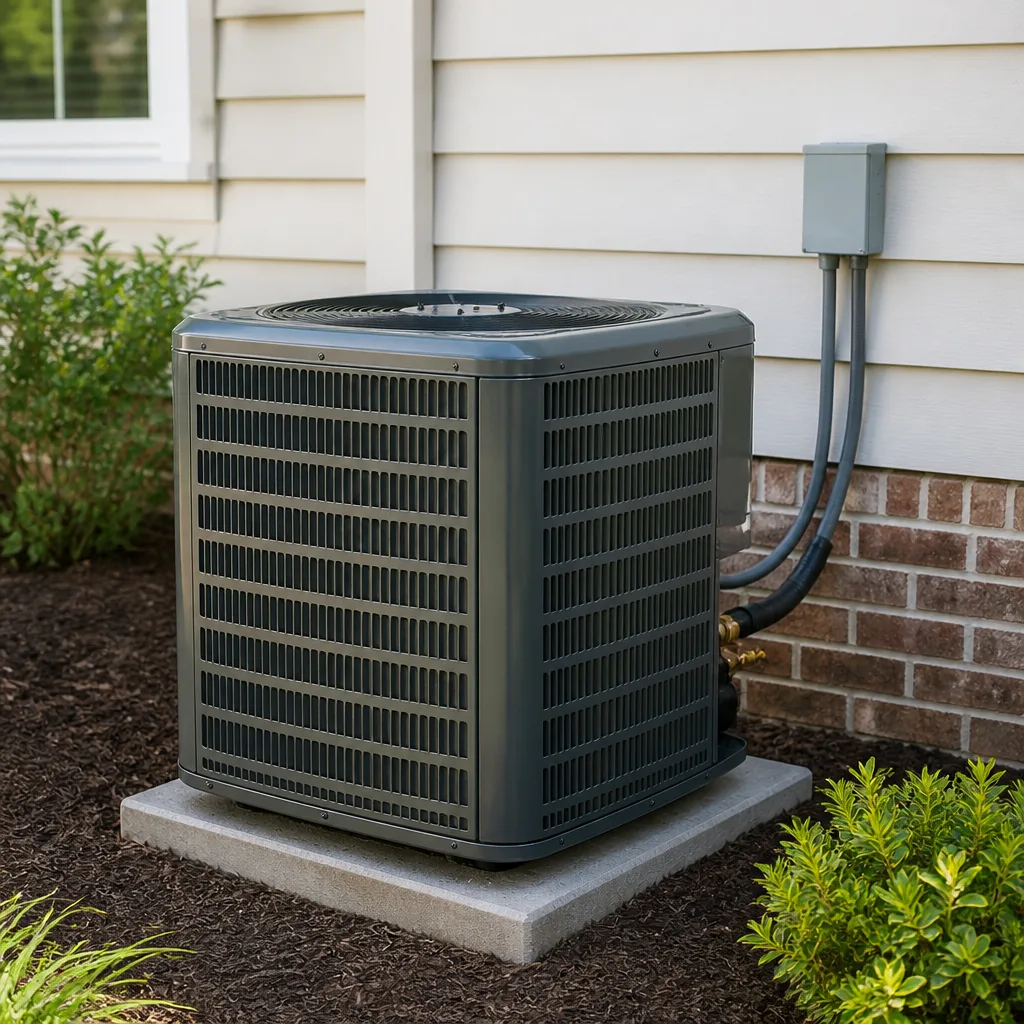 Goodman
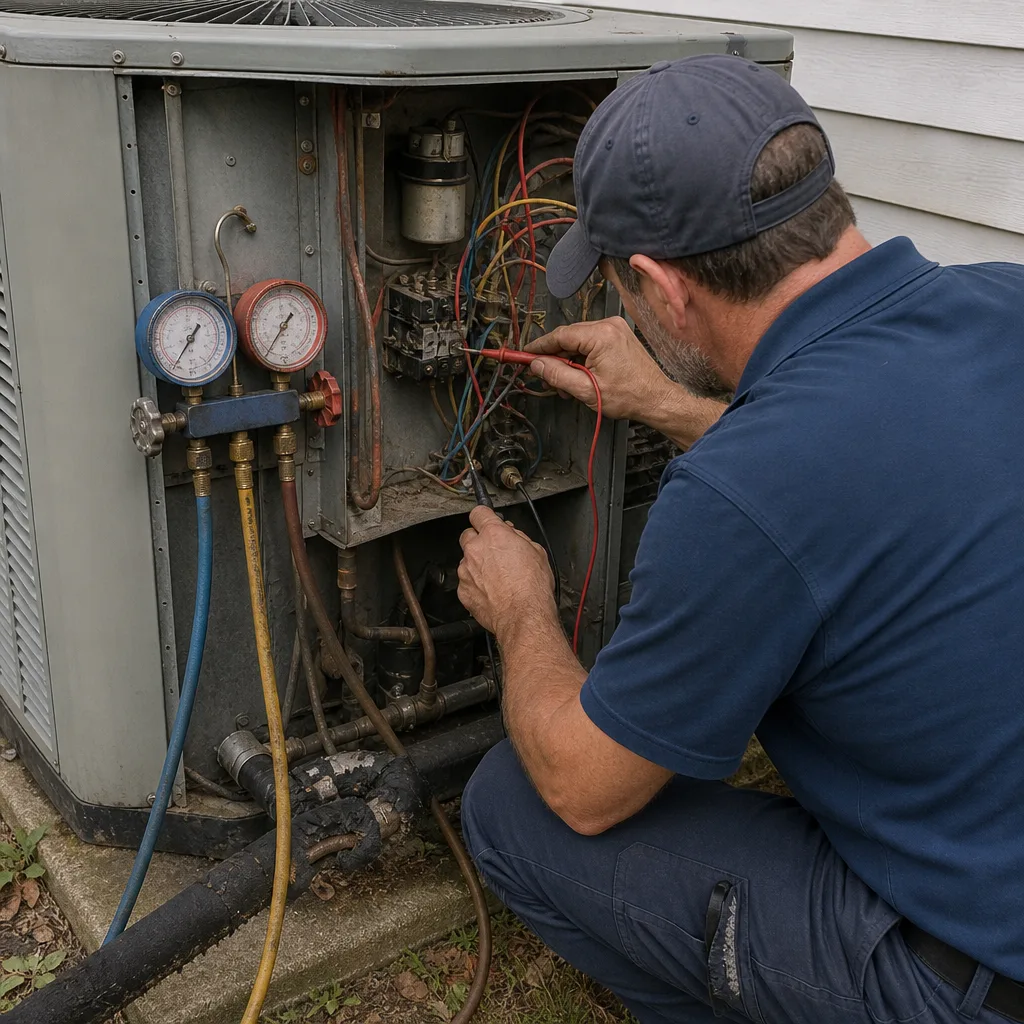
Seasonal tune-up and full diagnostic on your Carrier, Trane, or Goodman system - readings shown to you before any repair is proposed
Diagnosis first, numbers second - you approve the repair price before a single part goes in.
Get your free estimateSeasonal HVAC Care for Palm Coast: Year-Round Homeowner’s Guide
Most homeowners assume their air conditioner will fail in July or August, at the height of the summer heat. In our experience across Palm Coast, the busiest month for cooling failures is actually June. Not because summer begins, but because April and May passed without anyone checking the system, and small problems had weeks to grow. This guide maps HVAC care to the real Palm Coast climate rhythm: two intense seasons, two transitional ones, and the specific tasks that belong in each. You’ll get a month-by-month calendar, a clear answer on what hurricane prep actually means for HVAC equipment, and a free tool for spotting equipment decline before the heat does.
Styles & brands we work with
- AC repair
- Furnace & heating
- Heat pumps
- Ductless mini splits
- Carrier
- Trane
- Goodman
Quick Answer
Seasonal HVAC care in Palm Coast follows four phases: pre-summer prep in April and May, peak cooling season from June through September, a high-value shoulder season in October and November, and a brief heating window from December through February. The most important and most skipped window is October and November, when a full inspection catches cooling-season wear before it turns into a spring failure. Year-round care here is about cooling dominance, not the even four-season schedule northern guides describe.
Table of Contents
- Why Palm Coast Doesn’t Have Four HVAC Seasons
- Phase 1: Pre-Summer Prep (April-May)
- Phase 2: Peak Cooling Season (June-September)
- Phase 3: The Shoulder Season (October-November)
- Phase 4: The Brief Heating Window (December-February)
- What Hurricane Season HVAC Prep Actually Means
- Intracoastal vs. Inland: Two Different Maintenance Realities
- How Your Utility Bill Becomes a Free Early-Warning System
- Common Mistakes to Avoid
- When to Call a Professional
- Frequently Asked Questions
- The Bottom Line
Why Palm Coast Doesn’t Have Four HVAC Seasons
Palm Coast has four seasons on the calendar and about two and a half in practice. Cooling season runs long, from roughly April into October. The heating window is short and mostly mild, with a handful of genuinely cold nights each winter. The in-between weeks in spring and fall are the ones that determine how well your system handles the extremes.
Homeowners who move here from northern states often bring a maintenance schedule that doesn’t fit. A northern schedule pairs “get the AC ready” with “get the furnace ready” in the same weeks and treats spring and fall as light-touch months. Here, cooling is the dominant load, and the shoulder months are where the real opportunity sits. A system that carried a heavy cooling load through August has accumulated wear, dust, and strain by the time October arrives. That’s the moment to look at it, not in June when it’s already struggling.
This guide organizes care into four phases. Each one builds on what the system just went through and prepares it for what’s next.
- Phase 1, pre-summer prep (April-May): catch problems before the heat.
- Phase 2, peak cooling (June-September): monitor and protect, keep the system breathing.
- Phase 3, shoulder season (October-November): the highest-value inspection window of the year.
- Phase 4, heating window (December-February): brief, focused care for the furnace side.
Phase 1: Pre-Summer Prep (April-May)
April and May are the weeks most homeowners skip, and the reason June is the most common month for AC failures in Palm Coast. This is the window where problems are cheapest to fix and easiest to find. A refrigerant charge that’s slightly low in May becomes a frozen coil in July. A dirty condenser coil that’s manageable in April becomes a compressor working overtime by August.
Here’s what a solid pre-summer prep looks like:
- Replace the air filter before the system starts working hard. A clogged filter strains the system and cuts airflow.
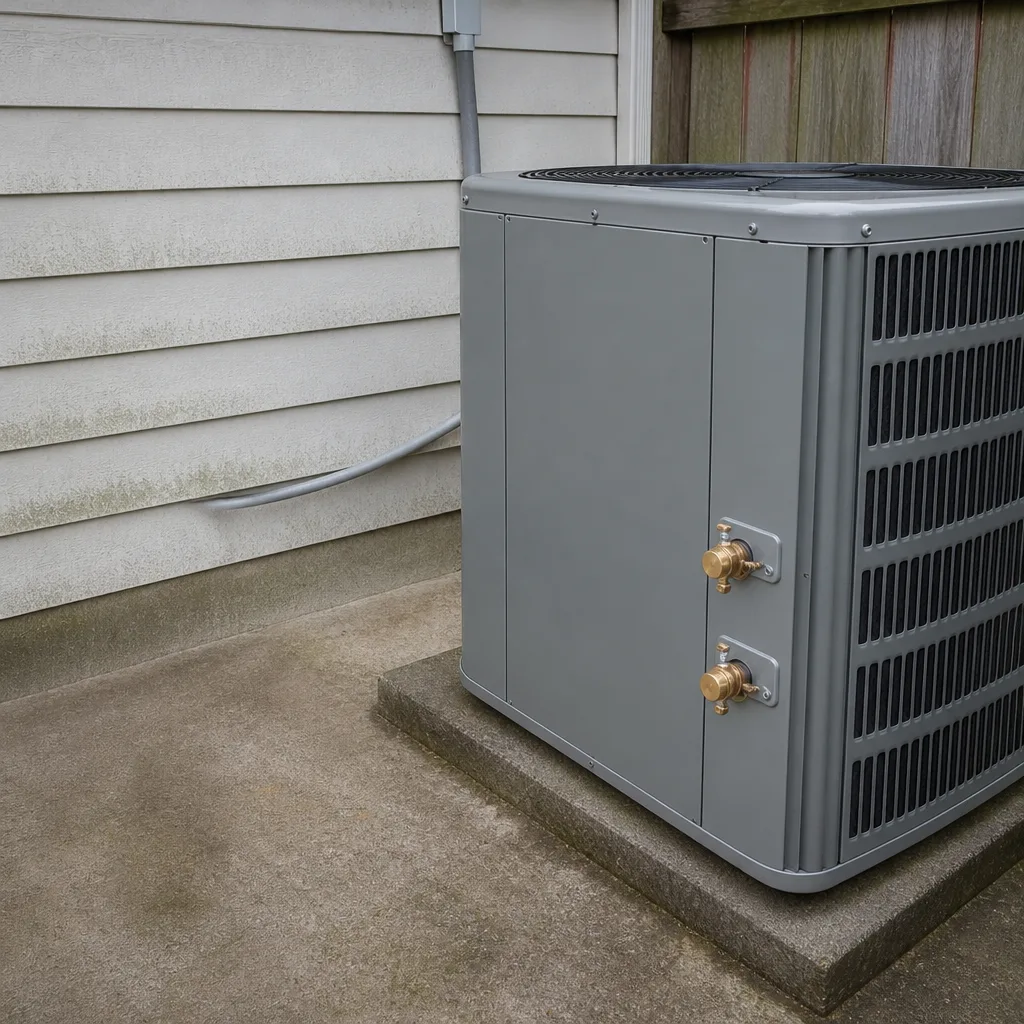
- Clear the outdoor unit of debris. Leaves, grass clippings, and vegetation pressed against the condenser cut its ability to shed heat.
- Check the condensate drain line. In a humid climate this line clogs often, and a stopped drain can cause water damage or trip a safety switch.
- Look at the outdoor unit’s electrical disconnect and breaker. A spring storm can trip things you won’t notice until summer.
- Test-run the system on a warm afternoon. Run it once before you need it, and listen. Unusual noise or a weak cooling response is worth a look now rather than in July.
- Book a professional tune-up. A technician can check refrigerant charge, electrical connections, and capacitor condition, which you can’t safely assess yourself.
The point of pre-summer prep isn’t to do everything yourself. It’s to remove the obvious obstacles and to schedule the professional work while it’s still optional. If the cooling side needs more than a tune-up, our team handles AC installation and can walk through the honest repair-or-replace answer. If you already know you need someone, Palm Coast homeowners can call us directly.
Phase 2: Peak Cooling Season (June-September)
During peak cooling, the goal shifts from prep to protection. Your system is running long hours, pulling humidity out of the air, and fighting the hottest conditions of the year. Most of what you can do is monitoring and light upkeep.
The single biggest task is the air filter. During peak season it loads up faster than at any other time of year. Check it every month and replace it when it’s visibly dirty. Beyond that:
- Keep the outdoor unit shaded and clear, but not boxed in. Vegetation can grow quickly in summer, so trim it back regularly.
- Watch for ice on the indoor coil or the refrigerant lines. Ice means low refrigerant or restricted airflow. Turn the system off and call a professional rather than repeatedly clearing the ice.
- Listen for new sounds. A banging, screeching, or grinding noise is a mechanical warning. These get worse under a heavy load, not better.
- Watch the condensate drain. In peak humidity the indoor coil produces more water than at any other point in the year. If you see standing water near the air handler, act on it.
If the system stops cooling entirely on a hot afternoon, that’s a same-day problem for most households, especially with children, older adults, or anyone with medical concerns. Fast dispatch from 7am to 7pm, Sunday through Friday, is how we handle it. If the breakdown is severe, we’ll tell you the honest repair-or-replace answer, not default to the highest-ticket option. Our technicians are experienced across Daikin, Carrier, and other major brands, so most systems get the specific attention they need.
Phase 3: The Shoulder Season (October-November)
October and November are the highest-value maintenance investment of your year, and the most skipped. This is the window when your cooling system comes off the hardest work of the season and stands still for a few weeks. That pause is the best time to find what the summer did to it.
Here’s why this window beats any other. The system has just finished its heaviest load. Wear from the cooling season is fresh and visible. A technician inspecting in October is looking at what actually happened over the summer, not guessing. And if anything needs a repair, you’ve got time to handle it before the spring rush, when everyone else is booking at once. A problem found in October is a job you control. A problem found in June is a crisis.
What a shoulder-season inspection typically covers:
- Refrigerant charge and pressure check. Wear over the cooling season can shift charge levels.
- Electrical connection inspection. Loose connections are a common failure point after a heavy season.
- Condensate drain cleaning. Clear it before winter and before the next season.
- Coil cleaning. A dirty evaporator or condenser coil degrades performance quietly.
- Furnace or heat check. Test the heating side before the brief winter window arrives.
If the cooling side has struggled for several summers running, this is also the moment to have the replacement conversation without pressure. Our menu includes repair and full replacement, so you’ll get a straight answer rather than a nudge toward the bigger ticket. If you want to talk it through, you can call us and we’ll help you decide what makes sense for your home.
Phase 4: The Brief Heating Window (December-February)
Palm Coast winters are mild, and that’s exactly why the heating side is so easy to ignore. Most homes here run the furnace or heat pump only a handful of nights each winter, and a system that sits idle for nine months can pick up its own problems: a pilot that won’t stay lit, a heat exchanger with a condition nobody’s noticed, a blower that seized from disuse. A failed furnace in a mild climate is still a real problem on a cold night.
The heating window is short, so the care is focused:
- Test the heat early, before the first cold night. Run the heat on a cool evening in late November or early December and confirm it fires. A problem found then is a scheduled repair, not an emergency.
- Replace the filter again. The filter serves both sides of a combined system. A dirty one restricts airflow to the furnace too.
- Check for unusual smells on first start. Some dust burn-off is normal on the first fire-up of the season. A persistent or strong smell warrants a professional check.
- Keep the outdoor unit clear through winter. The condenser handles the outdoor side of a heat pump year-round.
A gas furnace has safety components that deserve professional attention. The heat exchanger, the gas connections, and the venting are not things to inspect casually, and a carbon monoxide concern is a real risk. If you ever smell gas, call your gas utility immediately. For your routine furnace checks, our furnace repair team handles the heating side. We cover heating and cooling with one company, so you won’t be handed off when the season flips.
What Hurricane Season HVAC Prep Actually Means
“Hurricane season HVAC prep” gets thrown around a lot, but it’s a specific set of steps, not a vague idea. Storm season runs roughly June through November in Florida, overlapping most of your cooling season. Preparing your HVAC equipment for it comes down to three things: power protection, securing the outdoor unit, and knowing what to check after a storm passes.
1. Power protection. A power surge from a storm or a grid event can damage the sensitive electronics in a modern system. Surge protection is worth discussing with a professional. In our experience, homeowners with a whole-home surge protector or a dedicated HVAC surge device are less likely to face an electrical failure after a storm. Never work on your own electrical panel or system wiring. That’s a job for a trained professional.
2. Securing the outdoor unit. Before a storm, clear the area around the condenser and remove anything that could become projectile debris. If you’re facing a major storm and your installer recommends strapping or anchoring, follow that. After the storm, check that the outdoor unit isn’t leaning, clogged with debris, or physically damaged.
3. Post-storm inspection protocol. Run through this after the storm clears:
- Don’t power the system on if there’s visible damage or water intrusion. Call a professional first.
- Clear debris from around the outdoor unit. Leaves, limbs, and yard debris that pile up against the condenser block airflow.
- Check the indoor unit for water. A roof leak or window intrusion can reach the air handler.
- Look for tripped breakers. A tripped breaker after a storm may mean a surge event. Don’t just reset it repeatedly without checking.
- Run the system and observe. Watch for unusual sounds, smells, or a lack of cooling. If something feels off, have it inspected.
Storm prep is one of the areas where a little prevention goes a long way, and where professional advice on surge protection and securing the unit is worth having.
Intracoastal vs. Inland: Two Different Maintenance Realities
Palm Coast isn’t one climate. Homes near the Intracoastal Waterway and the salt exposure that comes with the water’s edge face different equipment conditions than homes deeper into the inland subdivisions. The difference shows up in corrosion and in the condition of the outdoor unit’s coil and metal components.
Homes near the Intracoastal tend to see faster corrosion on the outdoor condenser coil, the cabinet, and the electrical connections. Salt exposure accelerates the oxidation that degrades metal over time. For those homes, the routine is tighter: wash down the outdoor unit periodically (with the power off at the disconnect, which is safer done by a technician during a service visit), check the coil and cabinet for early corrosion, and keep to a reliable inspection schedule so small issues don’t quietly become structural ones on the equipment.
Homes in inland Palm Coast subdivisions face less salt exposure but may see more dust and yard debris, especially where landscaping or new construction is nearby. The condenser coil loads up faster with dust in some inland areas, and that means filter and coil checks matter just as much, just for a different reason.
Both cases point the same direction: know where you live and adjust. Our technicians work across Palm Coast and can tell you what your specific area tends to need. If you’re not sure which category your home falls into, that’s part of what a service visit covers.
How Your Utility Bill Becomes a Free Early-Warning System
You don’t need a piece of equipment to spot an HVAC problem early. Your monthly electric bill can be a free early-warning system if you read it against last year’s bills instead of in isolation. A system that’s slowly losing efficiency often hints at it through a bill that creeps up while usage stays the same.
Here’s how to use the tool:
- Keep the previous year’s bills. The right comparison is the same month last year, not last month. Seasonal swings make month-to-month comparisons misleading.
- Watch for a trend, not a spike. One hot month that costs more is normal. Three months in a row of climbing cost on similar usage is a signal.
- Check the usage, not just the dollar amount. A rate change can raise the bill without any equipment problem. If usage is climbing on similar weather, that’s more telling.
- Act on a consistent rise. A gradual year-over-year climb in summer usage often points to declining efficiency from a dirty coil, low refrigerant, or a failing component. That’s a good reason to get the system inspected.
In our experience, customers who track this simple comparison catch equipment issues earlier and spend less on emergency repairs. A bill that’s been climbing for two summers is a quiet warning. A bill that’s climbed for three is a prompt to call.
Common Mistakes to Avoid
- Treating fall as a free month. October and November are the highest-value inspection window of the year in Palm Coast, and most homeowners skip them entirely. That’s why June becomes the failure month.
- Letting a dirty filter run. Filter neglect is one of the most common causes of airflow problems and reduced efficiency. It’s cheap to prevent and expensive to ignore.
- Clearing coil ice by hand. Ice on the coil means a refrigerant or airflow problem. Repeatedly clearing it just delays the real repair.
- Running the heat for the first time on the coldest night. Test the heating side in late November, when a problem is a scheduled repair, not an emergency.
- Ignoring an outdoor unit that’s leaning or damaged. After a storm, a leaning or damaged condenser deserves a professional look. Don’t run it and hope.
- Using a generalist for HVAC work. A plumber-electrician-handyman operation may not carry the range of knowledge a brand-specific issue needs. A narrow HVAC focus means the technician knows the equipment cold.
- Replacing a system before getting a straight diagnosis. Some problems that look like end-of-life are repairable. Get an honest repair-or-replace answer before you commit to the larger cost.
When to Call a Professional
Some tasks belong on your own list, and some don’t. Call a professional when you see ice on the indoor coil or refrigerant lines, smell gas, see water pooling near the air handler, hear new mechanical noise from the system, or face a system that’s stopped cooling entirely in the heat. Call us when your utility bill has been climbing for more than two seasons with no clear cause. Call us when it’s time for the October inspection, and call us if you’re weighing repair against replacement and want a straight answer. Some jobs are unsafe to handle yourself, particularly anything involving refrigerant, gas lines, or the electrical panel. Sycamore AC Repair offers free estimates in Palm Coast, call (855) 360-7379. We answer 24/7. Fast dispatch, 7am-7pm, Sunday through Friday.
Frequently Asked Questions
The best time for a full inspection is October and November. That’s when a system has just come off its heaviest cooling load, and when the wear from the summer is fresh and visible. A pre-summer check in April and May is also valuable, but the fall inspection is the one that catches problems before they turn into a spring failure. Call (855) 360-7379 for a free estimate and we’ll help you schedule it.
AC failures peak in June because spring prep gets skipped. Most homeowners don’t run the system hard in April and May, so small problems like a low refrigerant charge or a clogged coil go unnoticed until the heat arrives and the system is under full load. By then, a problem that was minor in May is a breakdown in June. Call us if your system hasn’t been checked this spring, and we’ll get you set up.
Hurricane prep for HVAC equipment comes down to three things: power surge protection for the sensitive electronics, securing the outdoor unit and clearing anything that could become debris, and a post-storm inspection before you turn the system back on. Never reset a breaker repeatedly after a storm without checking. If you’re unsure whether your setup is protected, call (855) 360-7379. Free estimates give you a clear picture.
The honest answer depends on the system’s age, the repair cost relative to a replacement, and how the system has performed overall. Some problems are a straightforward repair, and some systems have reached the point where replacement is the better investment. We don’t default to the highest-ticket option. Our team will diagnose first and give you a clear recommendation. Call (855) 360-7379 and we’ll walk through it with you.
Yes. Homes near the Intracoastal Waterway face faster corrosion on the outdoor condenser coil, cabinet, and electrical connections because of salt exposure. That means more frequent checks on the coil and metal components, and cleaning the outdoor unit more regularly. Inland homes tend to see more dust and debris on the coil instead. Call (855) 360-7379 and we’ll tell you what your area typically needs.
Check your air filter every month during peak cooling season in Palm Coast. In the summer heat and humidity, the filter loads up faster than at any other point in the year, and a clogged filter restricts airflow and strains the system. Replace it when it’s visibly dirty. If you’re not sure your filter schedule is working, a service visit can confirm your airflow is healthy.
You can, but test it first on a cool evening in late November rather than on the coldest night of the year. A system that’s sat idle for months can pick up its own problems, like a pilot that won’t stay lit or a blower that’s seized. Testing early gives you time to handle any repair without pressure. If the heat won’t fire, call (855) 360-7379 and we’ll take a look.
We’re closed Saturday. We’re open Sunday through Friday, 7am to 7pm. If you need to book an inspection or a repair, call (855) 360-7379 during those days and we’ll find you a time.
The Bottom Line
Palm Coast HVAC care isn’t a northern template copied onto a Florida address. It’s four phases shaped by a long cooling season and a short heating window. The one that matters most, and the one most people skip, is October and November, when the summer’s wear is fresh and a repair is still a decision rather than an emergency. Keep the filter clean, test the heat early, protect the outdoor unit through storm season, and watch your utility bill as a free warning system. If anything looks off, get an experienced set of eyes on it. Sycamore AC Repair covers AC installation, furnace repair, and furnace replacement, all with one team. Call (855) 360-7379 for a free estimate. We answer 24/7. Fast dispatch from 7am to 7pm, Sunday through Friday.
Written by the team at Sycamore AC Repair.
See the difference
 Before
 After
 Before
 After
 Before
 After