
Last updated November 16, 2026
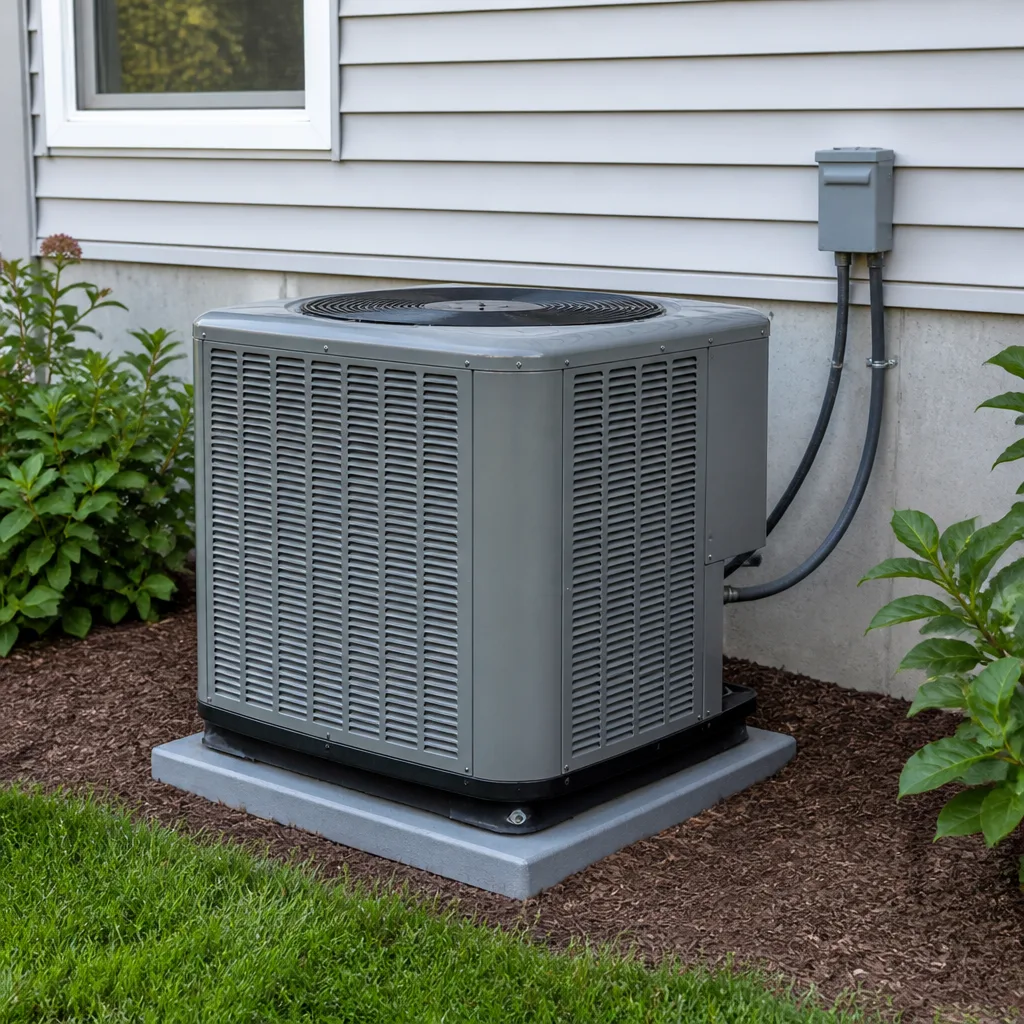 AC repair
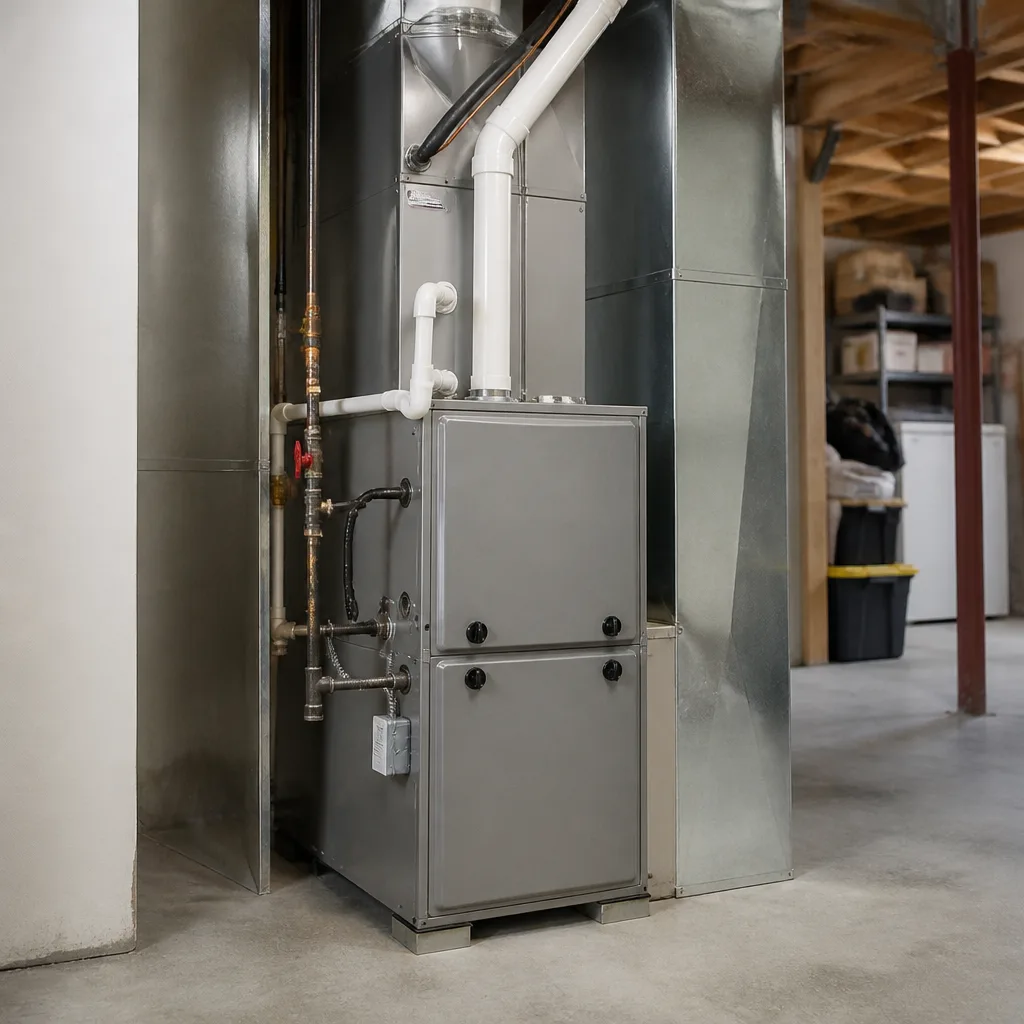 Furnace & heating
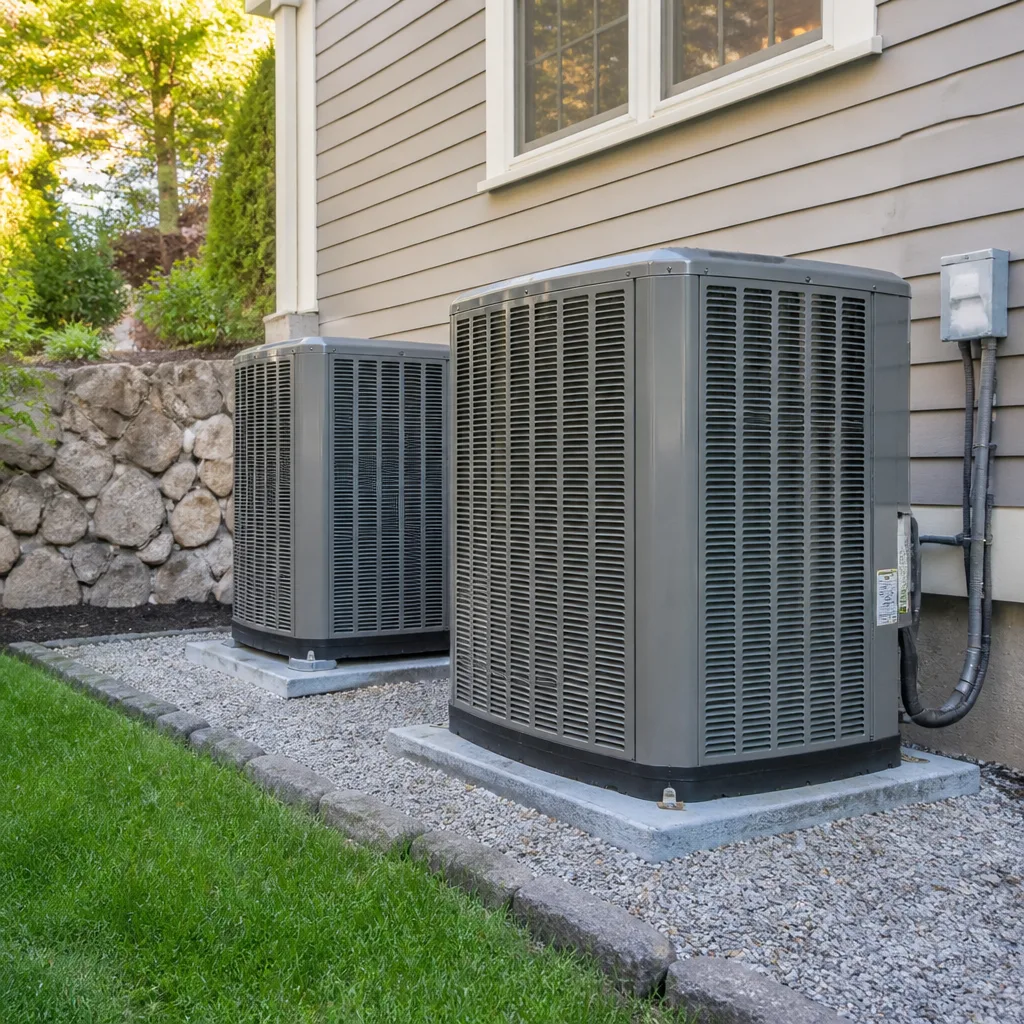 Heat pumps
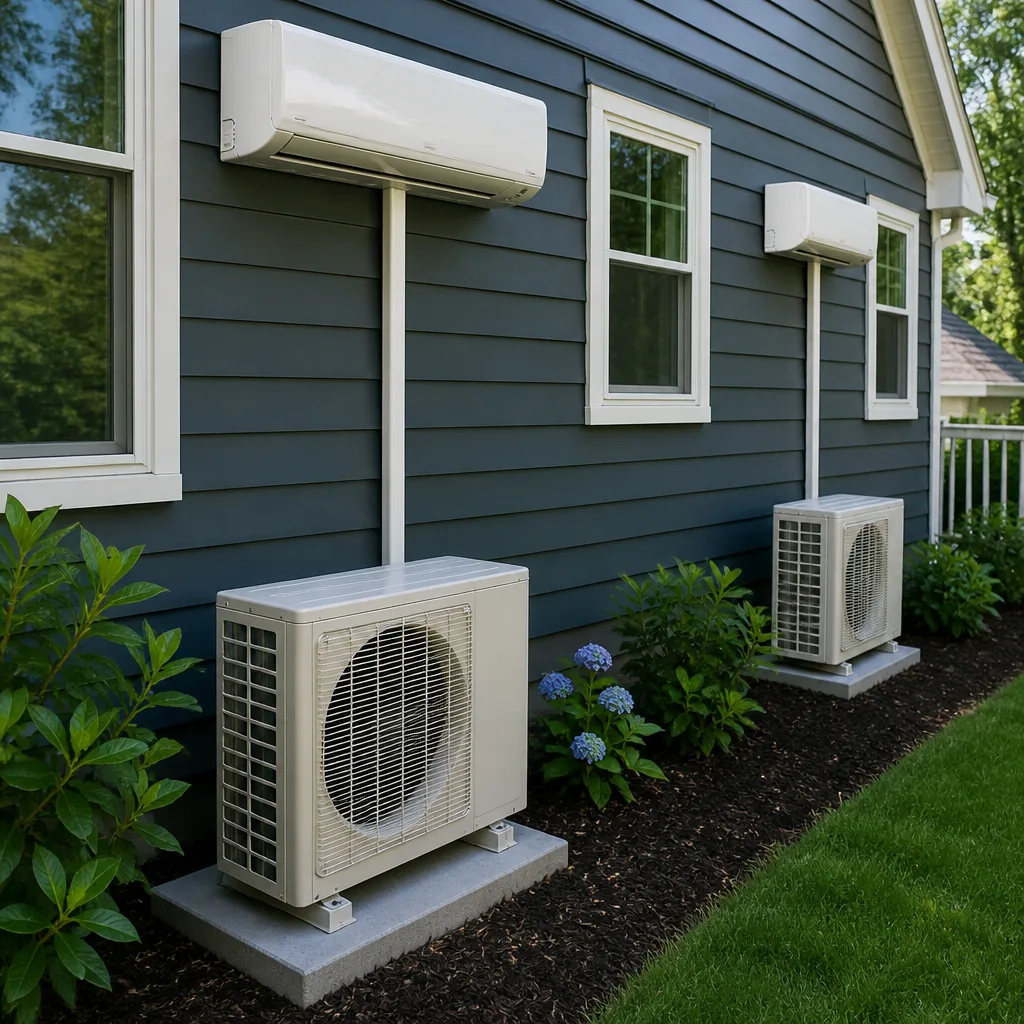 Ductless mini splits
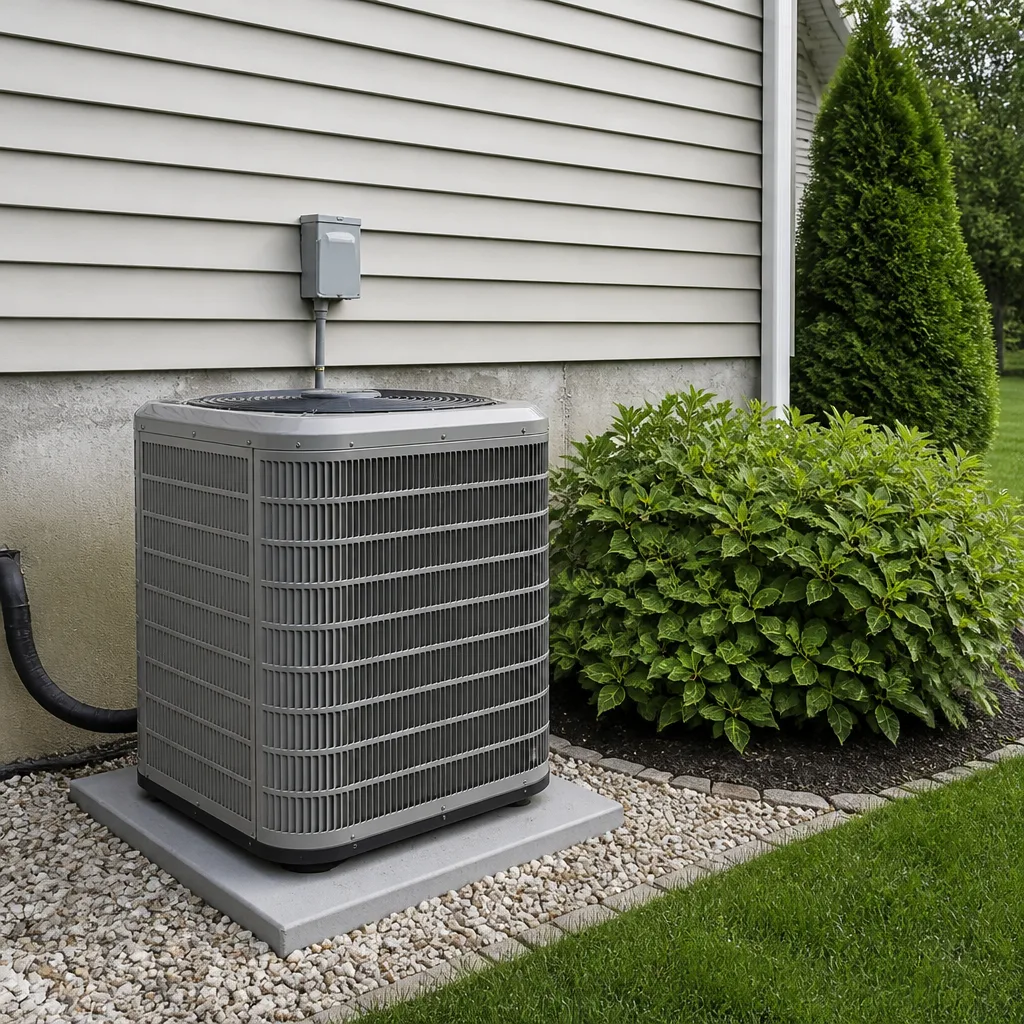 Carrier
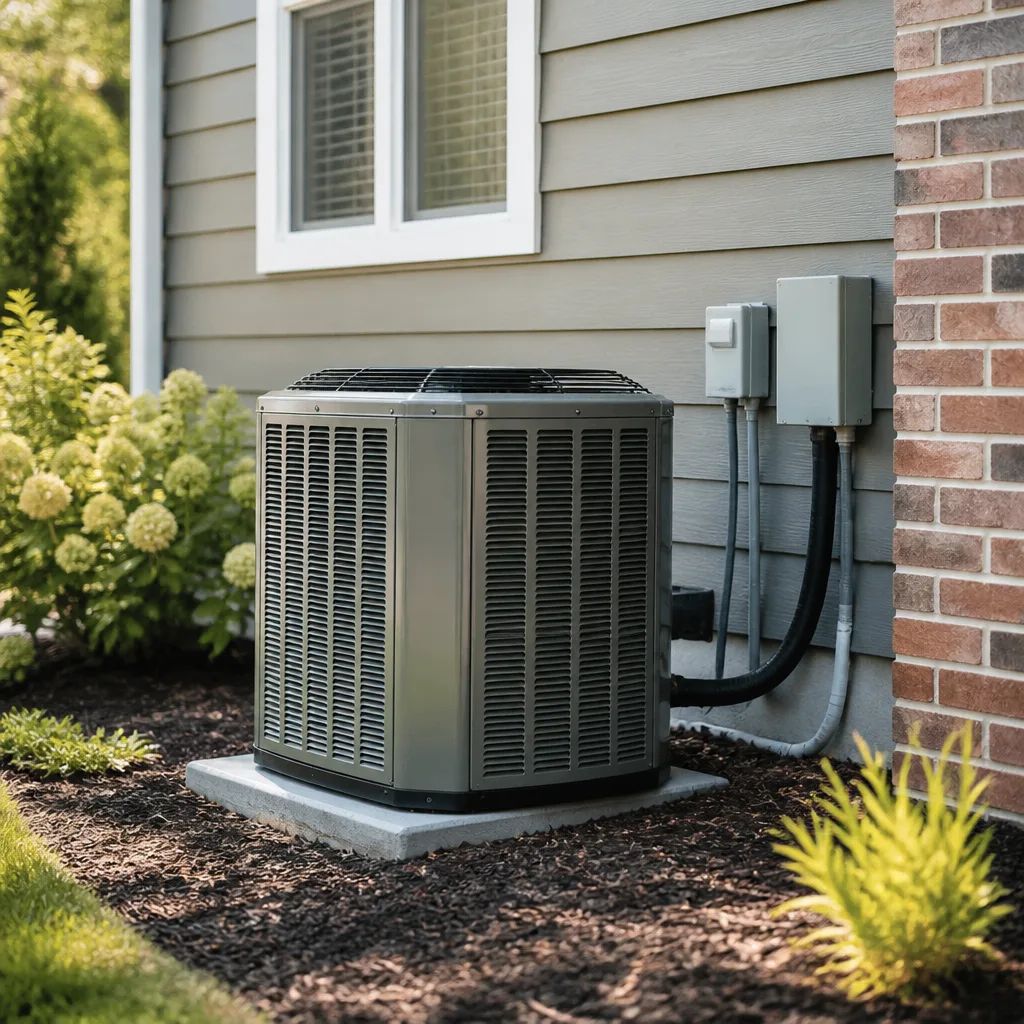 Trane
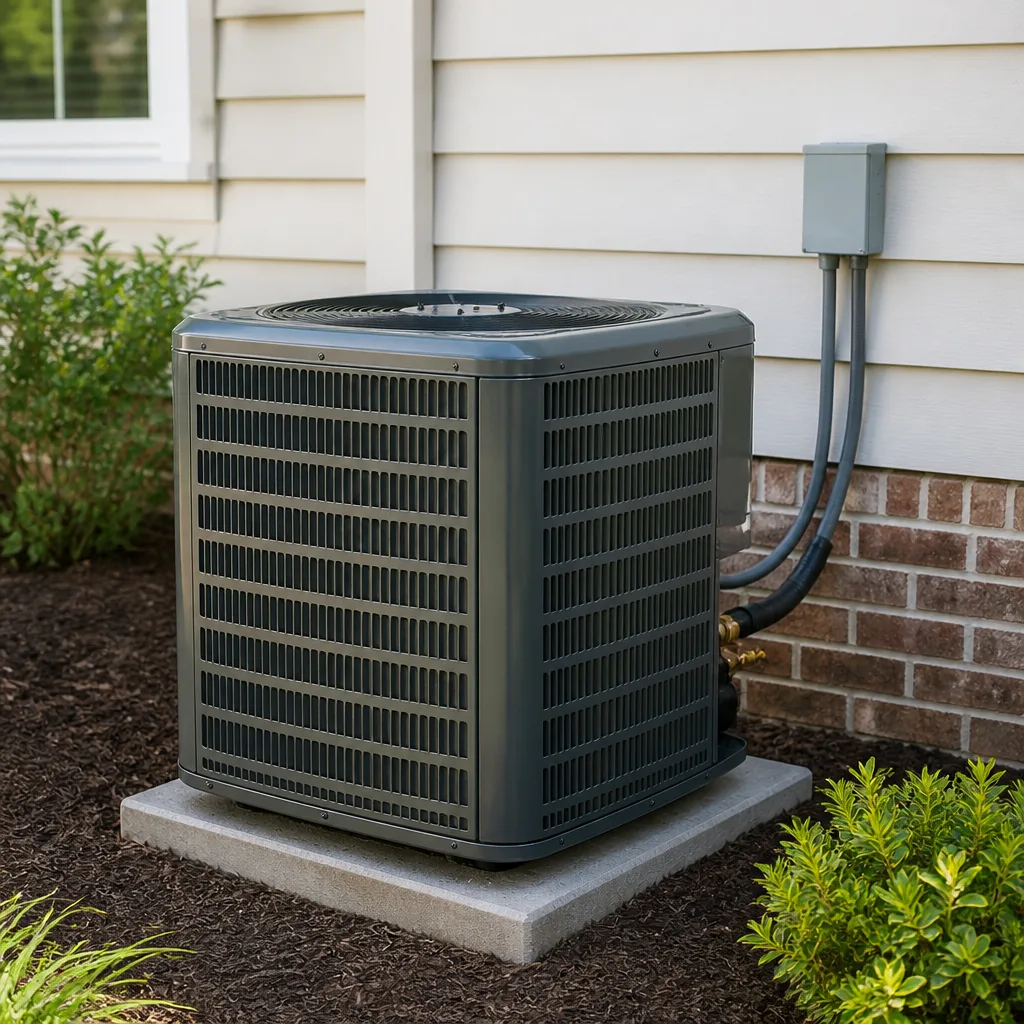 Goodman
Seasonal tune-up and full diagnostic on your Carrier, Trane, or Goodman system - readings shown to you before any repair is proposed
Diagnosis first, numbers second - you approve the repair price before a single part goes in.
Get your free estimateHVAC Warning Signs: A Palm Coast Homeowner’s Reference Guide
Most HVAC warning sign guides point you toward the obvious things: a strange clank, a room that won’t cool, a system that won’t turn on. In Palm Coast, the first sign your AC is failing often isn’t a noise or a warm room at all. It’s your indoor humidity creeping above 55% on a day your system is technically still cooling. That slow climb is easy to dismiss as a Florida thing, but it’s frequently the earliest signal that something inside the equipment has started to slip. This guide leads with the humidity and equipment-health indicators that show up before the obvious problems, then walks through the sounds, sight lines, utility bill patterns, and age-specific failure modes that tell you when to call. Thermostat, condenser, and ductwork views all get covered. Our aim is simple: give you a reference you can actually use before a small problem becomes a full replacement.
Quick Answer
The earliest and most reliable HVAC warning signs in Palm Coast are a steady rise in indoor humidity above 55%, an outdoor condenser coil that looks dull or dirty, cooling that runs longer than it used to, and utility bills that climb without a matching change in weather. Strange sounds, weak airflow, and warm rooms are real symptoms too, but they usually appear after the humidity and efficiency signals have already been flashing. Any single sign is worth a look, and two or more together usually means it’s time for a technician to inspect the system.
Styles & brands we work with
- AC repair
- Furnace & heating
- Heat pumps
- Ductless mini splits
- Carrier
- Trane
- Goodman
Table of Contents
- Humidity-First Warning Signs Most Homeowners Miss
- How to Visually Inspect Your Outdoor Condenser Coil
- Normal Sounds vs. Sounds That Mean Trouble
- Reading Your Utility Bill for Early Equipment Decline
- Warning Signs Differ by Refrigerant: Older R-22 vs. Modern R-410A and R-32
- Airflow, Filters, and Duct Signals
- Warning Signs on the Heating Side
- The Warning-Sign Checklist: When to Call
Humidity-First Warning Signs Most Homeowners Miss
Indoor relative humidity between 40% and 55% is a comfortable, healthy range for most homes. When your system is working as designed, the cooling coil removes moisture from the air as it cools, and your ducts and returns keep that air moving. When that moisture-removal function starts to fail, indoor humidity rises even though the air still feels cool enough to pass a quick check of the thermostat.
Here’s the important distinction: a humidity problem is sometimes just a comfort issue and sometimes an equipment problem. Knowing which one you’re looking at saves you money and time.
- Comfort-level humidity: A run of unusually muggy weather, a house full of people, or a lot of cooking and showering can push indoor humidity up temporarily. If it drops back on its own within a day, your equipment is probably fine.
- Equipment-level humidity: Indoor humidity that stays above 55% for several days while the AC runs, or that keeps climbing over weeks, usually points to a real problem: a dirty evaporator coil, an undercharged refrigerant circuit, a blower running below speed, a return duct that’s leaking, or a unit that’s short-cycling and never running long enough to dehumidify.
We’ve seen this pattern again and again in Palm Coast, where warm, humid air is a constant. A system that can still bring the temperature down while humidity climbs is often in the early stages of a refrigerant or airflow problem. That’s the point where a small repair is still on the table. Leave it for months and the fix tends to be a coil, a compressor, or a full replacement.
One practical step: buy an inexpensive hygrometer and set it in a central room. Watch the reading for a week. A number that creeps up while the thermostat holds steady is your first real warning sign.
How to Visually Inspect Your Outdoor Condenser Coil
You don’t need tools to spot a condenser problem. Most coil issues are visible from the ground, and looking once a month gives you a baseline you can compare against. What you’re doing here is a visual check, not a repair: the coil fins are delicate and the electrical components are not homeowner territory.
Here’s what you can see with your own eyes:
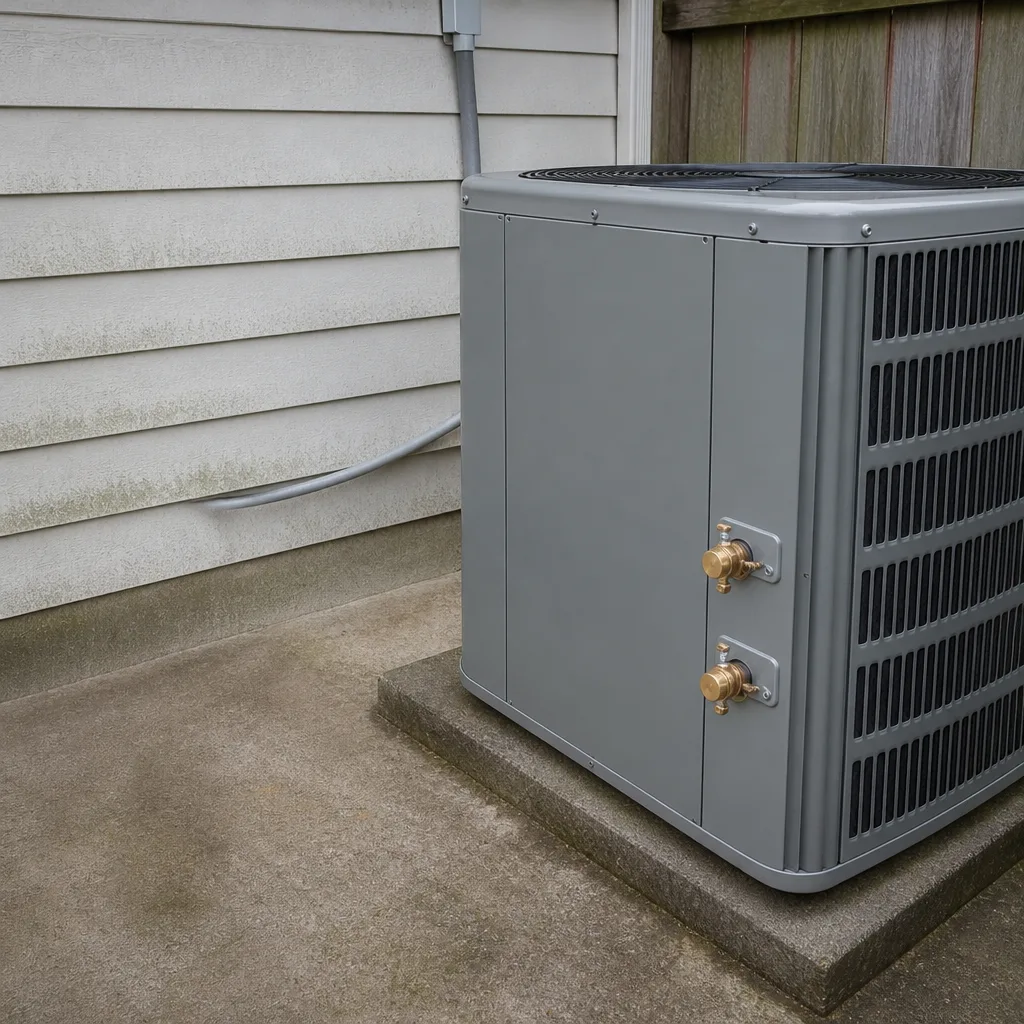
- Stand back a few feet and look through the coil grille. You should see clean, straight aluminum fins with visible gaps. Fins that look packed with fuzz, dust, or debris mean airflow is restricted and the system is working harder than it should.
- Look at the color of the fins. Bright silver is normal. Dull, gray, or dulled-looking fins suggest oxidation and packed debris rather than clean metal.
- Check the space around the unit. If plants, mulch, or stored items are crowding the sides, the coil can’t breathe. Clear at least two feet of space around the cabinet.
- Look for bent or crushed fins. Fin combs exist, but bent sections often mean an impact problem, and significant damage is best looked at by a technician.
- Look at the base and the connections. Standing water, a rusted or soft base, or a visible refrigerant line with oil residue at a joint are all reasons to call.
What you can’t see matters just as much. The inside of the coil, the refrigerant charge, the compressor windings, and the electrical components all sit behind the panel where a trained technician needs to look. If your coil looks clean from the outside but humidity and cooling problems continue inside, the issue is one of those hidden components.
Normal Sounds vs. Sounds That Mean Trouble
Air conditioners make noise. A steady hum from the outdoor unit, the rush of air at the vents, and a gentle clunk when the system cycles on and off are all normal. The question isn’t whether your system is quiet, it’s whether a new sound appeared and whether it repeats.
Normal sounds:
- A low, steady compressor hum from the outdoor unit.
- The blower fan running inside the air handler.
- A soft whoosh of air from the vents.
- A light cycle on and off with no grinding or squealing.
Sounds that need a technician:
- Hissing or a bubbling, gurgling sound near the refrigerant lines. This can indicate a refrigerant leak or a restriction. Refrigerant is a sealed, pressurized system: a trained technician handles it, not a homeowner.
- A hard metallic clank or repeated knocking from inside the outdoor unit. Compressor failure often starts with sounds like this.
- A high-pitched squeal or squeak that repeats inside. Bearings, belts on some designs, or a blower motor going bad.
- A scraping or grinding sound when the fan runs. The fan blade is contacting something or a motor bearing is failing. Turn the system off and call.
- A click-click-click that never turns into a full run. A compressor or contactor that’s trying to start and failing. This is a protected electrical component and shouldn’t be cycled repeatedly.
A new sound isn’t automatically bad news. But a sound that returns on every cycle, or that appears alongside a rising humidity reading, is a signal worth acting on. Record it on your phone if you can; it helps a technician diagnose a problem before they arrive and can save you a return visit.
Reading Your Utility Bill for Early Equipment Decline
Utility bills are the quietest warning sign in the whole guide. That’s why they’re so useful. Long before a compressor fails or a coil freezes, a struggling system runs longer to hit the same temperature, and that shows up as a bill that creeps up while the weather holds steady.
Here’s how to read the pattern properly:
- Pull the last twelve months of bills. A billing portal or a customer service call gets you the whole set. Lay them side by side.
- Ignore the two or three hottest months and the two or three coolest months. Weather dominates those. What you’re looking for is the trend in the shoulder months, when the outdoor temperature didn’t change much from one year to the next.
- Compare the same months year over year. A meaningful climb in the shoulder months, with no rate change and no change in how many people live in the home, points toward the system rather than the weather.
- Rule out the obvious before you call. A new appliance, a new baby, more people at home during the day, or a rate increase will all move the bill. Rule those out first.
If the shoulder-month trend is up, the most common culprits are a dirty condenser coil, low refrigerant charge, a blower motor running below rated speed, or a duct leak in a hot attic. Each of these makes the system work harder for the same result, and each is worth looking at before the problem turns into a failure. A clean coil and correct refrigerant charge often bring that trend back down.
Warning Signs Differ by Refrigerant: Older R-22 vs. Modern R-410A and R-32
The refrigerant inside your system changes the failure modes you need to watch for. Older equipment charged with R-22 (sometimes called Freon) is out of production in the U.S., and equipment that uses it is generally older. Newer systems use R-410A or R-32. Each group tends to show trouble in different ways.
Older R-22 systems:
- Refrigerant is no longer being manufactured for new use, so any leak becomes a serious cost decision. A system that loses charge repeatedly is usually a replacement conversation, not a repair one.
- Compressor and contactor failures are more common because the equipment has lived longer.
- Age-related corrosion on the outdoor coil shows up more in older systems.
- You may see a slow rise in utility bills that never comes back down. That’s typical of an older unit running at less-than-rated efficiency.
Modern R-410A and R-32 systems:
- Failures are more often electrical or sensor-driven: a failed capacitor, a bad contactor, a faulty pressure switch, or a control board that isn’t reading correctly.
- A blower motor running at reduced speed is a common early symptom. Airflow drops, humidity climbs, and the room feels warm before the thermostat notices.
- Leak detection matters, since a leak in a newer system is usually a repair question rather than a replacement one.
- On R-32 equipment, which operates in a similar way to R-410A, most of the same signs apply.
If you aren’t sure which refrigerant your system uses, the answer is on the data plate on the outdoor unit or the air handler. Note the model and the refrigerant listed, and you’ve given a technician useful context before the visit.
Airflow, Filters, and Duct Signals
Airflow problems sit behind a surprising number of “the AC isn’t working” calls. Weak airflow at the vents could be a blower issue, a filter issue, a duct leak, or a closed damper. Watching airflow is one of the simplest parts of this whole inspection routine.
- Hold your hand at a supply vent on a normal run. It should feel like a steady push of cool air, not a whisper. A noticeable drop from your own baseline is a sign.
- Check the filter every month during cooling season. A clogged filter chokes airflow, raises humidity, and forces the whole system to work harder. Change it on your schedule, not on the schedule the system decides for you.
- Look at the return grille. A return that’s blocked by furniture or a rug is starving the system. Free it up.
- Walk the house in the middle of the afternoon and put your hand near door frames and vents. Air leaking around a duct joint in a hot attic pulls hot, humid air into the system and cuts efficiency.
- Watch for rooms that drift warm or humid while others stay comfortable. That’s a balancing or duct issue, not a system capacity issue, in most cases.
In Palm Coast homes, attics get extremely hot during the cooling season, and duct leaks in the attic waste more energy than leaks anywhere else in the house. A technician inspecting ducts can spot the ones you can’t reach. If airflow problems keep returning after a filter change, that inspection is the next step.
Warning Signs on the Heating Side
Most of this guide covers cooling, but a full heating-and-cooling picture means the furnace side gets the same attention. Heating failures in Palm Coast are less common than cooling failures, but they still happen, and some warning signs deserve immediate attention.
- A yellow or orange flame in the burner. A healthy natural-gas flame is blue. A yellow, orange, or flickering flame can point toward incomplete combustion, and that’s a safety issue. Turn off the system and call a technician. This is not a homeowner adjustment.
- A smell of gas. A faint gas odor near the furnace means a possible leak. Get out of the house and call your gas utility first, then a technician. Don’t try to troubleshoot it yourself.
- The flame won’t stay lit, or the furnace short-cycles. A failed flame sensor, an igniter going bad, or a control board issue. Repairable in most cases.
- Strange noises from the blower compartment. The same rule as your AC: a scraping or grinding sound means turn it off and call.
- A warm furnace that blows cool air, or a furnace that won’t start at all. Usually a straightforward diagnosis. furnace repair handled by the same team that services your AC is simpler than a referral to a separate heating company.
Gas furnaces involve fuel and combustion, and the safety rules are stricter than they are for your AC. If you smell gas, that’s an emergency. If the flame looks wrong, that’s a call. Neither one is a project for a homeowner to work on.
The Warning-Sign Checklist: When to Call
This is the summary page of the guide. Save it or screenshot it. Any single item on this list is worth a phone call, and three or more together usually means you should get the system looked at soon.
- Indoor humidity stays above 55% for several days while the AC is running.
- A new or returning sound from either unit that wasn’t there before.
- Visible coil debris or dull fins on the outdoor condenser, even with the fins still intact.
- A utility bill pattern that climbs in the shoulder months with no change in the household or rates.
- Airflow at the vents noticeably weaker than it used to be, after a filter change.
- Rooms that drift warm or humid while the thermostat holds steady.
- A yellow or orange flame, a gas smell, or a furnace that won’t stay lit. Treat this as urgent.
- Water pooling near the indoor unit or on the floor below a ceiling vent.
- Ice forming on the indoor coil or the refrigerant lines. Turn off the AC and call. Ice means airflow restriction or a refrigerant issue.
For installation and full system work, our ac installation service is load-calculated and scheduled. For repairs, we can often come out the same day. Call (855) 360-7379. We answer 24/7. Fast dispatch from 7am to 7pm, Sunday through Friday.
Common Mistakes to Avoid
- Waiting for a warm room before calling. In Palm Coast, humidity rises before the temperature does. If you only watch the thermostat, you’re missing the earliest warning sign your system sends.
- Ignoring a slow bill climb. Treating a rising shoulder-month bill as “just Florida” hides the most accurate early signal you have. Compare the same months year over year and act if the trend is up.
- Running the AC with ice on the coil or lines. Ice means something upstream is wrong. Shut the system off and call. Running it longer damages the compressor.
- Swapping the filter only when you remember. A clogged filter is one of the most common causes of high humidity, warm rooms, and low airflow. A monthly check takes a minute.
- Ignoring a new sound because “it’s still cooling.” A failing compressor or blower can keep working for weeks before it stops. A sound caught early is a repair; caught late, it’s often a replacement.
- Calling a general handyman for HVAC work. Refrigerant, electrical controls, and combustion aren’t generalist territory. Use an HVAC-focused team so the diagnosis is right the first time.
- Assuming every failure means a new system. A lot of what’s on this checklist is a repair. A good technician tells you which one you’re looking at. Our repair-or-replace answer is a real choice, not a default upsell.
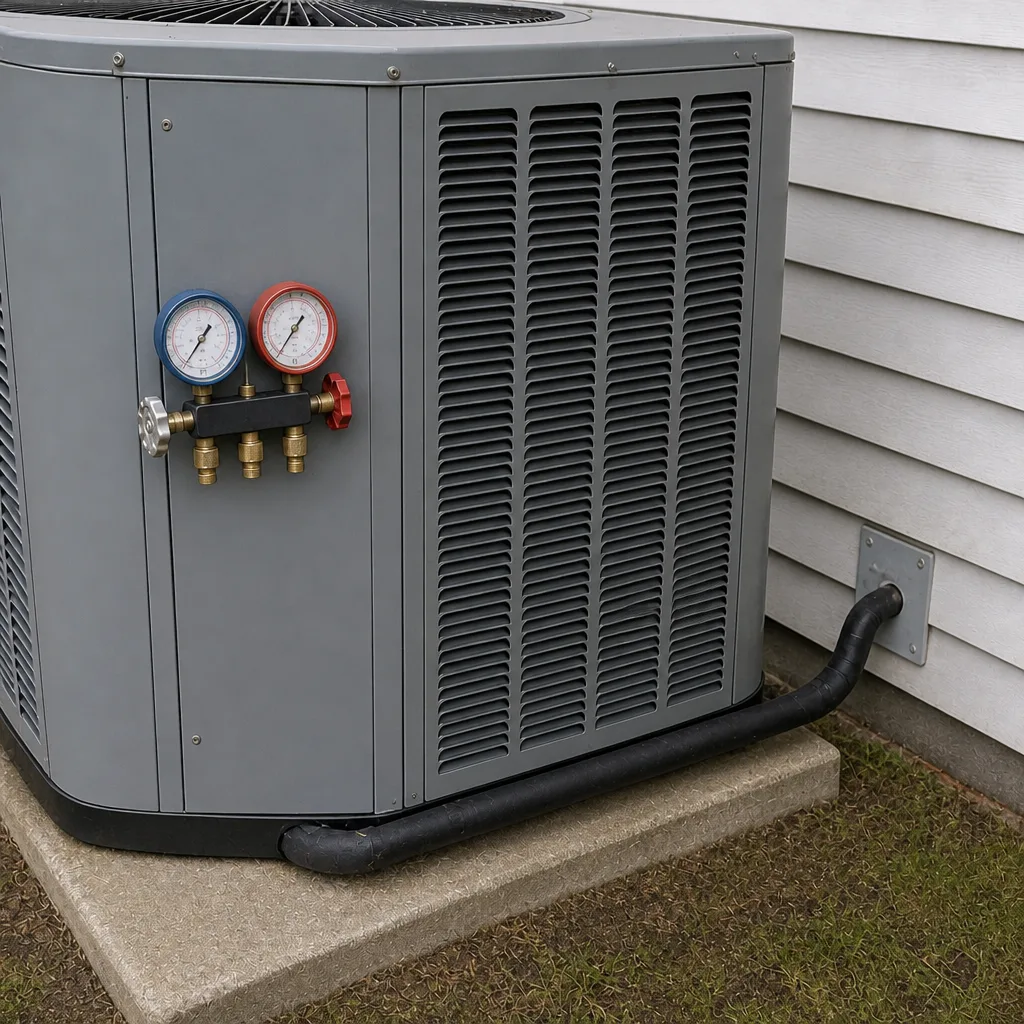
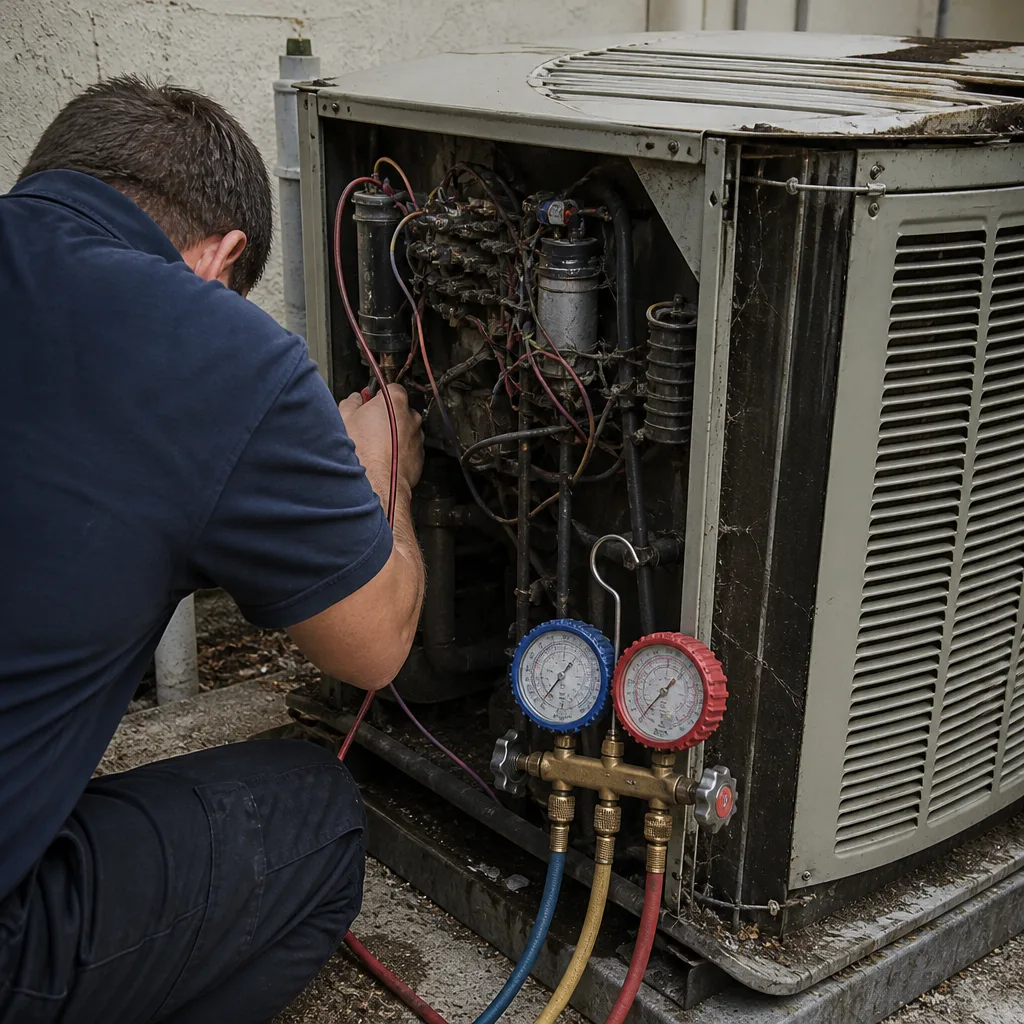
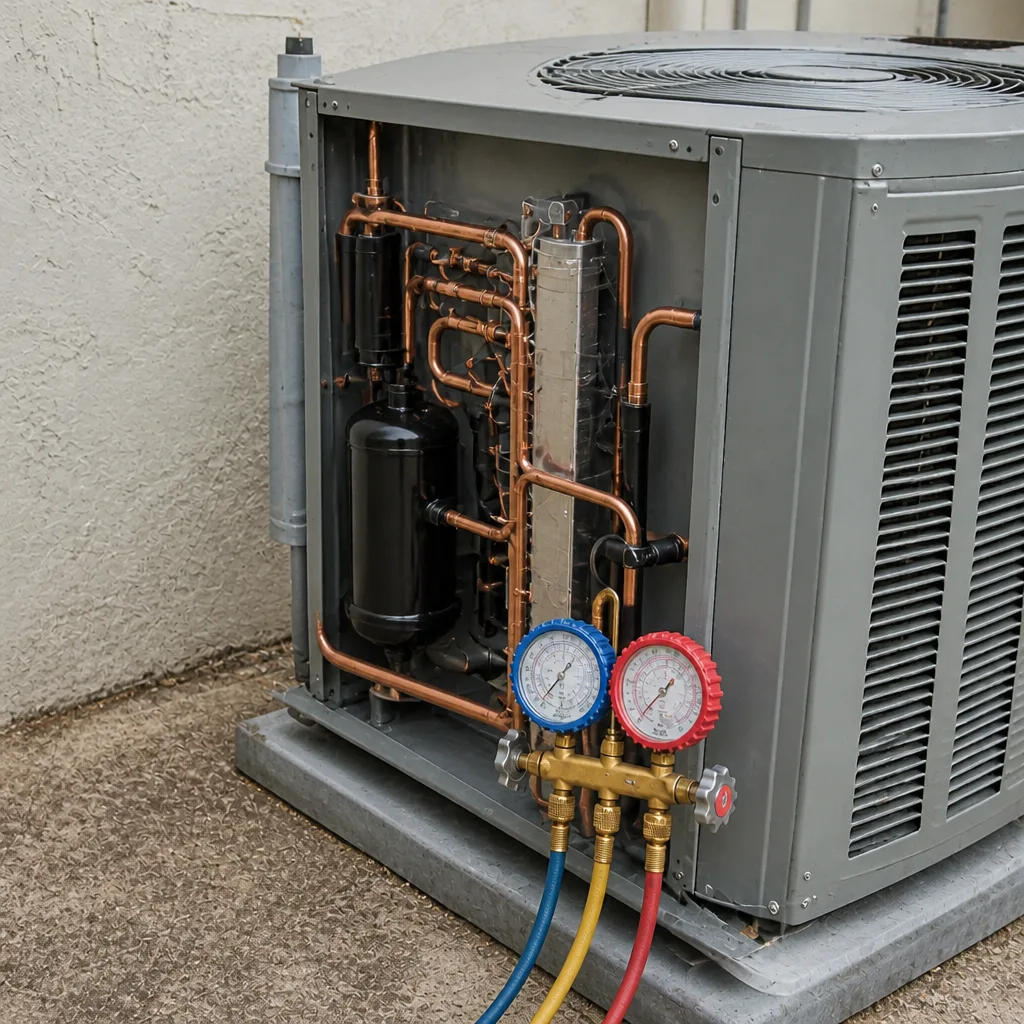
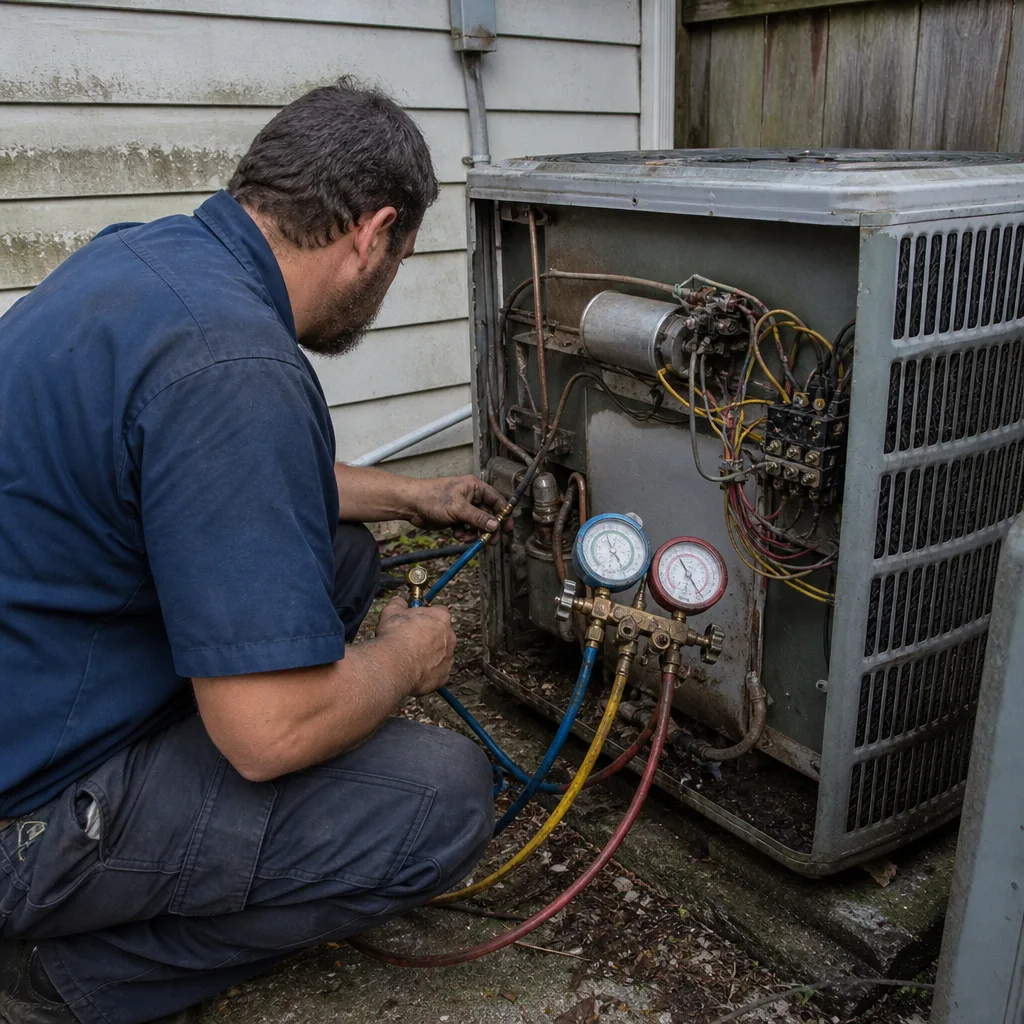
See the difference
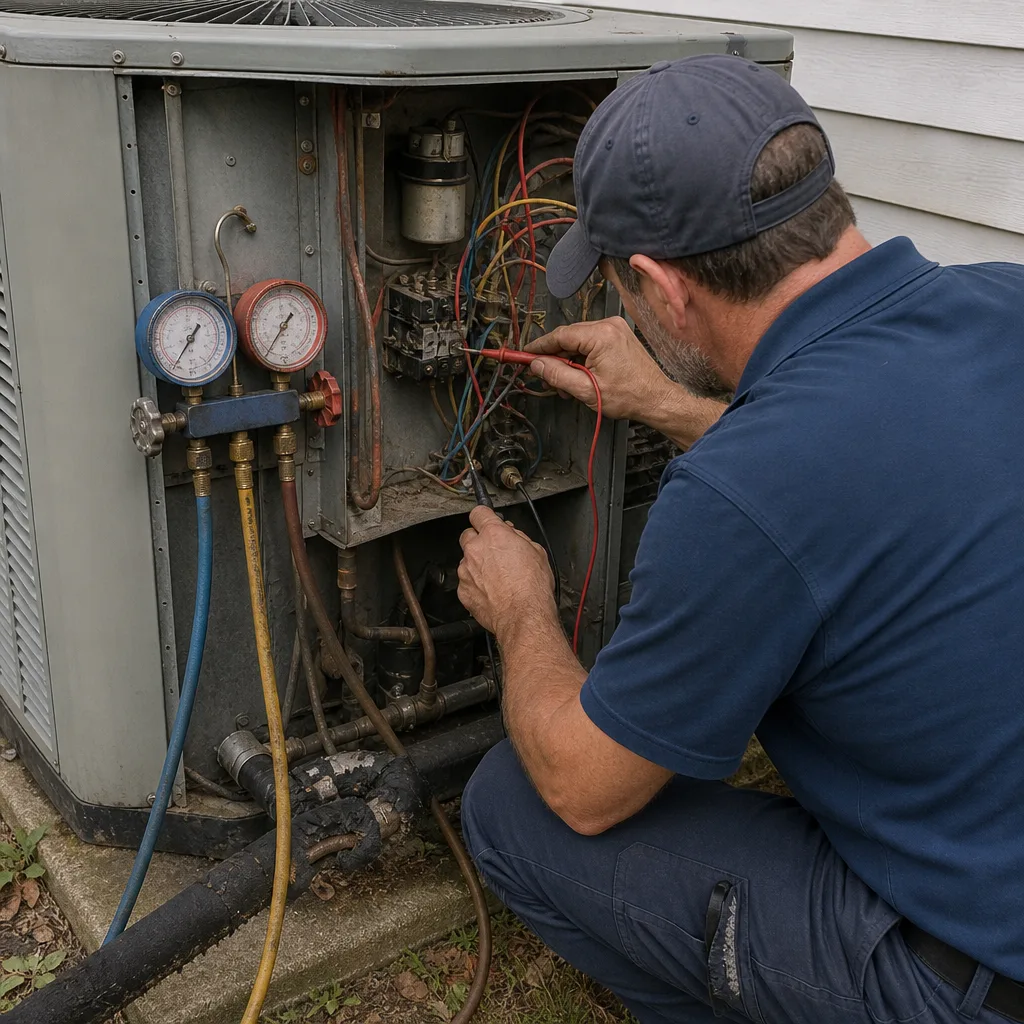 Before
 After
 Before
 After
 Before
 After
When to Call a Professional
Call a professional as soon as you see a warning sign you can’t explain. In practice, that means any sound you didn’t have last month, any reading above 55% indoor humidity that lasts more than a few days, any refrigerant line with ice on it, any yellow or orange flame on a gas furnace, or any smell of gas. Turn off the system if the symptom allows and call from a safe spot.
Also call when more than one warning sign appears at once. A single symptom can be an isolated nuisance. Two together, especially humidity plus a rising bill or a new sound plus warm rooms, usually means something in the equipment has started to fail and needs a trained eye inside the panel. Our technicians have up to 13 years of experience and work on equipment from Bryant, American Standard, Carrier, Trane, and five other major brands, so we know the failure patterns in each.
Sycamore AC Repair offers free estimates in Palm Coast. Call (855) 360-7379. We answer 24/7. Fast dispatch from 7am to 7pm, Sunday through Friday.
Frequently Asked Questions
Rising indoor humidity is often the first sign. Watch for a hygrometer reading that climbs above 55% while the AC still holds temperature, because that usually points to a refrigerant, airflow, or coil problem before it turns into a cooling failure. Call (855) 360-7379 for an exact quote – estimates are free.
It depends on the specific failure and the system’s age and refrigerant type. Most of the signs in this guide are repairable, especially when caught early, but a system that keeps losing refrigerant, or one using R-22 that’s already had multiple compressor repairs, often points toward replacement. We give a straight repair-or-replace answer on every visit. Call (855) 360-7379 for a free estimate.
Often, yes. If indoor humidity above 55% is caused by a dirty coil, low refrigerant charge, a blower running below speed, or a duct leak, fixing that root cause usually brings humidity back into range. A system that’s operating correctly should keep your home near 40% to 55% without help. Call (855) 360-7379 to have the system checked.
A bill that climbs in the shoulder months – the mild months on either side of summer – with no rate change and no change in how many people live in the home. Weather-driven month-to-month swings don’t count, so compare the same month year over year. A steady climb is worth a call: (855) 360-7379.
Yes. Older R-22 equipment tends to show refrigerant leaks, corrosion, and compressor wear because it’s older equipment overall. Modern R-410A and R-32 systems fail more often on electrical components and blower motors. If the failure modes line up with what you’re seeing, a technician can confirm on the visit. Call (855) 360-7379 for an exact diagnostic.
A yellow or orange furnace flame, or any smell of gas. Either one means turn the system off and call for help – don’t try to troubleshoot it yourself. On the cooling side, ice on the coil or refrigerant lines is the one to catch before the compressor is damaged. Call (855) 360-7379.
The Bottom Line
Palm Coast air is warm and humid, and the equipment in your home was designed to handle both. The warning signs that matter most aren’t the ones you’ll be forced to notice; they’re the quiet ones: humidity drifting above 55%, a bill that climbs in a mild month, a coil that looks dull from the outside, a sound you didn’t have last month. Watch those four things and you’ll catch most failures while they’re still repairs. When a sign appears, get it looked at. An HVAC-focused team that services multiple brands, gives an honest repair-or-replace answer, and handles both AC and furnace work under one roof is the simplest path back to a comfortable home.
Our Palm Coast team at Sycamore AC Repair is HVAC-only, and our technicians have up to 13 years of experience across nine major manufacturers. Call (855) 360-7379 for a free estimate. We answer 24/7. Fast dispatch from 7am to 7pm, Sunday through Friday.
Written by the team at Sycamore AC Repair.