
Last updated November 16, 2026
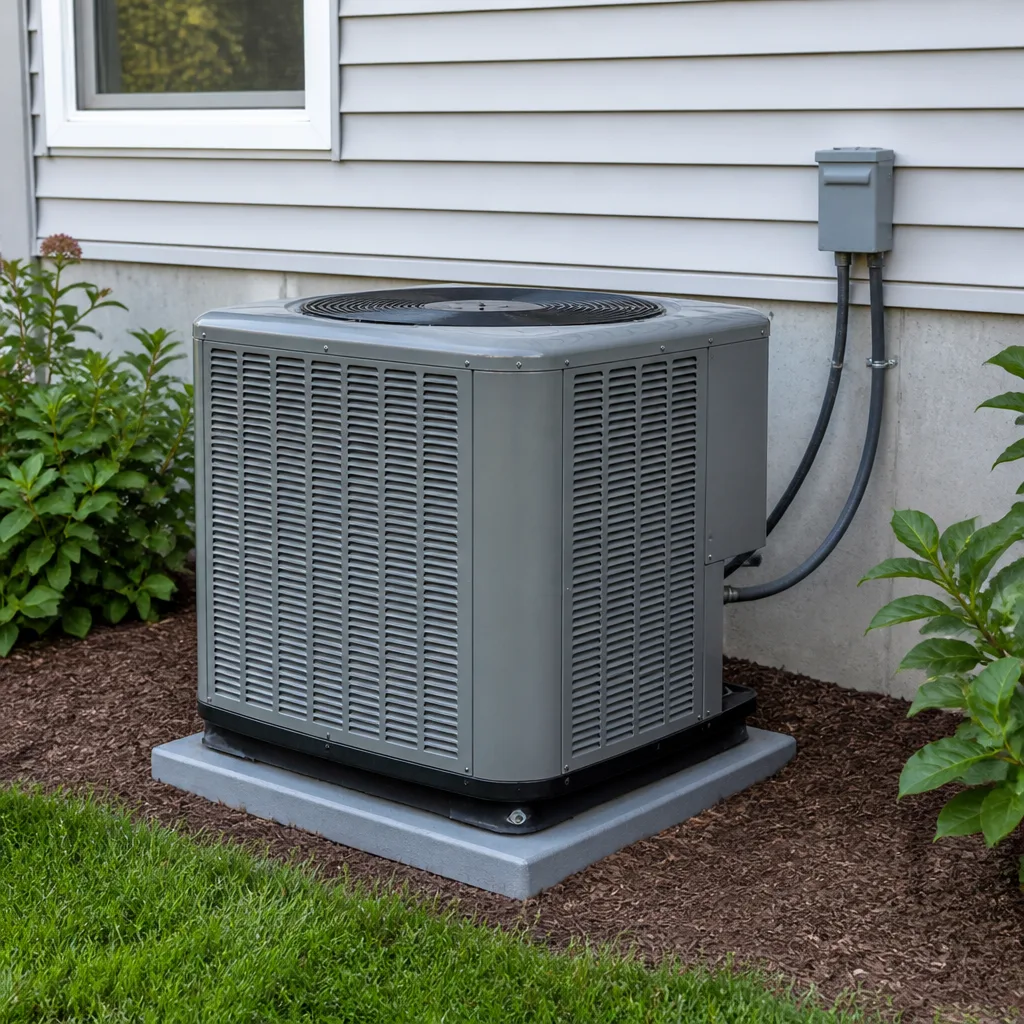 AC repair
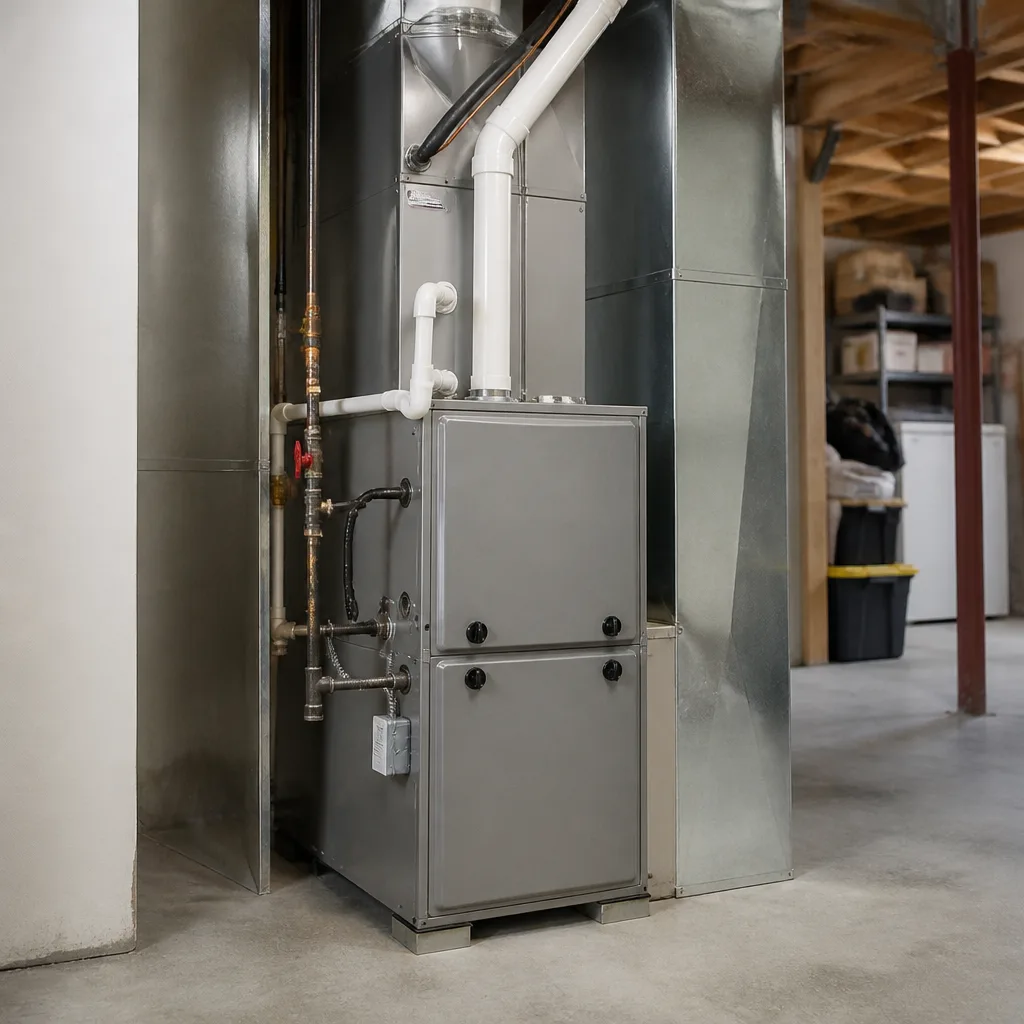 Furnace & heating
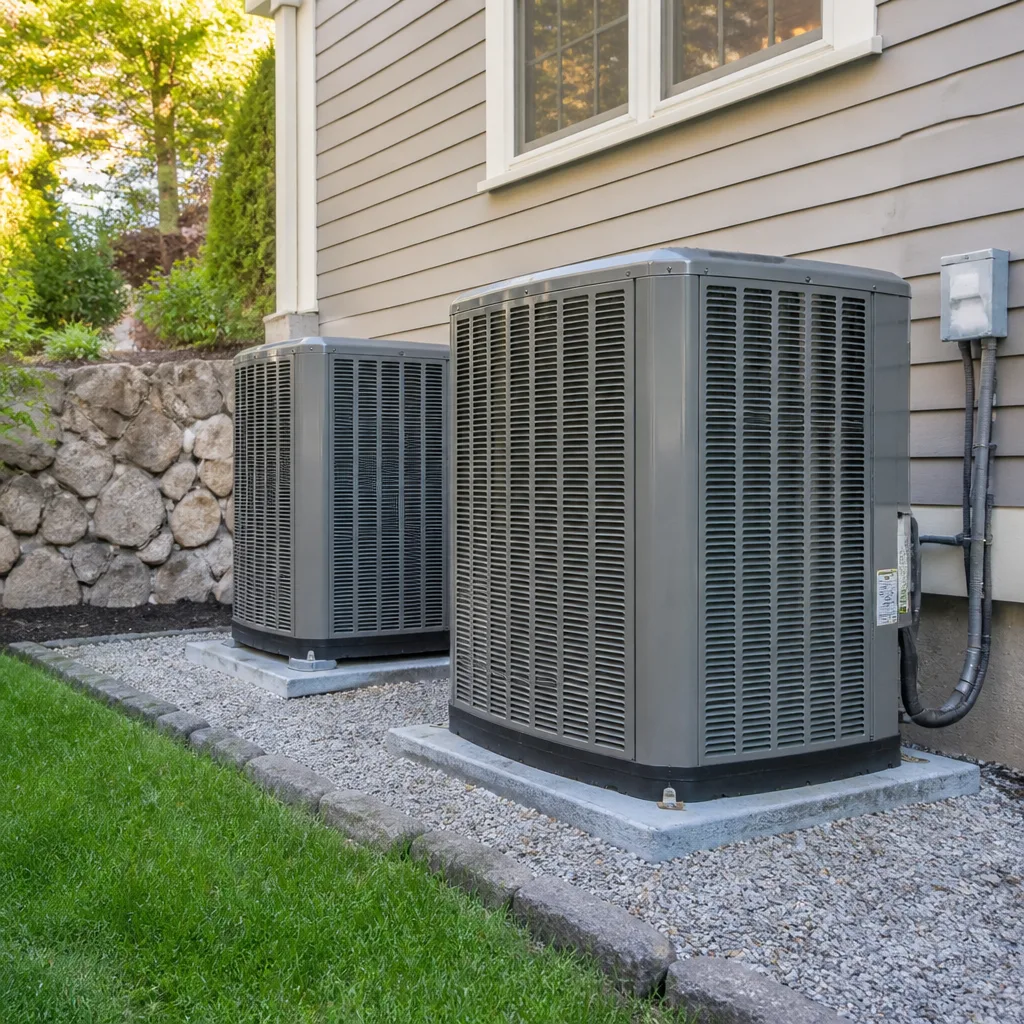 Heat pumps
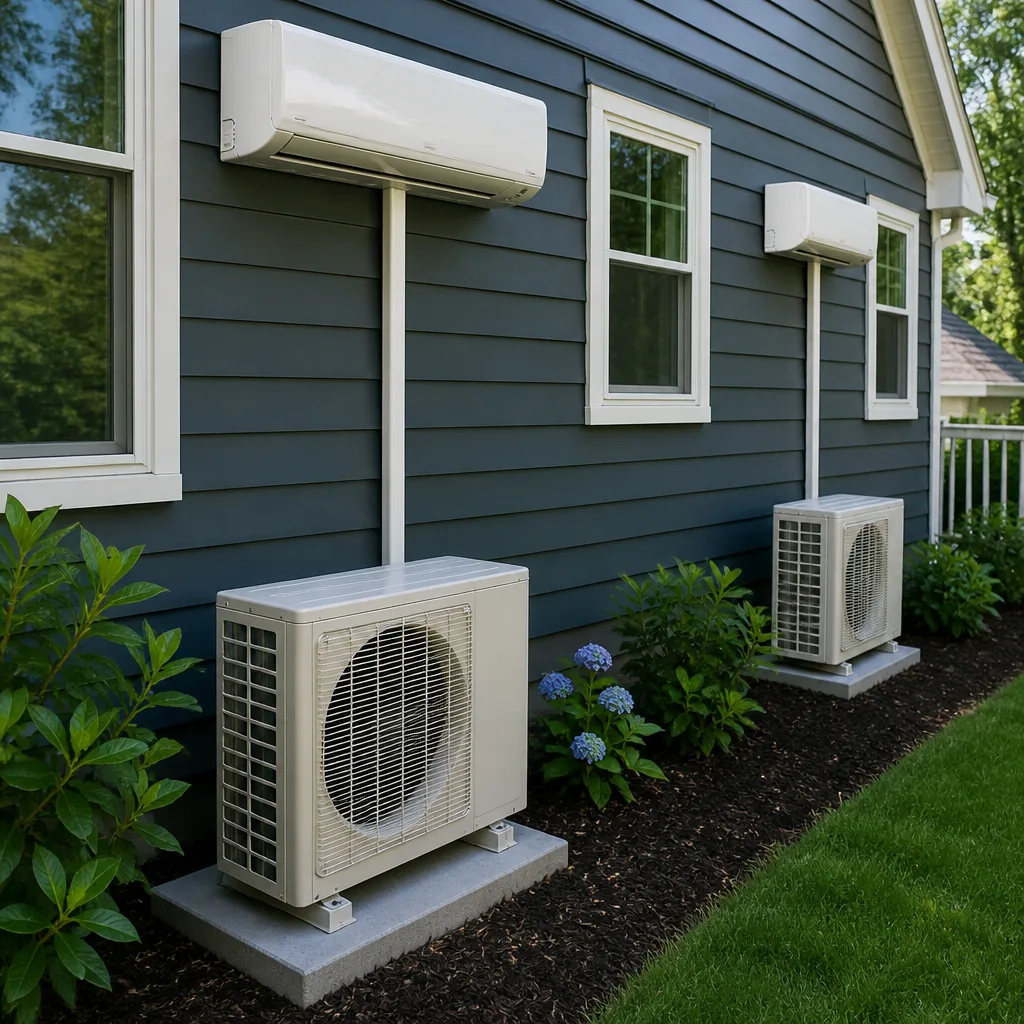 Ductless mini splits
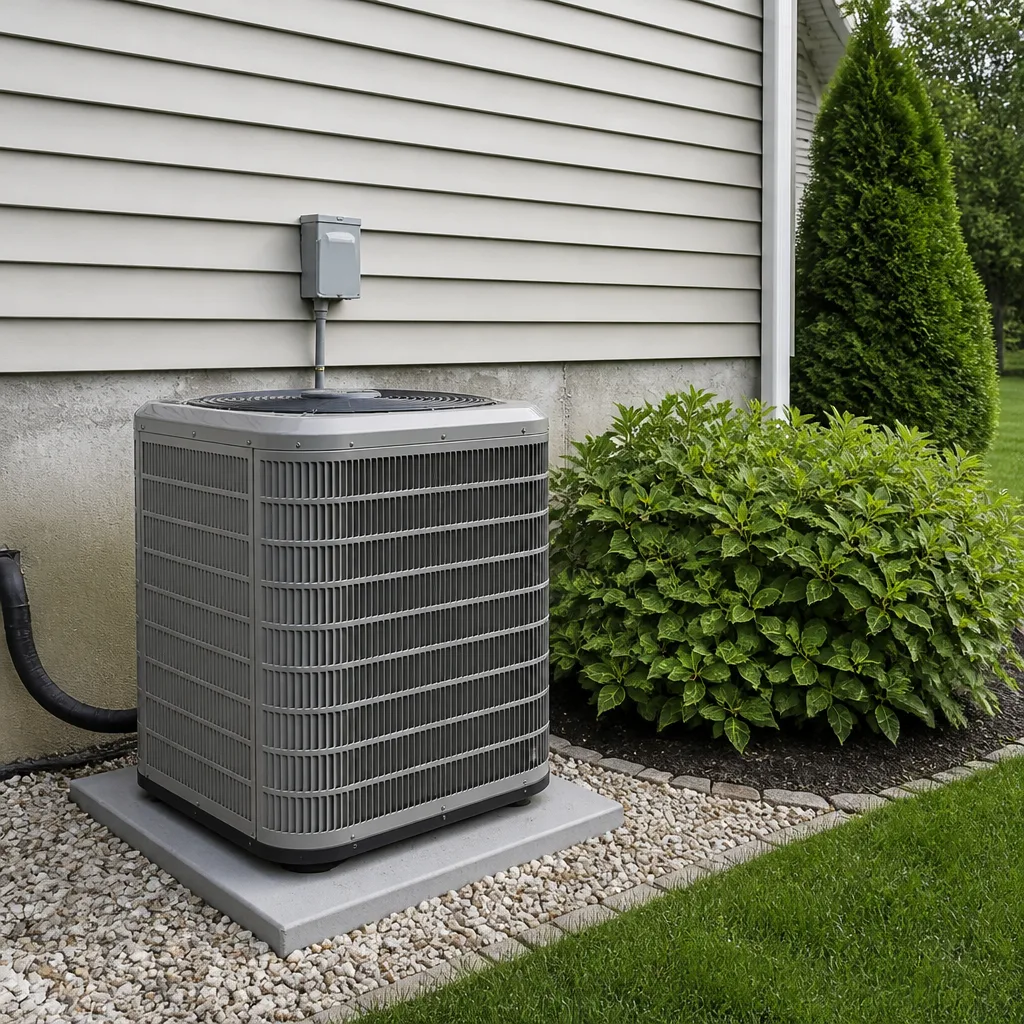 Carrier
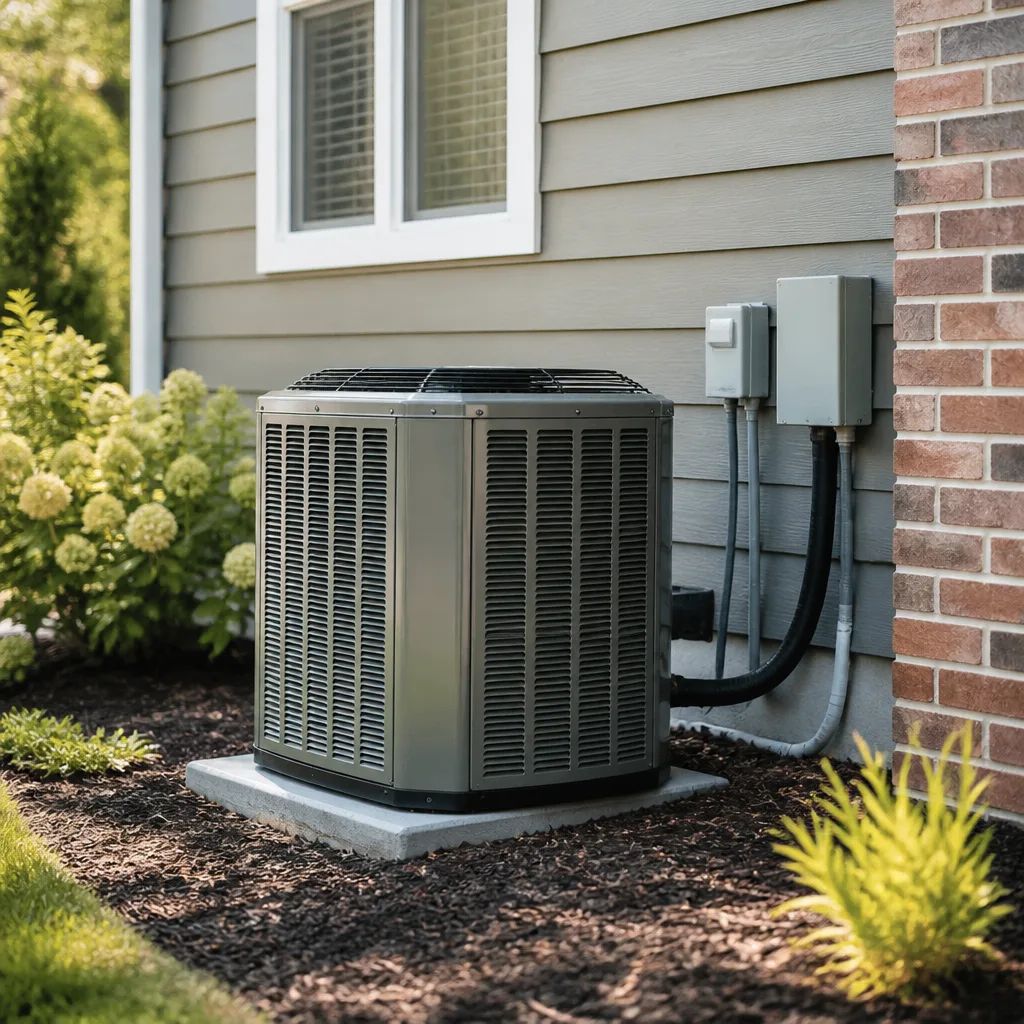 Trane
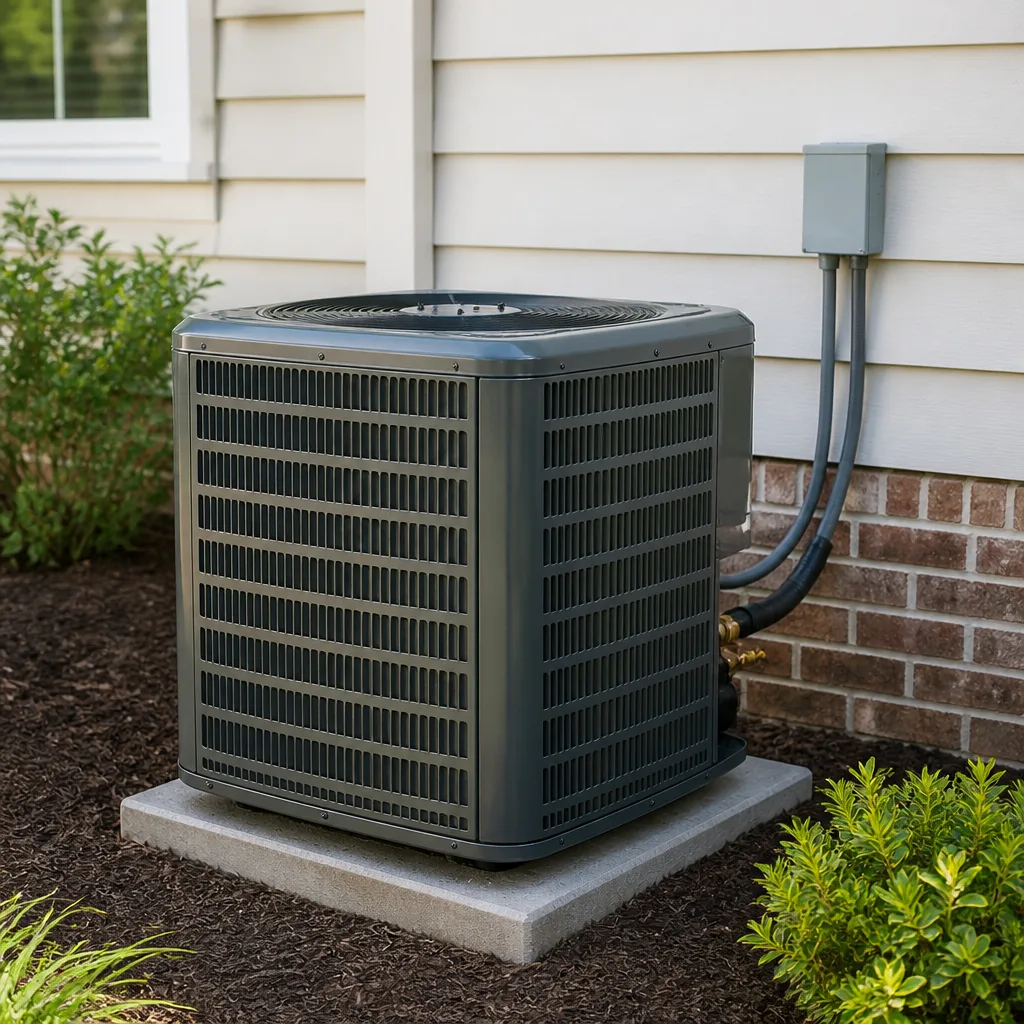 Goodman
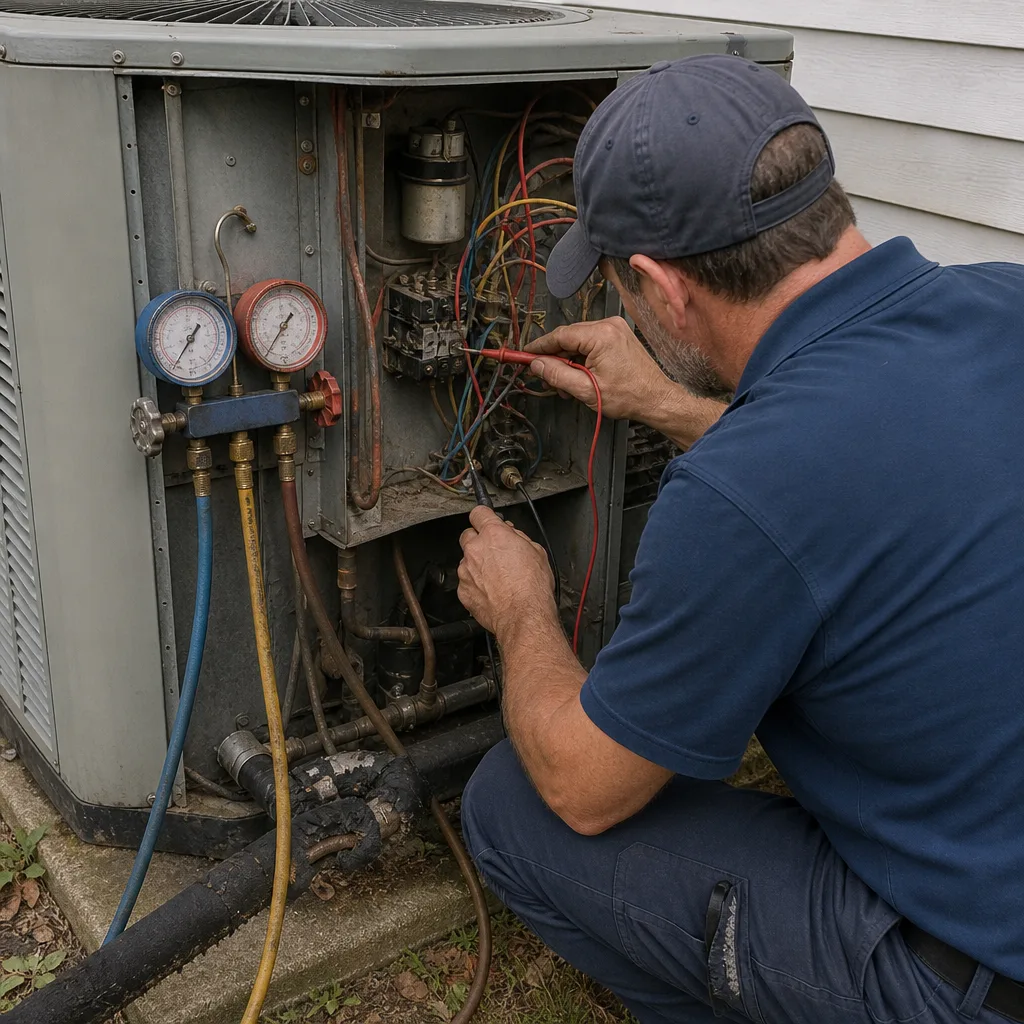
Seasonal tune-up and full diagnostic on your Carrier, Trane, or Goodman system - readings shown to you before any repair is proposed
Diagnosis first, numbers second - you approve the repair price before a single part goes in.
Get your free estimateHVAC Permits, Codes & Inspections in Palm Coast, FL: What You Need to Know
Here’s a scenario that catches more Palm Coast homeowners than any code fine: you sell your house, the buyer’s inspector flags the AC unit, and the county has no record of a permit for the replacement installed a few years back. Now your buyer wants money back, your real estate attorney wants to know why it wasn’t disclosed, and “my contractor said we didn’t need one” holds no water. A permit is not paperwork for paperwork’s sake. It’s the document that proves the work was done legally, inspected, and signed off. This guide walks through exactly which HVAC jobs in Palm Coast require a Flagler County permit, how the inspection process actually runs, what the 2023 Florida Energy Code changed, and why the permit protects you more than it inconveniences your contractor.
Quick Answer
In Palm Coast and the rest of Flagler County, most HVAC work that replaces equipment, changes the size or type of a system, or alters ductwork or electrical connections requires a permit and a final inspection. Straight swap-outs of identical equipment often still need one, and the specific rule comes down to the county’s building department and the scope of the job. An unpermitted HVAC installation can affect homeowner’s insurance claims and must be disclosed when you sell. When in doubt, pull the permit – it’s cheaper than the alternative.
Styles & brands we work with
- AC repair
- Furnace & heating
- Heat pumps
- Ductless mini splits
- Carrier
- Trane
- Goodman
Table of Contents
- Which HVAC jobs in Palm Coast require a permit and which don’t
- How the Palm Coast permit and inspection process works
- What inspectors actually check during an HVAC inspection
- The insurance angle: why an unpermitted system costs you money
- What to do if you discover an unpermitted HVAC system after buying
- How the 2023 Florida Energy Code changed HVAC installations
- How to make sure your contractor pulls the permit
- Frequently asked questions about Palm Coast HVAC permits
Which HVAC jobs in Palm Coast require a permit and which don’t?
As a rule of thumb, any job that changes the equipment or its connections needs a permit. Any job that’s pure service – cleaning a coil, recharging refrigerant, replacing a capacitor or blower motor – usually doesn’t. The gray zone lives in the middle, and it’s where homeowners get into trouble.
Here’s how the categories typically shake out in Palm Coast:
- Like-for-like replacement, same size, same type, same location: Often requires a permit. Even though nothing about the system changes, the equipment itself is new and meets current code minimums, and the county wants that verified. Some jurisdictions treat direct swaps with more flexibility, but you should never assume a swap is permit-free.
- Replacement with a larger or smaller system: Always requires a permit. Changing the tonnage means the load calculation, the electrical circuit, the refrigerant line sizing, and the airflow all need to be verified against the new equipment.
- Switching fuel type or system type: Always requires a permit. Going from electric resistance heat to a heat pump, or from a gas furnace to a heat pump, involves electrical, gas (if applicable), and mechanical work that spans multiple disciplines.
- Ductwork changes: Requires a permit when the ducts are added, removed, or significantly rerouted. Sealing a leaky duct joint is service work; running a new trunk line is not.
- New electrical circuit for the condenser or air handler: Requires a permit, and usually a separate electrical permit in addition to the mechanical one.
- Repair of an existing component: Generally doesn’t require a permit. Replacing a failed compressor, blower, or capacitor within the existing system usually falls under service.
- Refrigerant line replacement: Often permit-dependent. Some counties treat it as part of the equipment permit, some want a separate line-set permit. Ask before the work starts.
- Mini-split or additional zone added to a home without one: Requires a permit. It’s a new heating and cooling installation, not a repair.
The safe assumption in Palm Coast: if the equipment itself is being replaced or added, expect a permit. Flagler County’s building department is the source of truth for any specific job, and a legitimate HVAC contractor will know the answer before you ask. If your contractor shrugs and says “we’ll skip the permit to save you money,” that’s your cue to find a different contractor.
If you’re weighing whether a repair can get you through another season versus replacing the system altogether, that conversation should happen before anyone touches the equipment. A qualified AC installation contractor can walk you through the load calculation and code requirements for either path.
How the Palm Coast permit and inspection process works
Permitting in Palm Coast runs through Flagler County’s building department, and the steps are more predictable than most homeowners expect. From the homeowner’s side, the process usually takes two to six weeks from application to final inspection, depending on the scope and how backed up the county is at that moment. The middle of summer and the first week after a cold snap are busy times.
Here’s the typical sequence for a residential HVAC replacement:
- The contractor applies for the permit. They submit the equipment model numbers, the load calculation (Manual J or equivalent), the duct design if applicable, and their state license information. On a straight swap, this is quick. On a system change, expect more documentation.
- The county reviews and issues the permit. Routine residential HVAC permits are often issued within a few business days. Anything unusual – a duct redesign, a fuel type change – can take longer, and the county may ask for corrections.
- The contractor performs the work. The permit should be posted on-site, and the equipment should be installed to match what was submitted. If the contractor substitutes a different model without an approved change, that’s a problem at inspection.
- The contractor calls for the rough-in inspection if required. On some jobs, the county wants to see the refrigerant lines, electrical connections, and ductwork before the system is closed up. On new construction and major retrofits, this step is standard.
- The contractor calls for the final inspection. The inspector confirms the installed equipment matches the permit, checks the electrical disconnect and refrigerant line protection, verifies the condensate drain, and confirms the thermostat wiring and airflow.
- The permit is closed and the inspection record is filed. This is the critical document. When you sell the home, the closed permit record is what proves the work was legal.
The homeowner’s job is mostly to confirm the permit was pulled in the first place. Ask for the permit number before the crew arrives and confirm it’s posted on the first day of work. If a contractor asks you to pull the permit as the homeowner, that’s a warning sign – it shifts the legal responsibility onto you and often signals a contractor without proper credentials.
If you’re on a tight timeline and the system is failing, the permit process doesn’t have to be a bottleneck. Same-day repairs to a broken system usually don’t need a permit and can be done while you wait. Full replacements are load-calculated and scheduled, so plan on a set install date rather than a same-day turnaround. Furnace repair at the failing-equipment stage is often the fastest path to getting heat back on without triggering the replacement permit that comes with new equipment.
What inspectors actually check during an HVAC inspection
Palm Coast’s HVAC inspectors aren’t there to grade the workmanship. They’re there to confirm code compliance, safety, and that the equipment matches what the permit was issued for. Knowing what they look at helps you spot problems early – from your contractor, not from the county after the fact.
Common items on the final inspection list:
- Equipment match. The model and serial numbers on the installed condenser, air handler, and furnace must match the permit. Substitutions require an approved revision.
- Electrical disconnect. The condenser needs a properly sized disconnect accessible from the unit, and the wiring has to match the equipment’s nameplate rating.
- Refrigerant line protection. Lines passing through walls or across surfaces need to be sleeved, secured, and protected from physical damage.
- Condensate drainage. The drain needs to flow freely to an approved discharge point, and on systems where an overflow can cause damage, the inspector may look for a float switch or secondary drain.
- Airflow and duct connections. Duct transitions must be sealed, and the return and supply connections must be secure. This is also where the inspector checks the duct design against the permit.
- Combustion air and venting (gas systems only). Gas furnaces need to have proper venting, combustion air, and clearance to combustibles, and the gas line needs its own inspection in many jurisdictions.
- Thermostat and controls. The system must fire and cool or heat when called from the thermostat, and the wiring must match the manufacturer’s wiring diagram.
- Labeling. The permit placard and any required labeling for refrigerant type, disconnect amperage, and equipment capacity should be visible.
If the inspector flags something, the contractor gets a correction notice and a re-inspection. Most corrections are simple – a missing disconnect, an unsealed duct transition – and are resolved within a few days. What you don’t want is a correction notice sitting open for months because the contractor disappeared. Homeowners who pay the final invoice only after a passed inspection avoid this problem entirely.
We’ve seen plenty of Palm Coast homes where the prior install was done well mechanically but never inspected, and the equipment is fine until it isn’t. The inspection record is the only proof the install was ever reviewed by anyone outside the installer’s own company.
The insurance angle: why an unpermitted system costs you money
This is the section most homeowners skip, and it’s the one that matters most. An unpermitted HVAC system doesn’t just sit quietly in your attic until you sell. It creates gaps in your homeowner’s coverage that only surface when you actually need to file a claim.
Here’s how it shakes out in the real world:
- Fire claims: If a fire starts at the HVAC unit or in the wiring serving it, the adjuster will look at the installation record. An unpermitted, uninspected install can create a coverage dispute, even if the install isn’t the cause of the fire. Insurers ask whether the work was done by a licensed contractor with the required permits, and if the answer is no, the claim gets complicated.
- Water damage from condensate: AC systems in Florida produce a lot of condensate. If a failed drain pan or condensate line causes ceiling damage, the adjuster will ask whether the install was inspected. Improperly routed drains that were never reviewed are a common source of denied or reduced claims.
- Refrigerant leaks: A refrigerant leak that damages drywall or requires remediation opens the same question. If the system was installed without a permit, the insurer can argue the installation didn’t meet code.
- Underwriting and renewal: More insurers are pulling permit records during underwriting and renewal. A missing HVAC permit can flag a property for a higher premium or, in some cases, nonrenewal.
None of this means every unpermitted install automatically results in a denied claim. It means the claim moves from “routine” to “investigate and possibly litigate,” which takes time, costs money, and sometimes ends with the homeowner covering damage that would otherwise have been paid.
The other side of the insurance story is disclosure. Florida law requires sellers to disclose known material defects during a residential sale. An unpermitted HVAC replacement is a material fact, and whether you knew about it or not, once you know, you have to disclose it. If you don’t, your buyer’s attorney has a case. That’s the scenario that ends in a lawsuit, not just a fine.
For homeowners who are already planning a replacement, this is the argument for doing it once, legally, with a permit. A permitted install with a closed inspection record is also easier to insure, and easier to sell. If you want to check your existing install before you get into a dispute, look on the equipment nameplate for a permit sticker or ask the county for the permit history on your address. It usually takes a few minutes.
What to do if you discover an unpermitted HVAC system after buying
Finding out your new home has an unpermitted HVAC install is stressful but manageable. The good news: most of the time, you can retroactively legalize the work through a permit process called a “permit after the fact” or sometimes an “as-built permit.” The exact terminology depends on Flagler County’s process, but the concept is the same – the county inspects the existing work and, if it meets code, issues a permit retroactively.
Here’s the sequence to follow:
- Verify the permit status. Start with Flagler County’s online permit portal or call the building department directly. Give them the address and ask for the permit history. Don’t rely on the seller’s disclosure or the real estate agent’s word – the county record is the truth.
- Get an inspection from a licensed HVAC contractor. A contractor you trust needs to look at the installation and confirm whether it meets current code. This is often free or low cost. They’ll flag the items the county will care about and tell you what needs correcting.
- Apply for a permit after the fact. Your contractor can usually handle this. It’s more paperwork than a standard permit, but it’s not uncommon, and the county has a process for it.
- Correct anything the inspector flags. Missing disconnect, unprotected line set, inadequate duct sealing – these are the usual finds. Correcting them is typically a few hundred dollars, well below the cost of a lawsuit or a denied claim.
- Get the permit closed and keep the record. File the closed permit, the inspection report, and the contractor’s invoice where you can find them when you sell.
If the installation is so far out of code that it can’t be legalized without major work, you have another option: replace the system. That’s the expensive path, but it’s cheaper than litigation and it puts you on solid ground for insurance, resale, and your own safety.
If you’re buying in Palm Coast right now, add permit verification to your inspection contingency. It’s a fifteen-minute call to the county and it can save you tens of thousands later.
How the 2023 Florida Energy Code changed HVAC installations
The Florida Energy Code was updated with the 2023 edition, and the changes affect how new HVAC systems are designed and installed in Palm Coast. Nothing here is retroactive – existing systems aren’t suddenly out of compliance – but any new installation permitted today has to meet the current requirements.
The changes that matter most to homeowners:
- Equipment efficiency minimums. New split systems need to meet higher SEER and HSPF ratings than the previous code required. Your contractor has to select equipment that meets the current minimums, and the permit submittal will list the ratings.
- Load calculation requirements. The 2023 code expects a proper load calculation for replacement systems, not just “same tonnage as what was there.” Sizing the system to the home’s actual load is now an expected part of the permitting process, and inspectors may ask for it.
- Duct sealing and insulation. The 2023 edition tightened the requirements for duct leakage and duct insulation in unconditioned spaces. An install in a hot Florida attic needs to meet the current sealing and insulation standards to pass inspection.
- Refrigerant transition. The industry is moving toward lower-GWP refrigerants, and the code tracked that transition. Your contractor needs to install equipment that uses an approved refrigerant, with the refrigerant type labeled on the unit.
- Controls and thermostats. Programmable or smart thermostats are now part of the compliance picture on new installs, not just an optional upgrade.
Palm Coast’s climate makes efficiency a practical concern, not just a code concern. A long hot season and a short heating season mean the cooling side of the equation dominates, and a system that meets the current SEER minimum performs better in this climate than a similar system installed under the old standard. If your contractor is trying to install equipment that doesn’t meet the 2023 code, that’s a permit problem waiting to happen, and an inspection problem after that.
Brands like Trane, Lennox, and Goodman have updated their lineup to meet the current code, so there’s no shortage of equipment that works. Our technicians are certified to work on nine of the major brands, including those and others, which means we’re not tied to one manufacturer’s current lineup when we recommend a system for your home. The right system is the one that fits the home’s load calculation, the budget, and the current code, not the one that happens to be sitting in a warehouse.
How to make sure your contractor pulls the permit
Most of this guide comes down to one thing: confirm the permit is pulled before the work starts. That’s a process question you can handle in minutes, on any HVAC job in Palm Coast, regardless of the contractor’s experience or the size of the job.
Ask these questions before you sign anything:
- “Will you pull the permit, or am I expected to?” The contractor pulls it. Always.
- “Can you give me the permit number once it’s issued?” A credible contractor will hand it over without hesitation.
- “Will the final inspection be scheduled as part of the job, or do I need to call the county?” It’s part of the job, and the invoice should reflect that.
- “What happens if the inspection fails?” A contractor who’s confident in their work answers this without blinking. There should be a clear process for corrections and a re-inspection.
- “Will you provide the closed permit record at the end of the job?” You should have this on file, either from the contractor or from the county portal, before final payment.
The permit shouldn’t cost you more than a small line item, and it protects you more than it protects the contractor. If a contractor resists, that’s the answer to the interview question. There are plenty of licensed, insured HVAC contractors in Palm Coast who do this every day. Look for state-licensed, insured and bonded professionals who are comfortable talking about the process in plain terms. If you want to start with a company that treats the permit as a normal part of the job, Sycamore AC Repair handles the paperwork and walks you through the inspection record on every install.
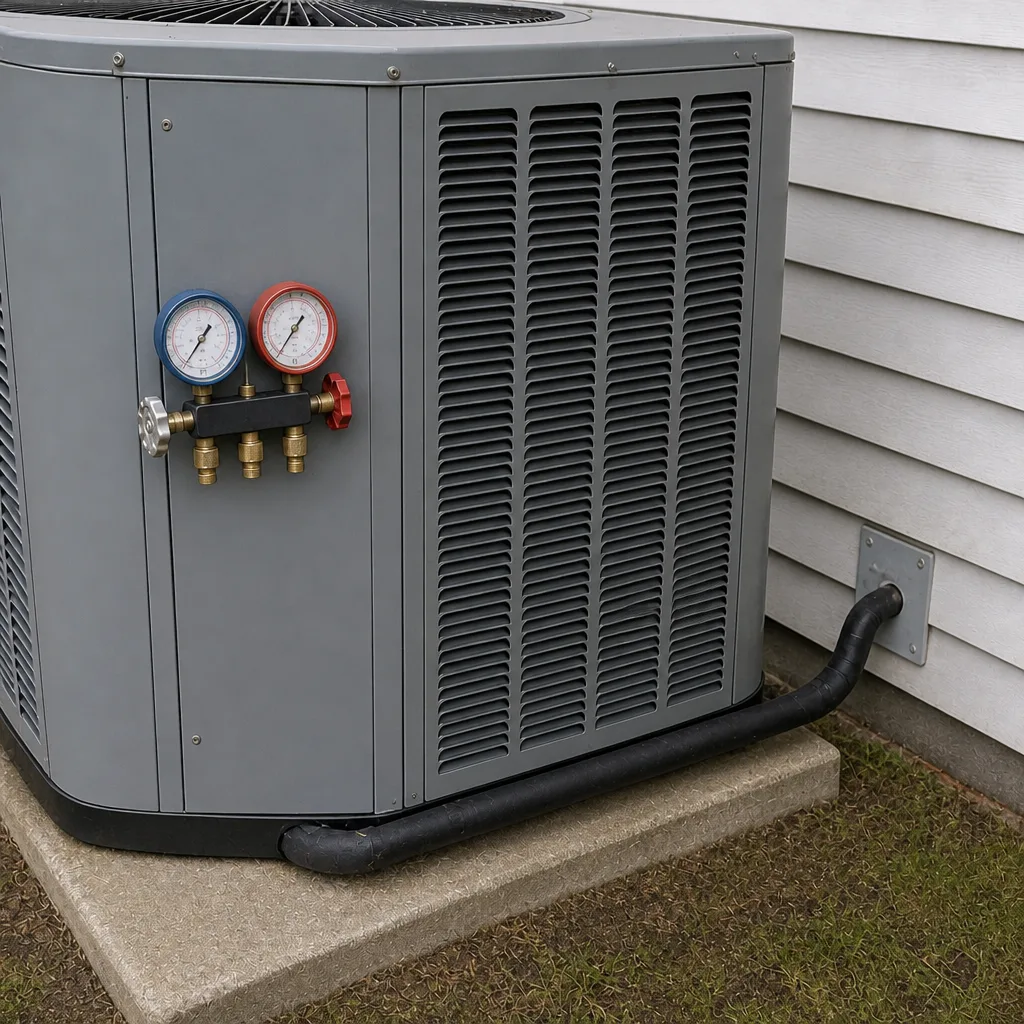
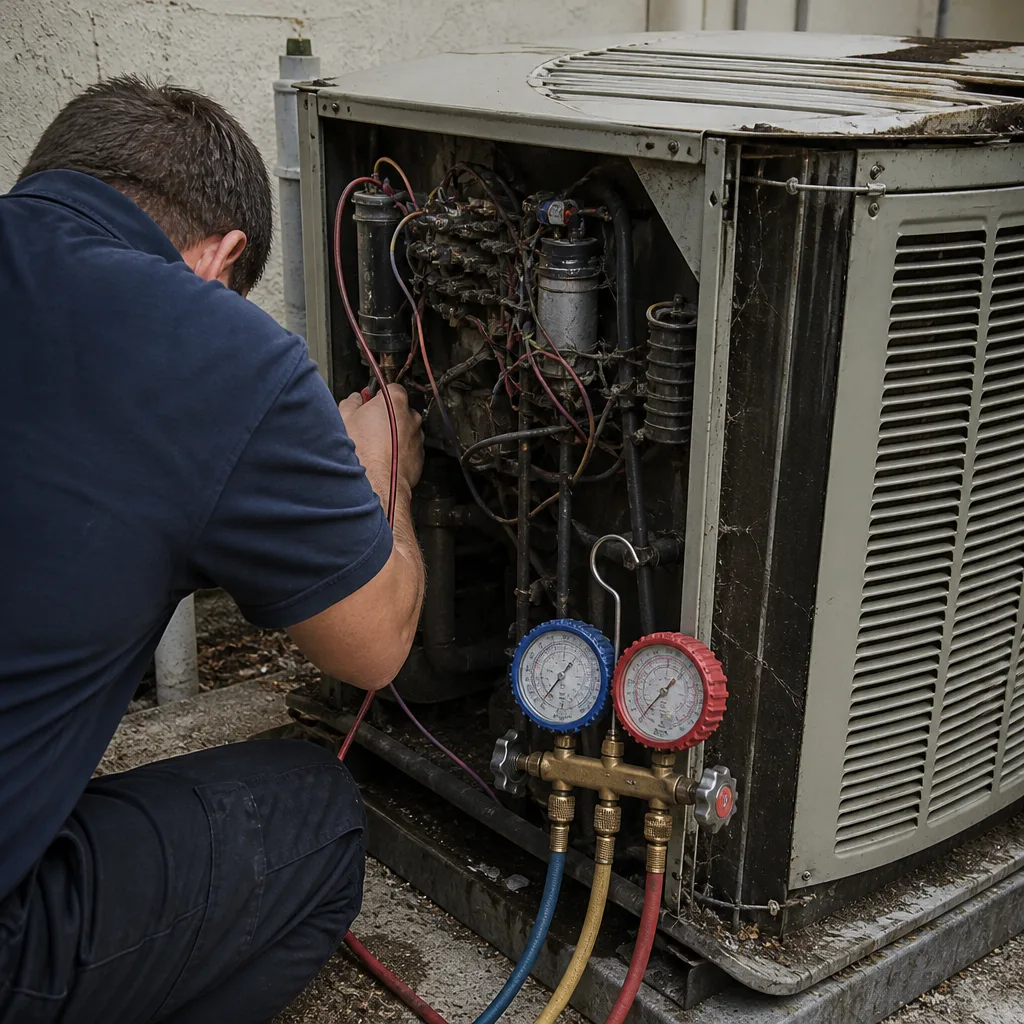
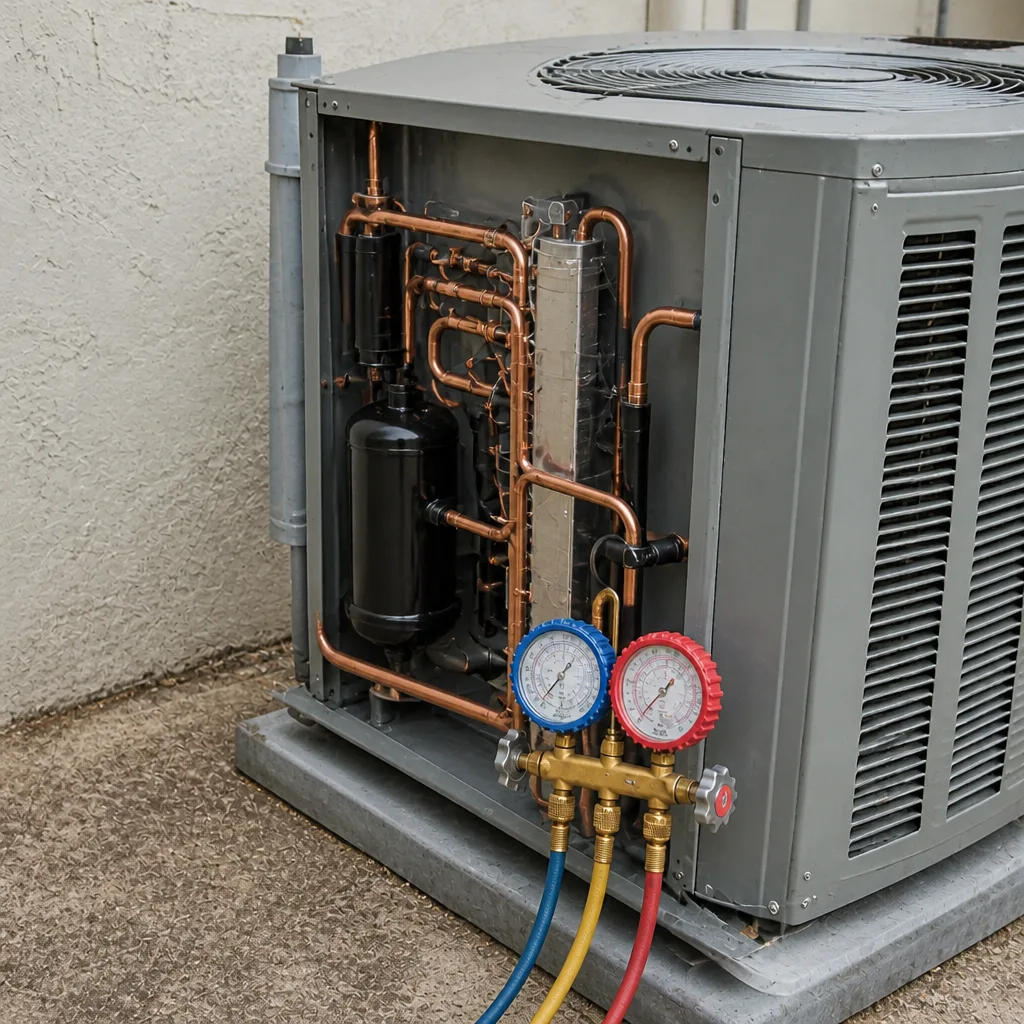
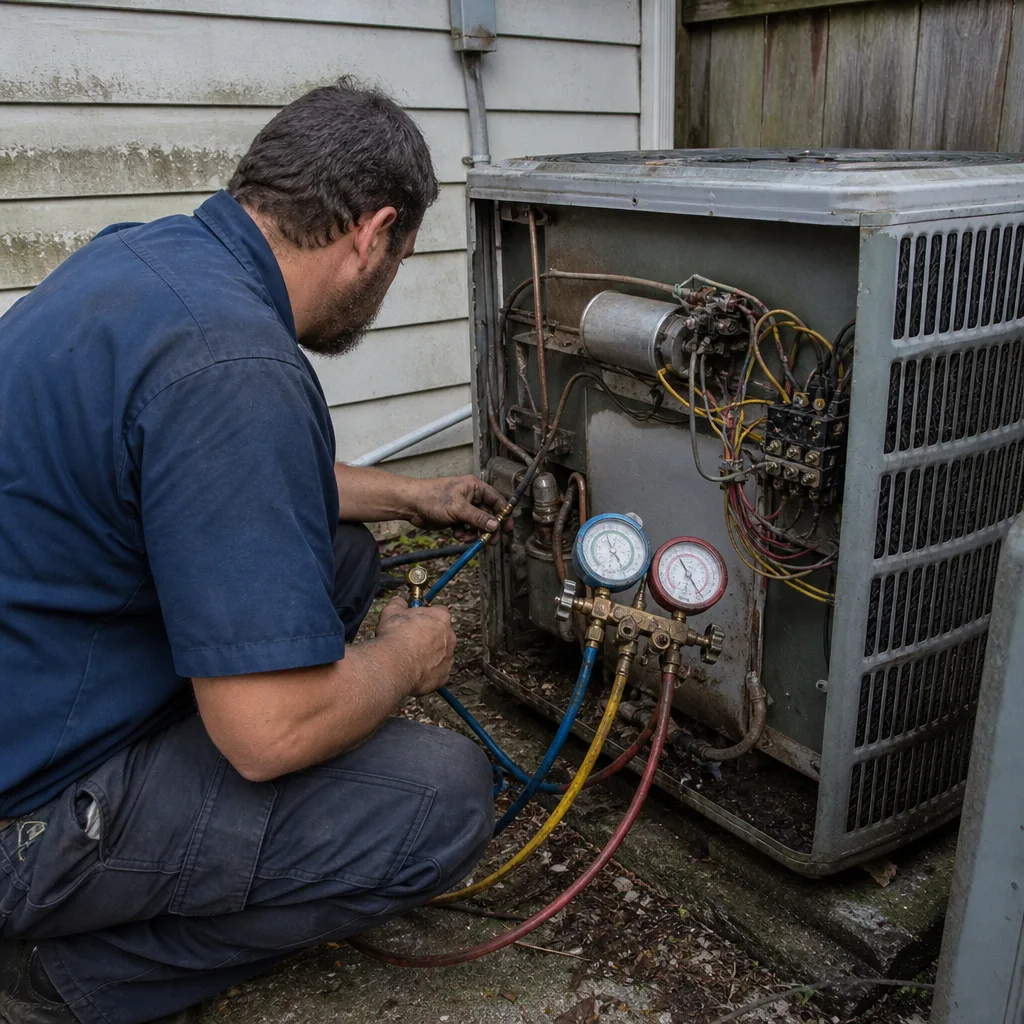
See the difference
 Before
 After
 Before
 After
 Before
 After
Common Mistakes to Avoid
- Trusting a verbal “we don’t need a permit for that.” If a contractor tells you no permit is required, ask them to show you where the county says so, or call Flagler County yourself. A verbal waive is not a legal defense and won’t help you at resale.
- Filing the closed permit only on paper. If you have the closed permit in a folder somewhere, that’s fine – but verify it’s also in Flagler County’s online record. Buyers and insurers look at the county database, not your file cabinet.
- Assuming a like-for-like replacement is exempt. Even a straight swap of identical equipment often needs a permit, and Palm Coast’s building department is the only source of truth here. Assuming it’s exempt is the single most common path to an unpermitted system.
- Letting the contractor substitute equipment after the permit is issued. If the installed model differs from what was submitted, the inspection fails. Make sure the model number on the permit matches the model number on the equipment you actually get.
- Paying the final invoice before the inspection passes. Hold the final payment until the county has signed off. This costs you nothing in goodwill with a good contractor and prevents the worst-case scenario with a bad one.
- Skipping the permit to keep the price down. A permit typically adds a modest amount to the job cost, while an unpermitted system can cost you the entire resale transaction. The math isn’t close.
- Forgetting to check the permit record when you buy. If you bought a Palm Coast home and never verified the HVAC permit history, that paperwork task just got more urgent. Check it now, while you have time to correct it.
When to Call a Professional
Call a licensed HVAC contractor when you’re planning a replacement, when a contractor quotes you a job so cheap that skipping the permit is the only way the number works, or when you’re buying a home and need the installation verified. Also call if your existing system was installed without a permit – legalizing it through Flagler County is a straightforward process, but it needs a licensed contractor on the paperwork. Repairs to a failing system usually don’t need a permit, and if you’re dealing with a broken AC in the middle of summer, getting a technician out to diagnose first makes sense. Sycamore AC Repair offers free estimates in Palm Coast – call (855) 360-7379. We answer 24/7. Fast dispatch from 7am to 7pm, Sunday through Friday.
Frequently Asked Questions
Usually yes. Any replacement of the condenser, air handler, or furnace should have a permit and a final inspection through Flagler County before the job is closed out. Straight like-for-like swaps sometimes get treated differently depending on the scope, but you should never assume a replacement is permit-free. Confirm with the county or your contractor before the work starts. Call (855) 360-7379 for an exact quote on your replacement – estimates are free.
You can face a lawsuit from the buyer and a claim that you failed to disclose a material fact. Florida law requires sellers to disclose known defects, and once you know about an unpermitted install, it needs to be disclosed. The buyer can also ask for the cost of legalizing it retroactively. The cleanest fix is to legalize it before you list – get a permit after the fact through Flagler County, pass the inspection, and keep the record.
Routine residential HVAC permits are typically issued within a few business days, and the final inspection is usually scheduled within a week or two after the install is complete. Complex jobs – duct redesigns, fuel type changes, separate electrical permits – can take longer. Ask your contractor for the timeline up front so you’re not surprised at the end of the job.
It can complicate a claim, and in some cases it can lead to a denial or a reduced payout, especially on fire, water damage from condensate, or refrigerant leak claims. Insurers ask whether the work was done under permit and inspected. An unpermitted install doesn’t automatically deny every claim, but it moves the claim into a dispute you may not win. The simplest way to avoid the problem is to make sure every install is permitted and inspected.
It raised the equipment efficiency minimums, tightened duct sealing and insulation requirements, and made proper load calculations an expected part of the permitting process. Any new HVAC installation permitted today needs to meet those current minimums, and the permit submittal will list the equipment ratings. Existing systems aren’t retroactively affected, but a new install has to comply.
We can often get a technician out the same day for a repair call. Repairs generally don’t require a permit, so diagnosis and repair can start right away. If the diagnosis turns into a replacement, that work gets load-calculated and scheduled so the permit can be pulled correctly. Call (855) 360-7379. We answer 24/7. Fast dispatch from 7am to 7pm, Sunday through Friday.
The Bottom Line
The permit in a Palm Coast HVAC job does more for the homeowner than it does for the contractor or the county. It’s the record that proves the work was legal, the inspection that proves it was done right, and the document that keeps your insurance claim clean and your resale transaction out of litigation. Like-for-like replacements, system changes, duct work, and new circuits all need one; simple repairs usually don’t. If you bought a home with an unpermitted install, legalize it retroactively now, not when you’re staging the house for sale. And if your contractor suggests skipping the permit to save money, that’s the whole interview right there.
Our technicians have up to 13 years of experience across nine major equipment brands – Carrier, Trane, Lennox, Goodman, Rheem, York, Daikin, Bryant, and American Standard – and we’ll pull the permit, schedule the inspection, and hand you the closed record when we’re done. HVAC is all we do, whether that’s AC installation on the cooling side or furnace replacement on the heating side. If you’re planning a project in Palm Coast and want a straight answer on the permits involved, call Sycamore AC Repair at (855) 360-7379 for a free estimate. We answer 24/7. Fast dispatch from 7am to 7pm, Sunday through Friday.
Written by the team at Sycamore AC Repair.