
Last updated November 16, 2026
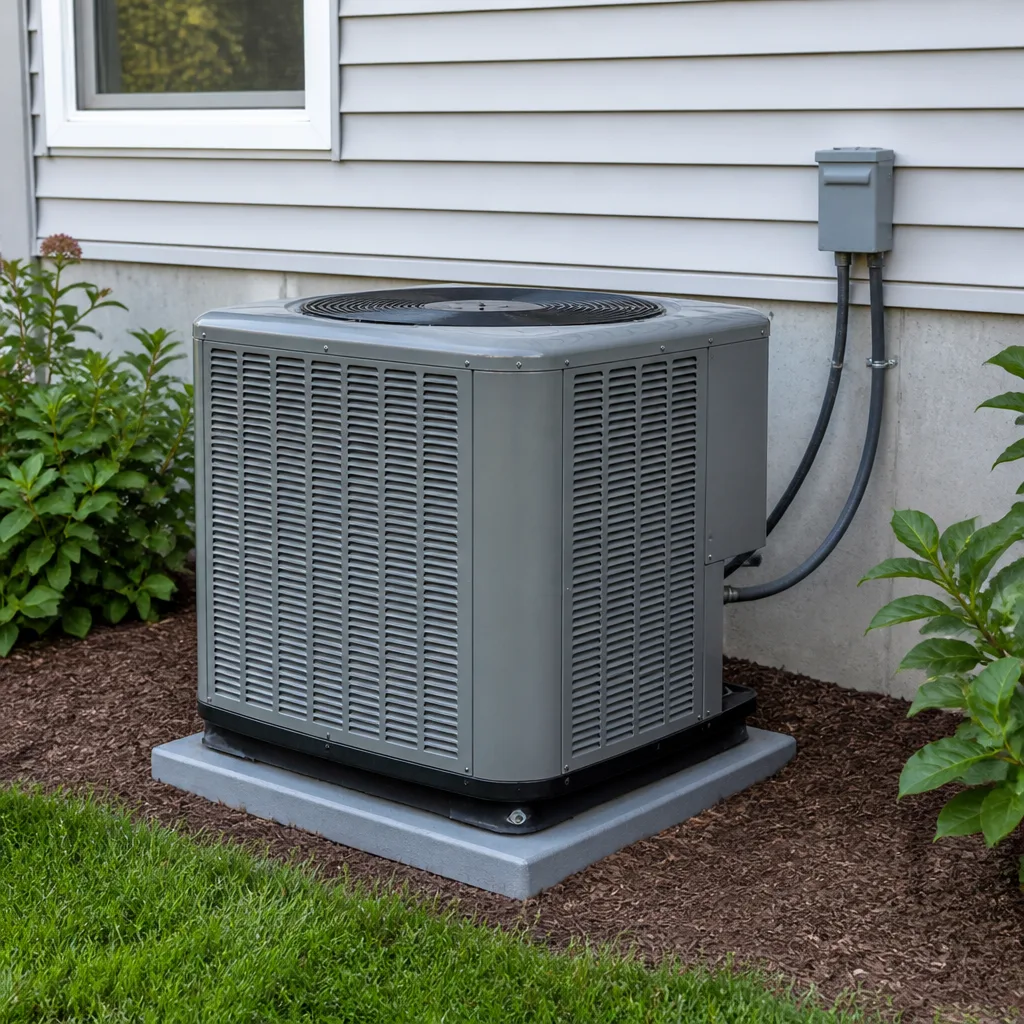 AC repair
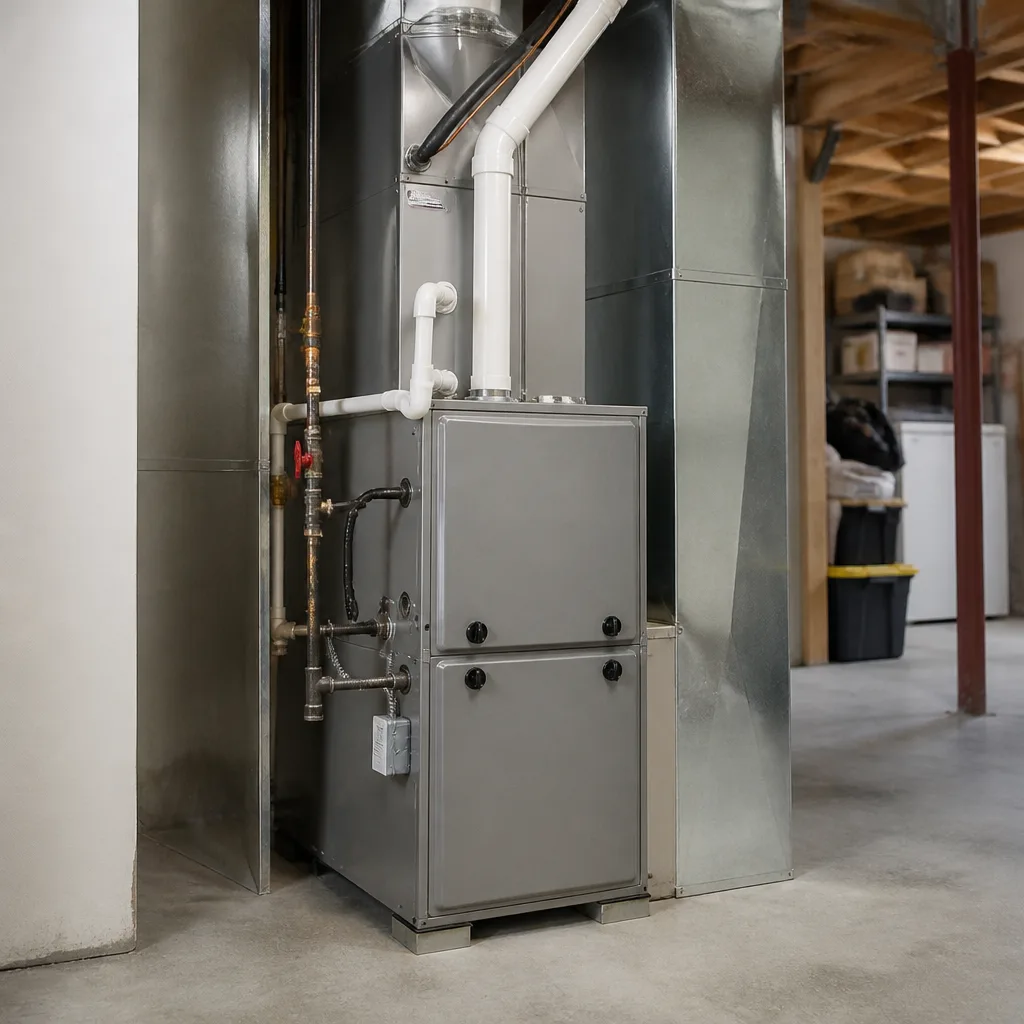 Furnace & heating
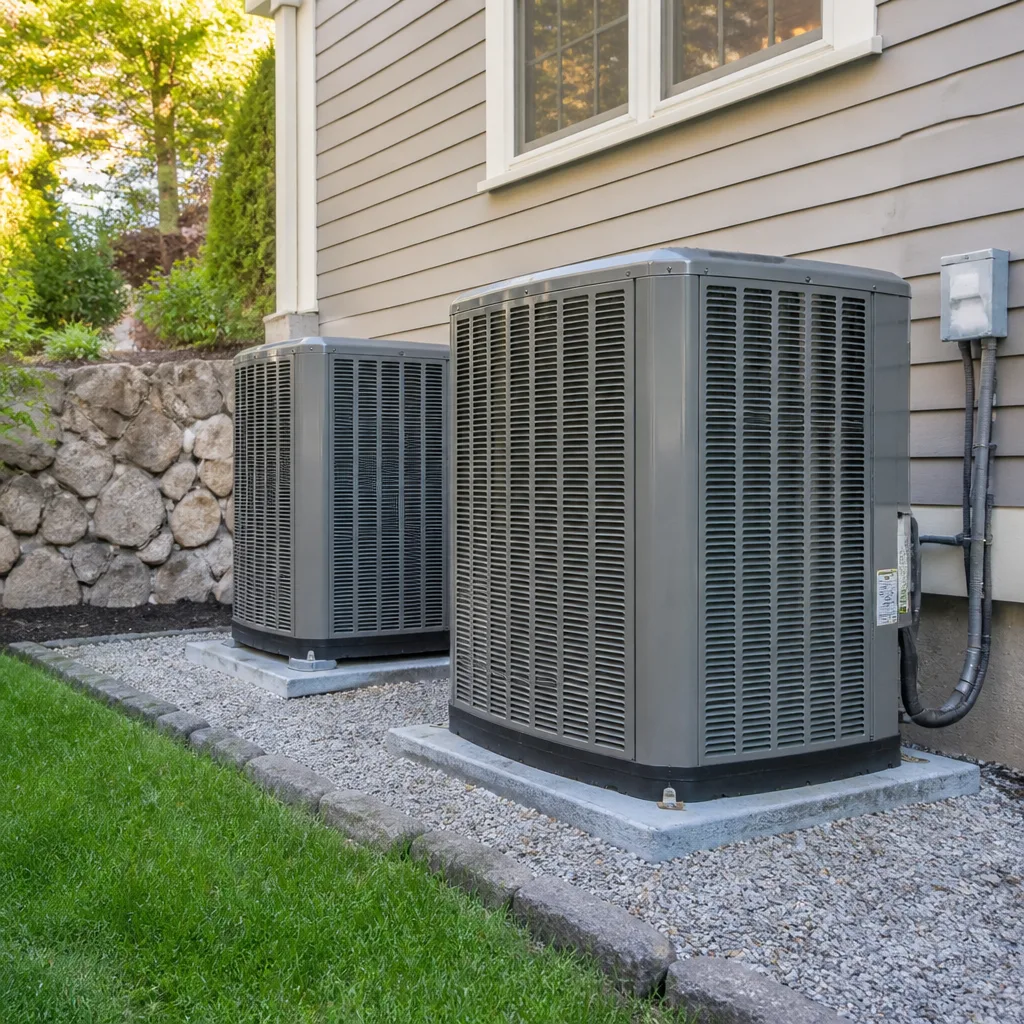 Heat pumps
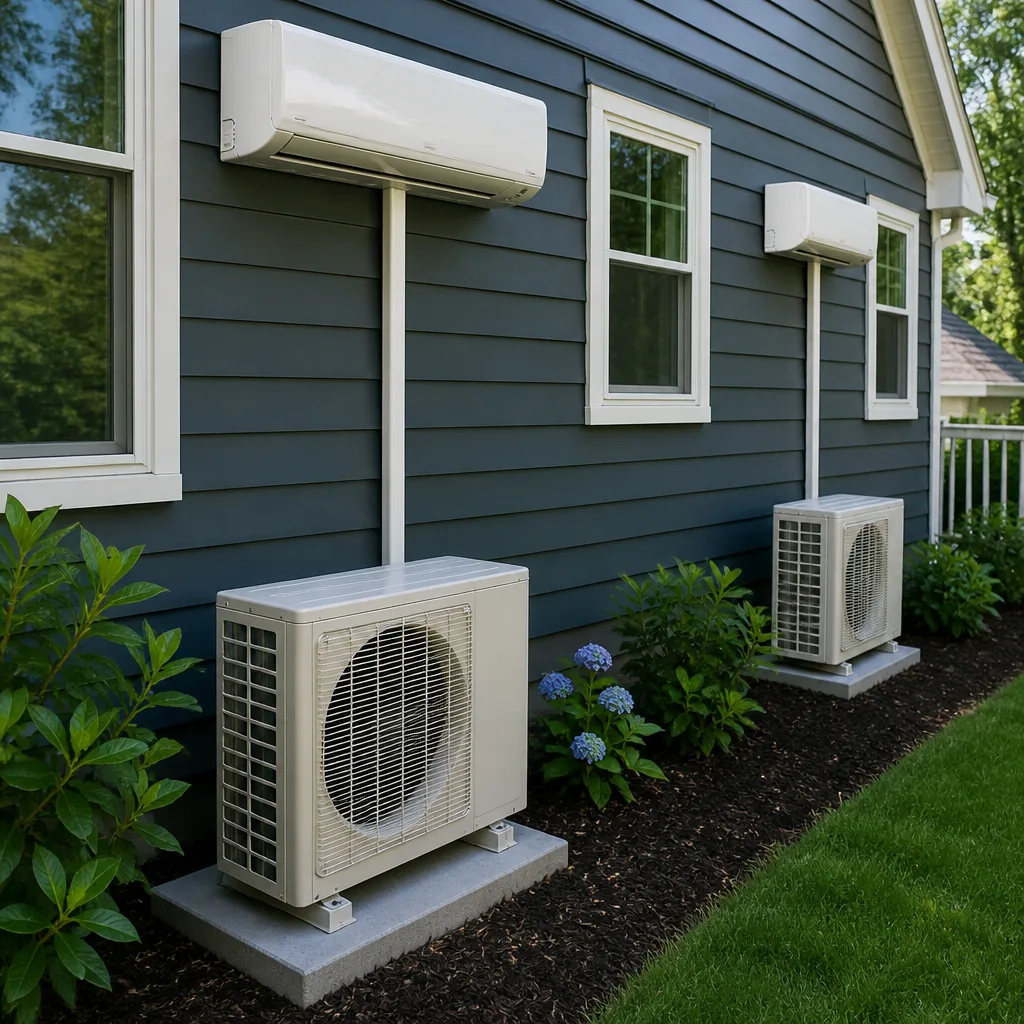 Ductless mini splits
 Carrier
 Trane
 Goodman
Seasonal tune-up and full diagnostic on your Carrier, Trane, or Goodman system - readings shown to you before any repair is proposed
Diagnosis first, numbers second - you approve the repair price before a single part goes in.
Get your free estimateHVAC Cost Breakdown: The Palm Coast Homeowner’s Reference for 2026
Two homeowners on the same block with identical houses and identical failing air conditioners can end up with quotes that are thousands of dollars apart. One isn’t being cheated. The gap comes from equipment brand, SEER2 rating, how each contractor handles permits, and whether the quote quietly leaves out the line items that only show up on the final invoice. In this guide we break down what HVAC work actually costs in Palm Coast in 2026, from a single repair to a full system replacement, and explain every variable that moves the number. You’ll learn how tonnage and efficiency tier affect price, why some equipment costs more upfront in this market, how Flagler County permits fit into the total, and a simple framework for deciding whether to repair or replace. It’s the reference we wish every homeowner had before they called anyone.
Quick Answer
A full HVAC system replacement in Palm Coast in 2026 typically runs about $6,500 to $14,000 depending on system size, efficiency tier, and how much ductwork or electrical work the job needs. Straightforward repairs like a capacitor, contactor, or blower motor commonly fall in the $150 to $900 range. The written estimate you receive sets the final price, and it should itemize equipment, labor, permit fees, and any duct or line-set work separately.
Styles & brands we work with
- AC repair
- Furnace & heating
- Heat pumps
- Ductless mini splits
- Carrier
- Trane
- Goodman
Table of Contents
- What does a full HVAC replacement cost in Palm Coast in 2026?
- How do tonnage and SEER2 tier change the price?
- Why does equipment cost more here, and does it pay back?
- How do Flagler County permits and inspections affect your total?
- What financing and utility rebates are available in 2026?
- Repair or replace: a simple cost framework
- What do common repairs cost, and which ones are worth it?
- How to read an HVAC estimate line by line
What does a full HVAC replacement cost in Palm Coast in 2026?
For a typical single-family home in Palm Coast, a complete replacement of the outdoor condenser, indoor air handler or coil, and thermostat usually lands between $6,500 and $14,000. Where you fall in that range depends mostly on three things: the size of the system in tons, the efficiency tier of the equipment, and whether the job needs new ductwork, a new line set, or electrical upgrades. A like-for-like swap on an existing setup sits near the bottom. A high-efficiency system with a variable-speed air handler and a fresh line set pushes toward the top.
Here’s a realistic breakdown of what a replacement project includes:
- Equipment – condenser, coil or air handler, and thermostat. This is the largest single line item and where brand and efficiency tier do most of their work.
- Labor – removal of the old system, setting the new equipment, brazing line connections, vacuuming and charging the system, and commissioning.
- Permit and inspection fees – most Florida municipalities require a permit for a system changeout, and Flagler County is no exception. Ask whether the permit is included or billed later.
- Ancillary work – new line set, condensate drain updates, electrical disconnect, pad or platform, and duct sealing or partial duct replacement.
- Haul-away – removal and disposal of the old equipment, including refrigerant recovery.
One thing that separates a clean quote from a cheap one: whether the contractor performed a load calculation. A proper replacement starts with calculating how much cooling your home actually needs, not with matching the tonnage on the old unit. If a company quotes you a price without looking at the house, treat that number as a placeholder. We’re happy to walk through what a written estimate should include when you’re ready to compare. Call (855) 360-7379. We answer 24/7. Fast dispatch from 7am to 7pm, Sunday through Friday.
How do tonnage and SEER2 tier change the price?
System size and efficiency tier work together. A 2-ton system in the entry-level efficiency tier costs less than a 5-ton system in the premium tier, and the spread runs into the thousands. Tonnage is set by your home’s square footage, insulation, window load, and how much sun the house takes in the afternoon. SEER2 is the efficiency rating, and the higher the number the more the equipment costs upfront and the less it tends to cost to run.
A typical way Palm Coast replacements break down by tier:
- Entry tier (minimum-rated SEER2 equipment) – the lowest upfront price. Fine for a rental or a home you plan to sell, though it usually comes with a single-stage compressor and a basic thermostat.
- Mid tier (single-stage or two-stage, moderate SEER2) – the most common choice for owner-occupied homes. Two-stage equipment runs longer at lower output, which keeps humidity in check through a Palm Coast summer.
- Premium tier (variable-speed, high SEER2) – the highest upfront price and the quietest, most efficient operation. Comfort is more even room to room and the system dehumidifies better than single-stage equipment.
How tonnage shifts the price: each step up in size adds equipment cost and, sometimes, duct and electrical work. A 2-ton to 3-ton system might be a modest jump. A 5-ton system with a full variable-speed air handler and a new line set is a different project entirely. When we quote a replacement, we size the equipment to the house rather than defaulting to what the old unit had. Sometimes the old system was oversized to begin with, and correcting that on a AC installation is one of the better decisions a homeowner can make.
Why does equipment cost more here, and does it pay back?
Homes in Palm Coast sit in a humid, warm climate that works HVAC equipment harder than most of the country. The outdoor coil runs through months of moist air, the condensate system handles heavy humidity, and the compressor cycles constantly through the cooling season. That’s why some contractors recommend equipment with coated coils or corrosion-resistant components. It costs more at the point of sale, typically several hundred to a couple of thousand dollars more than the base version of the same model, and it isn’t right for every budget.
What you get for the extra cost:
- Longer coil life. Coated or specially treated coils resist the moisture-driven degradation that shortens coil life in humid climates.
- Fewer mid-life repairs. A coil that lasts is a coil you don’t pay to replace in year eight of a fifteen-year system.
- Better resale optics. If you sell the house, a documented higher-spec system is easier to present than a builder-grade one.
Does the upgrade pay back? It depends on how long you plan to stay. If you’re staying a decade or more, the upgraded coil costs less over the life of the system than the odds of replacing a standard coil early. If you’re moving in two or three years, put the money into a slightly better efficiency tier instead. There’s no universal answer, and any contractor who gives you one without asking about your plans is guessing. We work with nine major brands, including Carrier, Trane, Lennox, and Goodman, so we can price both options side by side and let you decide.
How do Flagler County permits and inspections affect your total?
Any HVAC system replacement triggers a permit in most Florida municipalities, including Palm Coast, and the permit plus the required inspection adds real cost to the job. It’s usually a few hundred dollars, but the bigger issue is whether the contractor buried that fee in the quote or left it out. A quote that doesn’t mention the permit isn’t cheaper; it’s incomplete. When the final invoice arrives, the homeowner who thought they were getting a $6,800 job suddenly sees a $7,200 bill.
What the permit process involves:
- The contractor pulls the permit before the work starts. They submit the scope of work to the local building department.
- Fees are paid. The fee scales with the size and scope of the job. Your quote should list it as its own line.
- Work is completed and the system is commissioned. Refrigerant charge, airflow, and electrical connections are verified.
- An inspection is scheduled and passed. The inspector confirms the installation meets code, including proper clearances and the disconnect.
Ask any contractor two questions: “Is the permit included in this price?” and “Who schedules the inspection?” If the answer to the second one is vague, that’s a red flag. Permitting is also one place reputable contractors differ sharply from handymen, and it matters at resale when a buyer’s inspector asks for documentation. We pull permits as part of the job and let you know exactly what the fee is before you sign. If you want a same-day repair instead of a replacement, our furnace repair team handles that side of the house; on the cooling side, we’ll tell you plainly whether a repair is the better call.
What financing and utility rebates are available in 2026?
Most systems in the $6,500 to $14,000 range are financed, and many homeowners stack a utility incentive on top to reduce the balance. In 2026, Florida utilities and co-ops commonly offer rebates for high-efficiency equipment, usually tied to a specific SEER2 threshold, and the amounts change from year to year and from utility to utility. The best single step is to call your utility before you sign anything and ask what’s currently available for a system replacement at your address.
What to gather before you choose equipment:
- Your utility’s current rebate form. Ask which SEER2 tier qualifies and whether it requires specific equipment verification.
- A federal tax credit check. High-efficiency equipment may qualify for a federal credit; the rules shift, so confirm the current rules before you rely on them.
- Your contractor’s financing terms. Ask for the monthly payment at two or three different system prices so you can see the real trade-off between tiers.
Two things to avoid: assuming a rebate is available when it was discontinued last year, and buying the cheapest qualifying equipment only to find the installation didn’t meet the rebate’s documentation requirements. The contractor handles the paperwork either way. We include the rebate and financing questions in every replacement estimate so nothing gets left on the table. Call (855) 360-7379 and we’ll talk through what fits your budget. We answer 24/7. Fast dispatch from 7am to 7pm, Sunday through Friday.
Repair or replace: a simple cost framework
The clearest rule in the trade: when a repair costs more than 40 percent of replacement and the system is over a decade old, replacement usually wins. Below that threshold, repair. But the 40 percent rule doesn’t account for refrigerant type, and in 2026 that’s a bigger factor than ever. Systems still holding R-22 refrigerant are on borrowed time; R-22 is expensive and getting more so, and every repair that requires a recharge is money you won’t see again.
Here’s the framework we use when we’re standing in front of a system deciding honestly:
- Check the age. Under 10 years, lean toward repair. Over 15 years, lean toward replacement. Between, the next factors decide.
- Check the refrigerant. An R-22 system needing a recharge is a strong replacement signal. A modern R-410A or newer refrigerant system is not penalized for its refrigerant.
- Compare repair cost to replacement cost. If the repair lands above 40 percent of a full replacement, price both. Above 50 percent, replacement almost always makes more sense.
- Look at repair frequency. Two or more repairs in a single season is a pattern. Three seasons in a row is a replacement decision waiting to happen.
- Ask about the compressor. Compressor failures on an older system rarely make financial sense to repair. Capacitor, contactor, blower motor, and thermostat failures usually do.
A reputable contractor prices both options and lets the homeowner choose. The default answer isn’t always “replace.” If we can honestly say a repair gets you three more good years, we’ll say it. And if the compressor is gone on a fifteen-year-old system, we’ll say that too. That honesty is why we carry no exclusive dealership with any brand: there’s no financial incentive to steer you toward a specific manufacturer.
What do common repairs cost, and which ones are worth it?
Most individual HVAC repairs in Palm Coast in 2026 fall between $150 and $900, and a handful run higher. The exact price depends on the part, labor time, and whether the technician is working on a system from one of the nine brands we service or something less common. Here’s a typical range by job type:
- Capacitor or contactor replacement: $150 to $300. Inexpensive and high-value, worth doing on almost any system under 20 years.
- Blower motor replacement: $400 to $900. Depends on whether the motor is variable-speed or standard.
- Condensate drain clearing: $150 to $350. Common in Palm Coast because humidity keeps the drain working hard.
- Refrigerant recharge (topping off a leak): $200 to $700. Price varies a lot by refrigerant type; R-22 is far more expensive than modern refrigerants.
- Evaporator or condenser coil replacement: $1,200 to $2,800. Worth doing on a system with plenty of life left; not worth it on a system pushing 15 years.
- Compressor replacement: $1,500 to $3,000. Usually the tipping point toward a full replacement, since the compressor is the most expensive single component.
Never take a same-day repair quote as a replacement quote. They answer different questions. The right call depends on your system’s age, refrigerant, and history, and a good technician will walk you through all three before recommending either. If your system is failing now, call (855) 360-7379. We answer 24/7 and dispatch from 7am to 7pm, Sunday through Friday. Same-day repair is often possible.
How to read an HVAC estimate line by line
The single biggest source of quote-to-quote price gaps isn’t labor rates. It’s what’s in the estimate. One contractor quotes the equipment and installation. Another quotes the equipment, installation, permit, line set, duct seal, thermostat, electrical disconnect, haul-away, and startup. The second quote looks more expensive. It usually isn’t, once you compare everything.
What every HVAC estimate should list separately:
- Equipment by brand and model number. Vague descriptions like “3-ton high-efficiency system” are not estimates; they’re placeholders.
- SEER2 rating and tonnage. So you can verify the equipment meets your rebate threshold.
- Indoor unit type. Air handler or coil, and whether it’s being reused or replaced.
- Line set. New or existing, and if existing, whether it’s the right size for the new equipment.
- Thermostat. Included, and if so, what model.
- Permit and inspection fees. As their own line item.
- Electrical. Disconnect and any required upgrades.
- Ductwork. Sealing, repair, or replacement, and how much of it.
- Haul-away and refrigerant recovery.
- Labor and startup. Including the load calculation and commissioning.
When you compare quotes, compare line by line. If one quote has ten lines and the other has three, the three-line quote is missing seven things, not seven hundred dollars. We work hard to present estimates in exactly this format, so the comparison is apples to apples. Our team at Sycamore AC Repair is HVAC-only, which means we don’t have side businesses in plumbing or electrical to keep moving; the estimate is just the work.
Common Mistakes to Avoid
- Comparing bottom-line prices instead of line items. A $6,400 quote that excludes the permit, line set, and haul-away isn’t cheaper than a $7,100 quote that includes them. Compare the full scope of each estimate before you decide anything.
- Skipping the load calculation. Matching the new system to the old tonnage is quick, but if the old unit was oversized (common in Palm Coast homes built for maximum cooling), the problem just carries over. A real replacement starts with a room-by-room load calculation.
- Assuming a high SEER2 number guarantees lower bills. Duct leakage and undersized returns can erase the efficiency gain. If the ducts leak, spending extra on the outdoor unit alone wastes money.
- Ignoring the refrigerant type on the old system. Buying a like-for-like repair on an R-22 system is usually money down the drain. Know what refrigerant you have before you approve any recharge.
- Letting a contractor skip the permit. Unpermitted work can complicate a home sale and leave you exposed if there’s ever an insurance issue. The permit is cheap compared to the headache of an undocumented installation.
- Choosing a contractor before checking which brands they service. If a contractor only installs one brand, their recommendation will lean toward that brand. Ask whether the company has an exclusive dealership agreement before you choose.
- Tuning out the rebate conversation. Utility rebates for high-efficiency equipment can take hundreds off the total price, and they require the contractor to fill out the right paperwork. Ask about it before you sign, not after.
See the difference
 Before
 After
 Before
 After
 Before
 After
When to Call a Professional
Some HVAC issues can wait a day. Others can’t. Call a professional the same day if your system is blowing warm air in the middle of summer, if you smell gas near the furnace, if you hear a loud banging or screeching from the outdoor unit, if the system keeps tripping the breaker, or if you see ice on the indoor coil or refrigerant lines. On the heating side, a furnace that won’t ignite, that cycles on and off rapidly, or that shows a flame rollout is a safety issue, not a comfort issue. Electrical and gas work inside HVAC equipment is genuinely dangerous, which is why a trained technician should be the one pulling panels and testing components. Our technicians have up to 13 years of experience and are qualified to work on equipment from nine major brands, including Carrier, Trane, Lennox, and Goodman. Sycamore AC Repair offers free estimates in Palm Coast and can be reached at (855) 360-7379. We answer 24/7. Fast dispatch from 7am to 7pm, Sunday through Friday.
Frequently Asked Questions
A full system replacement in Palm Coast typically ranges from $6,500 to $14,000, depending on the tonnage your home needs, the SEER2 tier you choose, and whether the job includes new ductwork, a line set, or electrical updates. The written estimate sets the final price, and it should itemize equipment, labor, permit, and any ancillary work separately. Call (855) 360-7379 for a free estimate.
Repair the system if it’s under ten years old and the repair costs less than 40 percent of replacement. Replace it if the repair cost exceeds 40 percent, the system is over 15 years old, or it uses R-22 refrigerant and needs a recharge. The R-22 rule catches a lot of homeowners who’d otherwise pay for a repair they can’t recover. Call (855) 360-7379 and we’ll give you a straight answer, repair or replace, whichever is honest for your system.
It depends on the contractor, and you should confirm before you sign. Some contractors include the permit and inspection fee as a line item; others add it after the work is done. Ask both questions directly: “Is the permit included?” and “Who schedules the inspection?” A contractor who can’t answer clearly isn’t the right choice. Call (855) 360-7379 and we’ll explain how our estimates handle permitting.
Most individual repairs fall between $150 and $900, with capacitors and contactors at the low end and blower motors near the top. Coil replacement ($1,200 to $2,800) and compressor replacement ($1,500 to $3,000) run higher and usually trigger the repair-or-replace conversation. Call (855) 360-7379 for an exact quote. Estimates are free.
Same-day service is often possible for emergencies like a system blowing warm air, a tripped breaker, or an outdoor unit that won’t run. Call (855) 360-7379. We answer 24/7. Fast dispatch from 7am to 7pm, Sunday through Friday. Full replacements are load-calculated and scheduled, not same-day, but we can often get a repair technician out quickly.
Florida utilities and co-ops commonly offer rebates for high-efficiency equipment in 2026, typically tied to a specific SEER2 threshold that changes year to year. The best step is to call your utility directly and ask what’s currently available at your address. A federal tax credit may also apply for qualifying equipment, and we handle the paperwork on our side. Call (855) 360-7379 to review rebate options before you choose a system.
The Bottom Line
HVAC pricing in Palm Coast in 2026 depends on more than the equipment itself. System size, SEER2 tier, whether the quote includes the permit, whether it includes the line set and haul-away, and whether the contractor performed a load calculation all shift the real number by thousands of dollars. A repair is often the honest call, and a replacement is sometimes unavoidable; the difference is knowing which you’re facing. Always compare quotes line by line, always check the refrigerant type on an older system, and always ask about rebates before you sign. We’re here to answer all three, and we don’t carry an exclusive dealership with any brand, which means our advice is about your home, not a manufacturer. Call (855) 360-7379 for a free estimate on your Palm Coast home, and we’ll show you the honest number. We answer 24/7. Fast dispatch from 7am to 7pm, Sunday through Friday.
Written by the team at Sycamore AC Repair.