
Last updated November 16, 2026
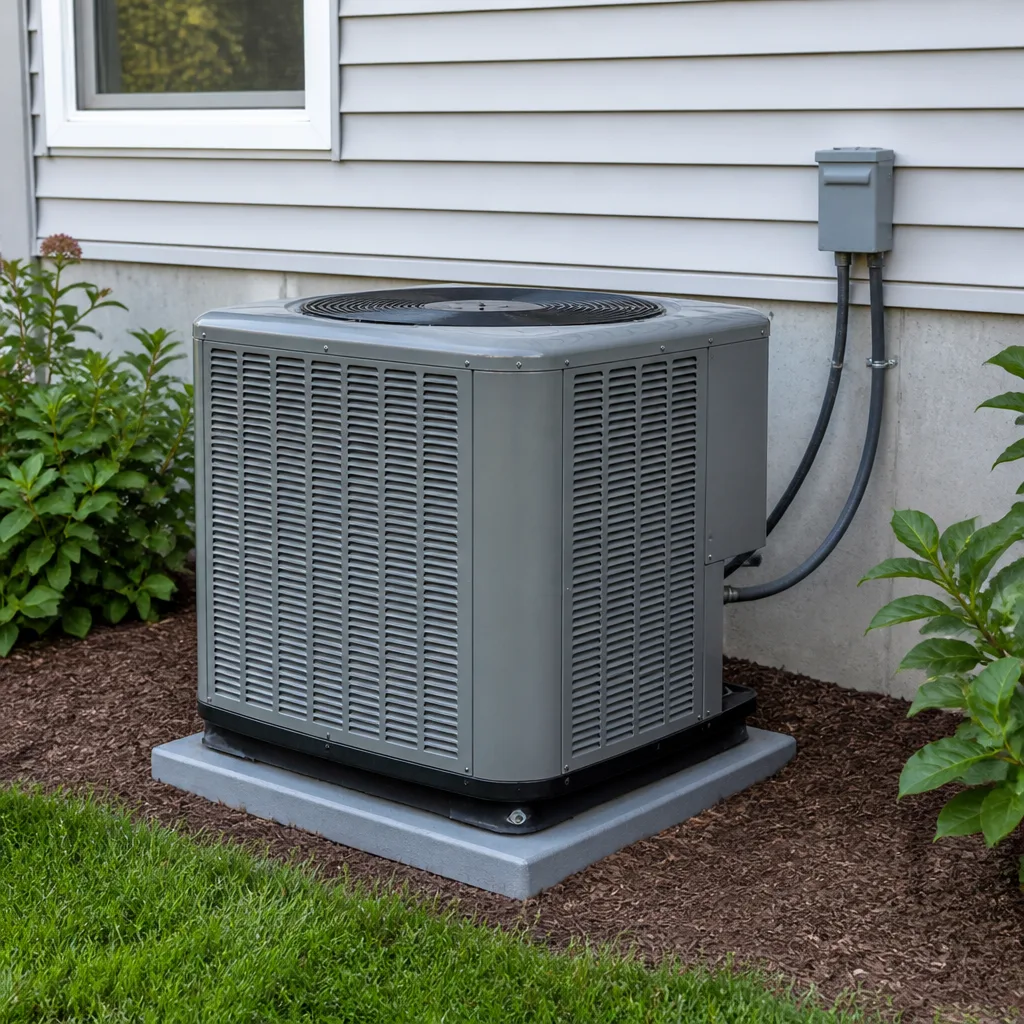 AC repair
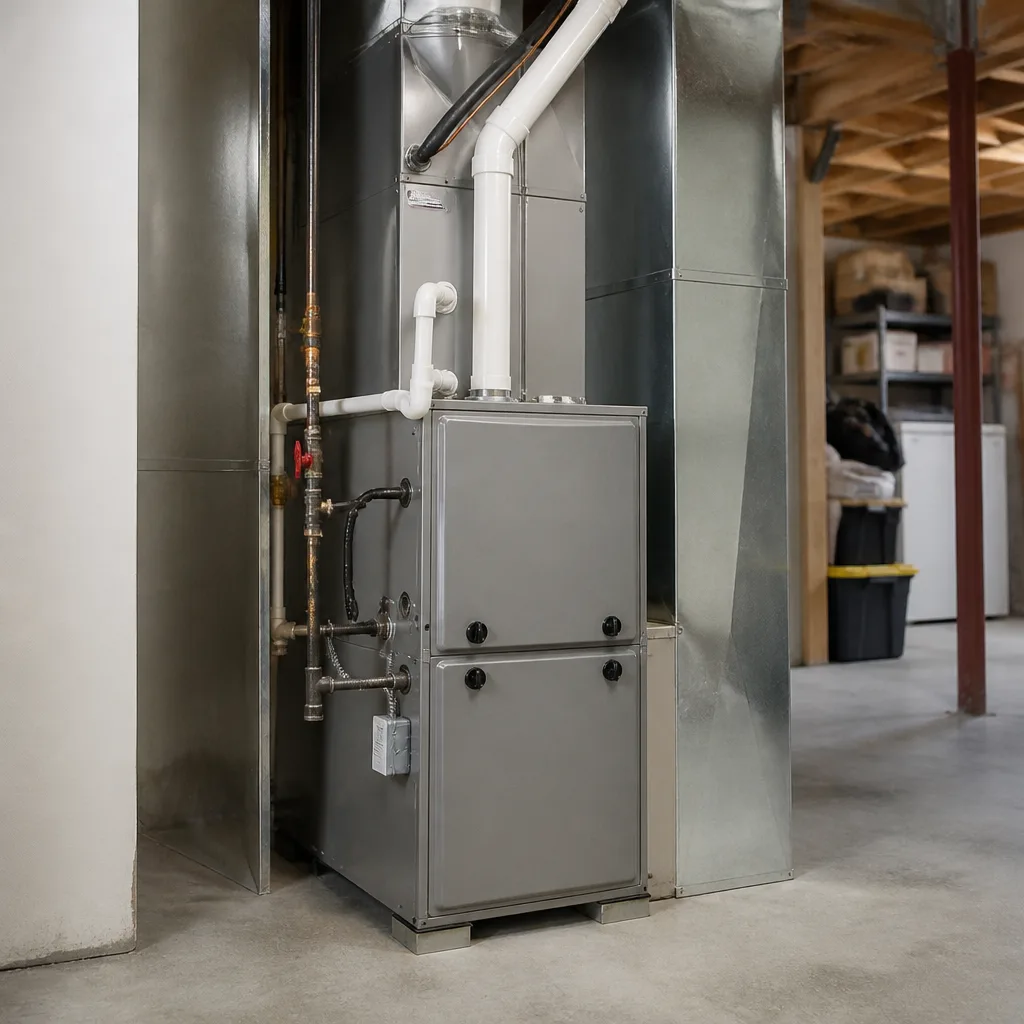 Furnace & heating
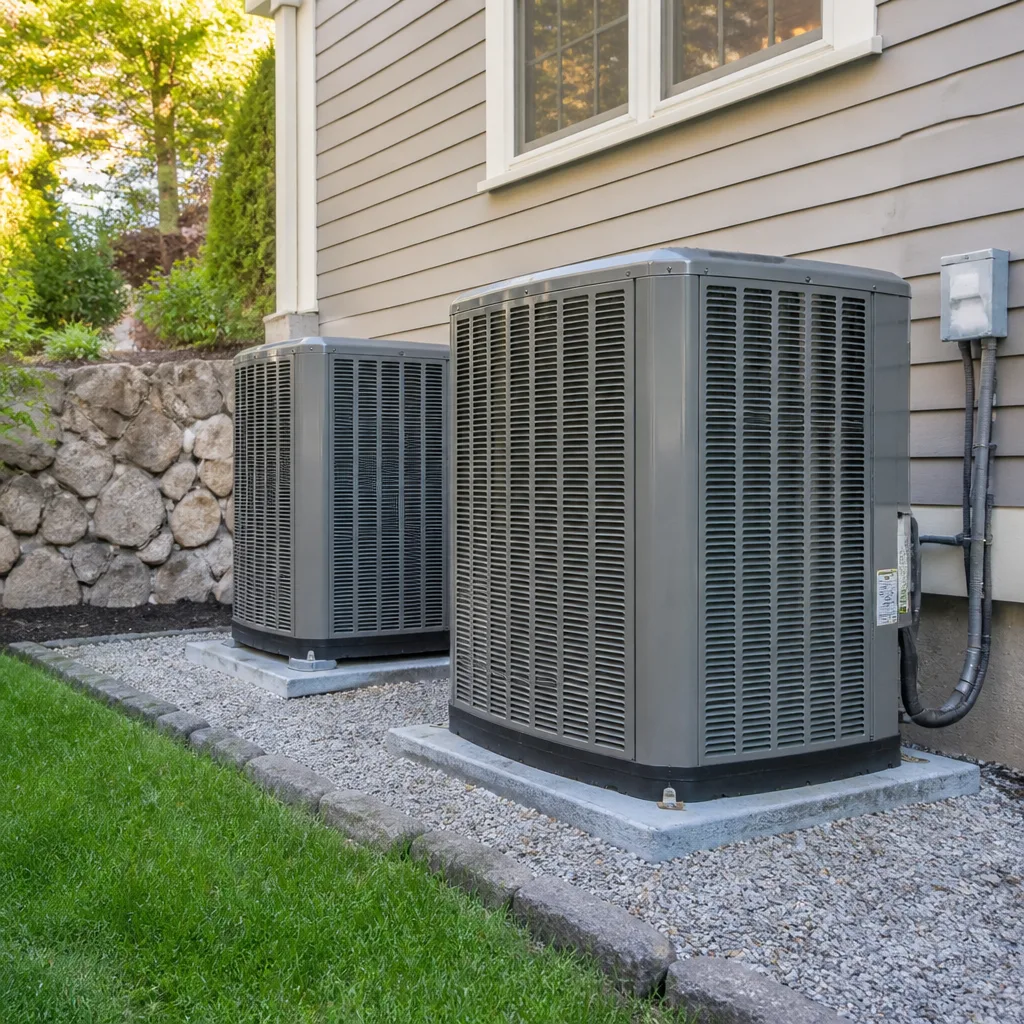 Heat pumps
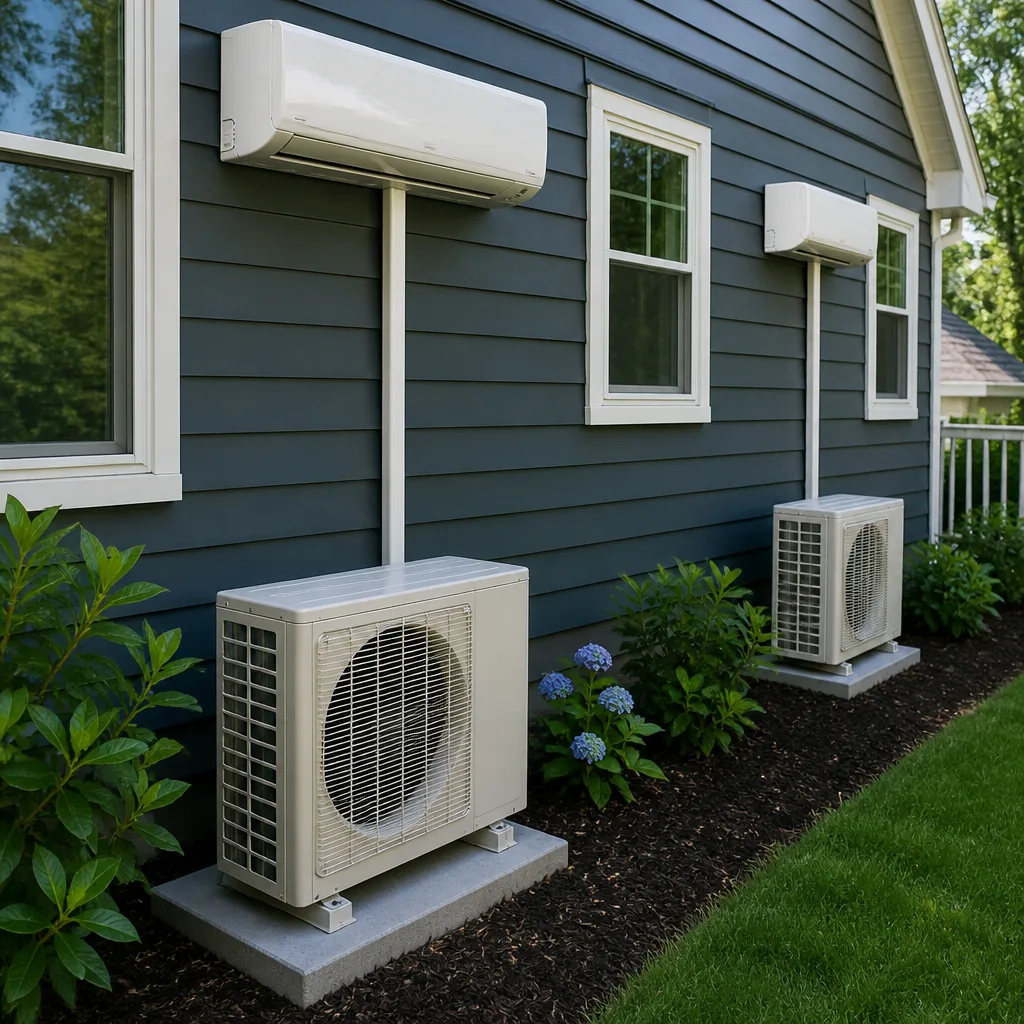 Ductless mini splits
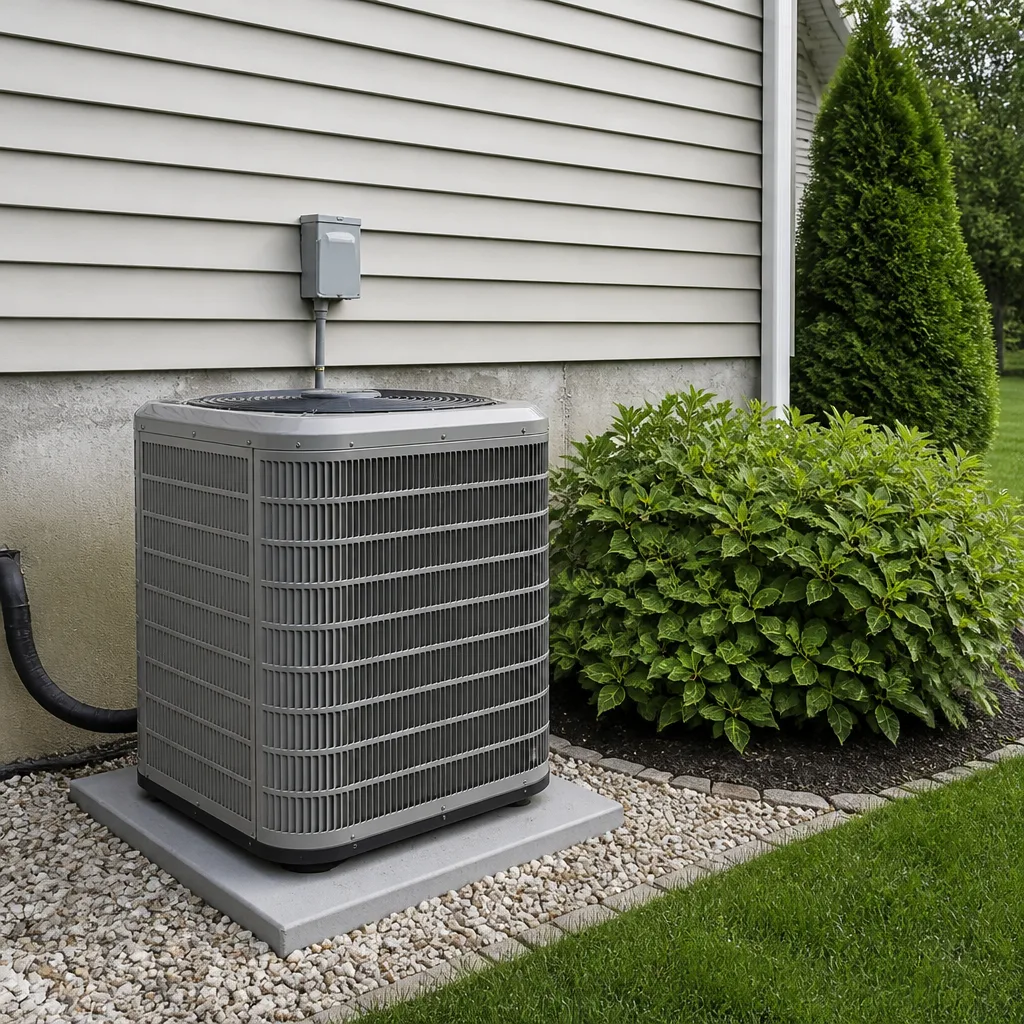 Carrier
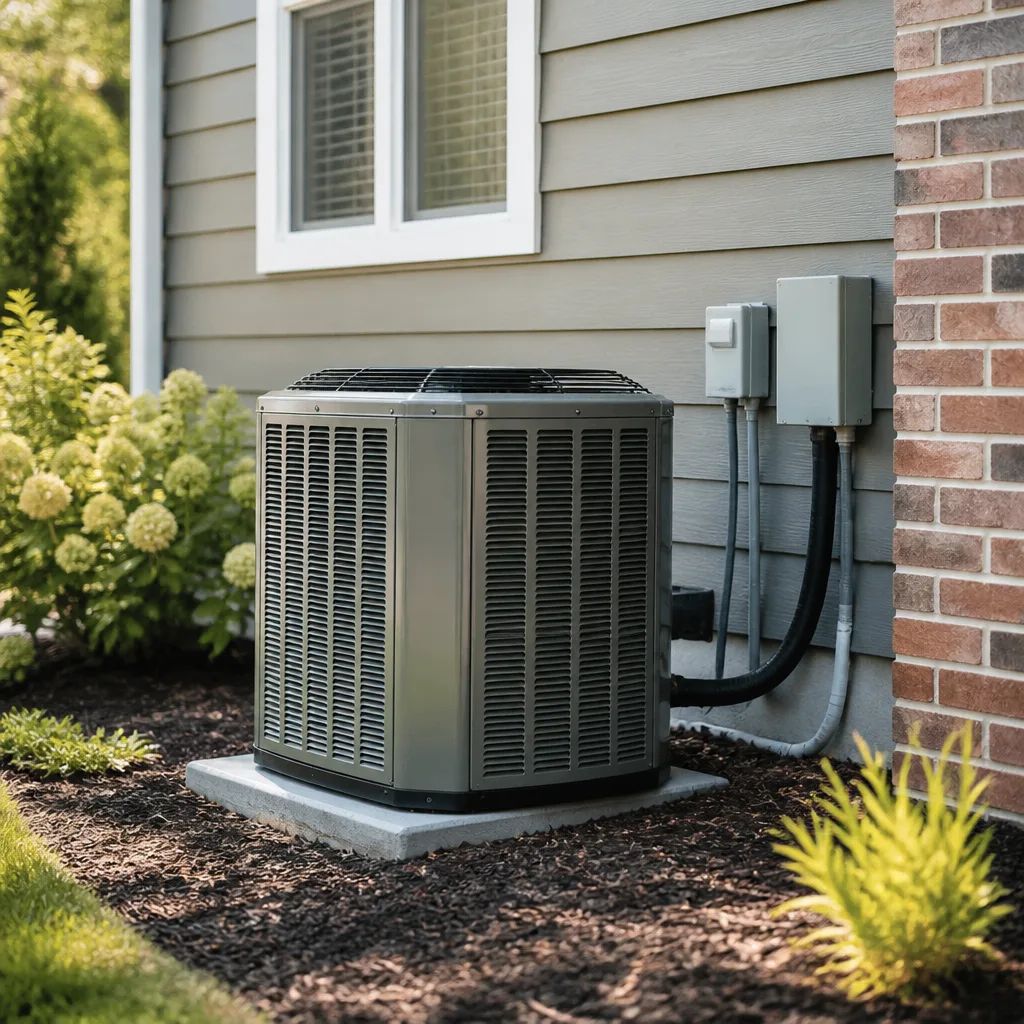 Trane
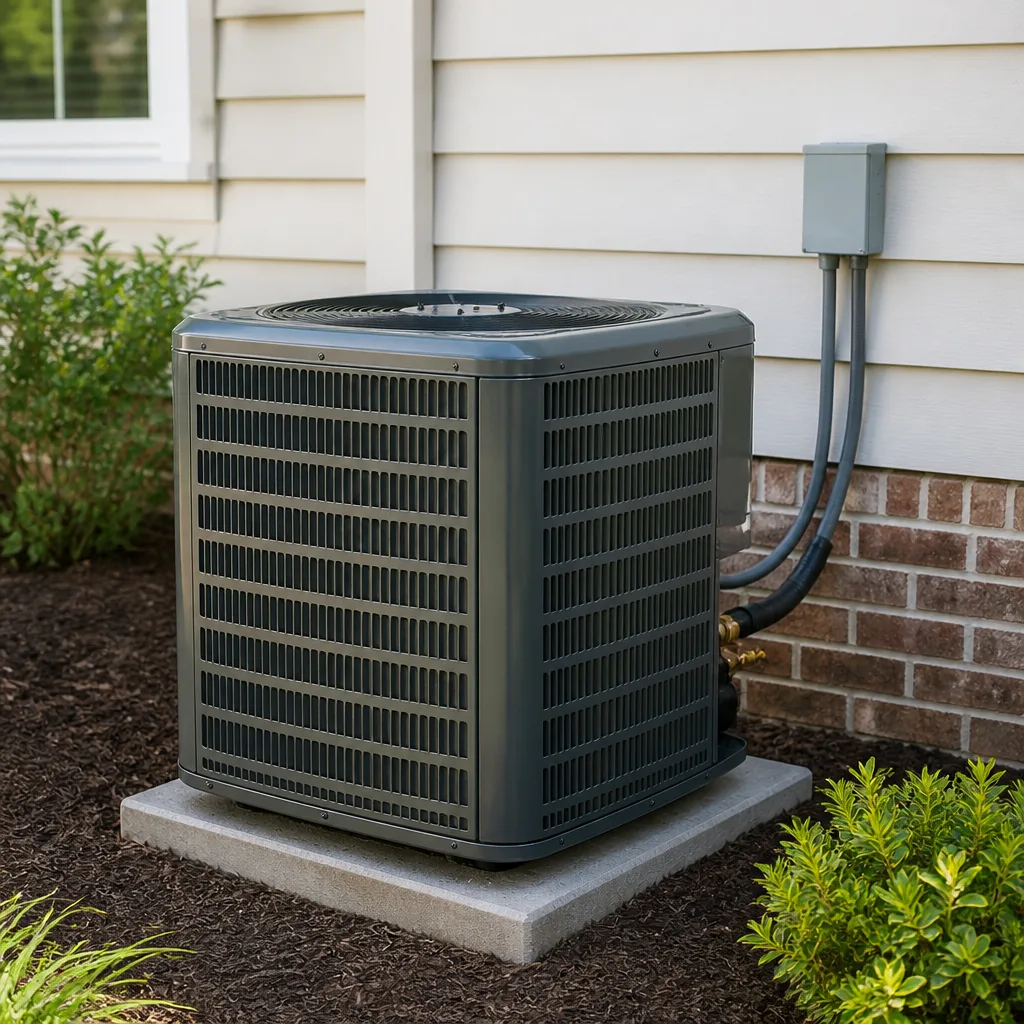 Goodman
Seasonal tune-up and full diagnostic on your Carrier, Trane, or Goodman system - readings shown to you before any repair is proposed
Diagnosis first, numbers second - you approve the repair price before a single part goes in.
Get your free estimateAC Installation Troubleshooting in Palm Coast: Common Problems and How to Fix Them
A brand-new AC system that blows lukewarm air on a 95°F Palm Coast afternoon isn’t broken. It’s almost certainly mis-installed, and that distinction matters, because the fix is completely different from a repair call. A repair puts a failed part back to working order. Troubleshooting a fresh installation means finding out where the install itself went wrong: a rushed refrigerant charge, a duct run that leaks into the attic, or a unit sized for a house that isn’t yours. Most homeowners can’t tell those three apart by feel, and that’s exactly the problem. This guide gives you the vocabulary to describe what you’re seeing, the small set of things you can safely check yourself, and a way to document it all so the conversation with your installer is productive instead of a contest of opinions.
Quick Answer
If a new AC installation in Palm Coast isn’t cooling properly, the problem is usually one of three things: an incorrect refrigerant charge, duct leakage pulling hot attic air into the supply, or a unit whose capacity doesn’t match the home’s actual load. None of these are manufacturing defects, and none are fixed by a standard repair visit. They’re installation and commissioning problems, and they fall under the installer’s workmanship rather than the manufacturer’s warranty. The right move is to document the symptoms carefully, then have the installing contractor or a second HVAC company measure refrigerant pressures, airflow, and duct leakage before touching anything else.
Styles & brands we work with
- AC repair
- Furnace & heating
- Heat pumps
- Ductless mini splits
- Carrier
- Trane
- Goodman
Table of Contents
- Why a New AC Blows Lukewarm Air
- Refrigerant Undercharge vs. an Oversized Unit
- High Humidity After Installation: The Duct Clue
- How Unit Sizing and Palm Coast Humidity Interact
- What Homeowners Can Safely Check Themselves
- What Requires a Licensed Florida Technician
- How to Document Symptoms Before You Call Back
- Workmanship Warranty vs. Manufacturer Warranty
Why a New AC Blows Lukewarm Air
When a system runs but the air at the vent feels like a fan on a warm day instead of cold air, the equipment is running but the cooling cycle is incomplete. A properly charged, properly sized system in Palm Coast should deliver air at the supply register noticeably colder than room temperature. Lukewarm air means either the refrigerant isn’t absorbing enough heat, the airflow through the coil is wrong, or the air reaching the register never came off the coil in the first place.
All three are common after a fresh install, and each one has a different cause:
- Refrigerant undercharge. The system was charged approximately rather than by weight or by measured superheat and subcooling. Common when the install happens fast and the lineset length wasn’t accounted for.
- Duct leakage into the attic. The evaporator coil is cooling air, but some of that air escapes into the attic before it reaches a register, and hot attic air is drawn back into the return.
- Oversized equipment short-cycling. The unit satisfies the thermostat quickly, shuts off, and never runs long enough to pull the space down to setpoint or wring out the humidity.
- Restricted airflow. A filter installed in the wrong slot, a supply register closed during the install and never reopened, or a return that’s undersized for the new unit.
- Thermostat wiring or configuration. A miswired reversing valve on a heat pump system, or a setting left in a test or staging mode.
Notice that only the last two are things a homeowner could plausibly spot. The first three require gauges, airflow measurement, and in some cases a duct blaster, which is why “lukewarm air” usually means a return visit from the installer rather than an emergency call. The earlier you identify which symptom you’re seeing, the faster the installer can bring the right tool. Palm Coast summers don’t usually give a mis-installed system much slack, so symptoms that seem mild in the cooler months tend to become obvious in July and August.
Refrigerant Undercharge vs. an Oversized Unit
This is the single most confusing pair of symptoms in post-installation troubleshooting, because both feel like “not cooling.” They behave differently in ways you can learn to read, and they need opposite responses. An undercharged system needs more refrigerant and a leak check if the charge has dropped. An oversized system doesn’t need refrigerant at all. It needs a smaller unit, longer run times, or a staging or variable-speed configuration that lets it run at part load.
How to tell them apart from behavior alone
- Watch the run time. An oversized unit cycles on and off frequently and the space never quite reaches setpoint. An undercharged unit typically runs constantly and also never reaches setpoint. One short-cycles, the other never rests.
- Check the humidity. An oversized unit usually leaves the house clammy because the coil doesn’t run long enough to remove moisture. An undercharged unit may dry the house out or leave it sticky depending on whether the coil is partly frozen.
- Feel the air at the supply register. An undercharged system often delivers air that’s cool-ish but never truly cold. An oversized system delivers very cold air in short bursts, then nothing.
- Listen outdoors. A severely undercharged system can cycle on low-pressure protection or hum without the compressor staying engaged. An oversized unit sounds perfectly normal, just briefly.
An undercharge is almost always an installation shortcut. Refrigerant charge is verified by measuring superheat and subcooling against the manufacturer’s chart, and a technician who skips that step or charges by gauge pressure alone can leave the system short. Refrigerant doesn’t get used up, so an undercharge on a brand-new system means it was never correct. If the same system is later found low again, that’s a leak, and the leak path may also be an install issue like a poorly brazed joint.
Oversizing is a different story. It comes from a sizing decision made before the install, usually by matching the old unit’s capacity instead of calculating the home’s actual load. In parts of Palm Coast with newer, tighter construction and good insulation, replacing like-for-like can easily put a larger unit on a house than the house needs. The remedy is a load calculation and either a smaller unit or equipment that can run at reduced capacity, not a service call.
High Humidity After Installation: The Duct Clue
A lot of homeowners notice the air coming out of the registers feels cool enough, but the house still feels sticky, and the windows sweat. When that happens right after a new AC installation, the first thing to check isn’t the equipment. It’s the ducts. Ducts that leak inside a hot Palm Coast attic don’t just lose cold air. They pull hot, humid attic air into the system, either through return-side leaks or through supply leaks that create negative pressure in the house.
Airtight ductwork in a conditioned attic space is a different animal than ductwork running through an attic that hits 130°F on an August afternoon. Every gap in a joint, every ill-fitting boot, every return plenum that wasn’t sealed adds moisture that the coil has to fight. Here’s what tends to show up:
- Condensation on the registers or supply boots. Cold air mixed with humid attic air can chill the grille below dew point.
- A musty smell at some vents and not others. A good clue that one run is leaking and another isn’t.
- Sticky floors and a clammy feel. The coil is removing what it can, but the system is bringing in new moisture every cycle.
- Rooms nearest the air handler feeling cooler than rooms at the end of the longest run. Long duct runs leak more often in the middle.
Solving this is not a refrigerant problem. It’s a duct-sealing and commissioning problem. Duct leakage testing and sealing of the accessible runs and plenums usually resolves it, and in some homes the fix is as simple as sealing a return plenum that was never taped. A homeowner shouldn’t try to climb into a Palm Coast attic in July to seal it. The heat index in an attic at midday is dangerous, and the work needs to be done with the right tape, mastic, and often a duct blaster to verify the improvement. We can’t stress that enough, because “just crawl up there and tape it” is one of the most common pieces of advice we hear repeated, and it’s a bad idea.
How Unit Sizing and Palm Coast Humidity Interact
Oversizing is a humidity problem dressed up as a temperature problem, and Palm Coast’s climate punishes it. A system that’s too large cools the house to setpoint fast, shuts off, and lets humidity climb back up while it waits for the next call. The temperature on the thermostat looks right. The house doesn’t.
The right way to size equipment, and the only way a professional should, is a load calculation that accounts for the home’s insulation, windows, orientation, air leakage, and internal heat gains. Replacing a unit based on the tonnage stamped on the old one is a habit, not a calculation. Here’s what a proper sizing decision looks like from the homeowner’s side:
- A load calculation is performed before equipment is selected. If you weren’t shown one, ask for it. It takes time and it should be part of the proposal.
- Duct design is reviewed alongside sizing. A smaller system on undersized ducts starves for airflow, and a larger system on undersized ducts roars.
- The proposal explains why this capacity fits this house. Brand-neutral recommendations are a good sign. If the conversation keeps circling back to one manufacturer, ask why.
- Consider staging or variable-capacity equipment where load calculations support it. These run at part load most of the time, which means longer run times, better dehumidification, and quieter operation.
Whether you end up with Lennox, Goodman, Rheem, or York, the sizing decision matters more than the badge on the cabinet. A correctly sized Goodman system will outperform an oversized premium brand every summer in Palm Coast. That’s not a knock on premium equipment, it’s just how HVAC physics works. Our technicians have up to 13 years of experience and we work on nine major brands, which means our recommendations come from the load calculation and the duct design, not from whatever we happen to sell the most of.
If you’re planning equipment selection right now, our AC installation page walks through what a proper install and commissioning process involves. If you’re further out and just want to understand what a good install looks like before you sign, that’s the page to read before you take bids.
What Homeowners Can Safely Check Themselves
There’s a narrow set of things you can check after a new AC installation without opening a panel or touching refrigerant. All of them are non-invasive, and all of them are things a technician would want you to have already checked before scheduling a callback. None of them involve the refrigerant circuit, the electrical panel, or anything inside the air handler.
- Confirm the thermostat is in Cool and the setpoint is below room temperature. Obvious, but it’s the most common “not cooling” call. Confirm the fan setting is Auto, not On. Fan On runs the blower constantly, which pushes humidity back into the house and makes the air feel warmer than it is.
- Find the air filter and check its position and orientation. A filter installed backward, or a filter that was meant for the return grille but stuffed into the air handler slot, restricts airflow. Confirm the arrow points in the direction of airflow.
- Look at the outdoor disconnect box. Every outdoor unit has a disconnect switch nearby, and after installation, it’s occasionally left off. If the outdoor unit isn’t running at all and the thermostat is calling for cool, that’s worth checking.
- Check the breaker for the air handler and the condenser. Two separate breakers are common. Reset each once if tripped, and if either trips again, stop and call a technician.
- Feel the airflow at each supply register. Note any registers that feel much weaker than others, or any that seem to be blowing warm. Closed supply registers are surprisingly common after installation.
- Note the humidity. If the home feels sticky while the temperature hovers near setpoint, that points to a different problem than lukewarm air, and it’s worth mentioning separately.
Write down what you find. You’re not fixing anything, you’re gathering evidence, and it changes the conversation. If you do need someone out in Palm Coast to look at it, call (855) 360-7379. We answer 24/7. Fast dispatch from 7am to 7pm, Sunday through Friday.
What Requires a Licensed Florida Technician
Refrigerant handling is regulated in Florida. Adding or recovering refrigerant, checking charge, and diagnosing the refrigerant circuit all require a properly licensed technician, and this is one of the clearest lines in HVAC work. Refrigerant is handled under EPA rules nationwide, and the state adds its own licensing requirements on top. This isn’t a technicality. Refrigerant can cause frostbite and displacement of oxygen in a confined space, and the recovery and charging equipment needs to be used correctly to keep the system from being contaminated.
The things that require a licensed tech include:
- Adding, recovering, or measuring refrigerant charge
- Brazing or repairing a refrigerant line or coil
- Opening the air handler or condenser electrical panel
- Diagnosing or replacing a compressor, contactor, capacitor, or control board
- Modifying ductwork beyond cosmetic sealing of accessible joints, and in most cases even that, given attic heat
- Wiring the thermostat if the low-voltage wiring needs to be re-run
Two safety notes worth stating plainly. First, the electrical panel and the capacitor in the outdoor unit can hurt you badly even after the power is off, and a technician’s job is to know which parts are still live. Second, the attic space in Palm Coast during the summer reaches temperatures that are genuinely dangerous and can rise within minutes. If a duct job means time in an attic, it’s work for a technician, not a homeowner. There is no version of this where climbing into a 130°F attic to save a service call is worth the risk, and a licensed tech will know how to work in that environment safely and quickly. Our team works across nine major brands, including Lennox, Goodman, and Rheem, so the technician who arrives will know the equipment already installed in your home rather than reading a manual on the spot.
How to Document Symptoms Before You Call Back
A callback after installation often goes sideways because both sides are describing the same symptom with different assumptions. The homeowner says “it’s not cooling.” The installer checks refrigerant pressure and finds it in range, concludes the equipment is fine, and leaves. A week later the homeowner calls back. Nothing has been fixed.
The way out of that loop is to write down specifics, in numbers and times, so the installer has something to respond to. Here’s what to capture:
- Setpoint and actual temperature at the thermostat at several points during the day. Note whether the system reaches setpoint, holds it, or falls behind by afternoon and catches up overnight.
- Run-time observations. Are you hearing the outdoor unit cycle on and off several times an hour, or does it run continuously? Both are diagnostic.
- Supply air temperature feel. Not a measurement, but a description: burst of cold then nothing, versus continuous cool-but-not-cold, versus room temperature.
- Indoor humidity feel and any visible condensation. Windows sweating, registers sweating, sticky floors.
- Filter condition and change date. Include the last filter change and the type used.
- Anything unusual after the install. New noise, new smell, rooms that used to be fine now not being fine.
- Which rooms are affected. Whole house or specific rooms tells the installer where to look first.
Email or text that list to the installer, and keep a copy. If the problem is still there after a callback, a written record makes it much easier to ask for the specific tests that will reveal the cause: refrigerant charge verification by superheat and subcooling, static pressure and airflow measurement, and duct leakage testing. If the installer is not measuring any of those, that’s the signal to get an independent opinion. We’re not here to point fingers at other contractors, but we can say that a professional diagnosis has measurements behind it. If you’re looking for that second look in Palm Coast, we’re set up for it. If you’re also thinking about the heating side of the house in the same visit, our furnace repair service keeps the whole system under one team.
Workmanship Warranty vs. Manufacturer Warranty
The two warranties on a new AC installation cover different things, and mixing them up is how homeowners end up with a bill they didn’t expect. The manufacturer’s warranty covers the equipment: a defective compressor, a failed control board, a leaking coil from a factory defect. The installer’s workmanship warranty covers the installation itself: the charge, the brazing, the connections, the electrical, the commissioning. Most post-installation cooling problems are workmanship problems, and that means the installer is the correct contact even though the equipment is new.
Where homeowners get into trouble is by attempting a repair themselves after a short troubleshooting session. Anything done to the refrigerant circuit, electrical components, or duct modifications performed outside the manufacturer’s specifications can affect a warranty claim, and most manufacturers require work to be done by a licensed technician for the equipment warranty to stay in force. If a homeowner adds refrigerant themselves, that’s a refrigerant violation as well as a warranty issue. The safe move, and the one that keeps coverage intact, is to leave the system alone once you’ve done the checks in the self-check section, and call the installer or a licensed tech.
It’s also worth knowing who is actually responsible when a fix takes a second visit. Vague workmanship warranties that only “cover labor” aren’t specific enough. Ask the installer what the workmanship warranty period is in writing, what it covers, and whether the commissioning records (charge, airflow, duct leakage) are provided. Ask the manufacturer what the equipment warranty period is for the specific model, since it varies. Don’t rely on what a salesperson said at bid.
For a fuller picture of how a proper commissioning process works and what a written install agreement should include, the main Sycamore AC Repair page explains how we approach installation, repair, and honest repair-or-replace decisions. If you’re comparing local contractors, our Palm Coast page covers how installations in this climate tend to differ from what generic HVAC advice assumes.
Common Mistakes to Avoid
- Assuming “brand-new” means “no problems.” A new system is new equipment, but the install process is where most problems originate. Knowing that shifts where you look first.
- Calling the warranty number on the equipment before the installer. A mis-installed charge or a leaky duct boot is a workmanship issue, not a factory defect. Start with the installing contractor and document your symptoms.
- Trying to seal ducts in the attic yourself. Palm Coast attics hit temperatures that are genuinely dangerous in summer, and duct tape applied over a still-hot joint often fails within a season. Leave it to a licensed tech.
- Adding a filter inside the air handler when the system has a filter grille. Double filtration restricts airflow and makes a new system look like it’s underperforming. One filter, in the right location.
- Running the thermostat fan setting on “On.” It circulates air constantly, which pushes humidity back into the house and makes the system feel like it’s not keeping up when it is.
- Accepting a “we’ll check it” without any measurements on the callback. Ask what was measured. Superheat, subcooling, external static pressure, and duct leakage are the tests that find install problems.
- Choosing equipment based on brand name before the load calculation. Sizing comes first, brand comes second. Reversing that order is the root cause behind most oversized systems in Palm Coast.
See the difference
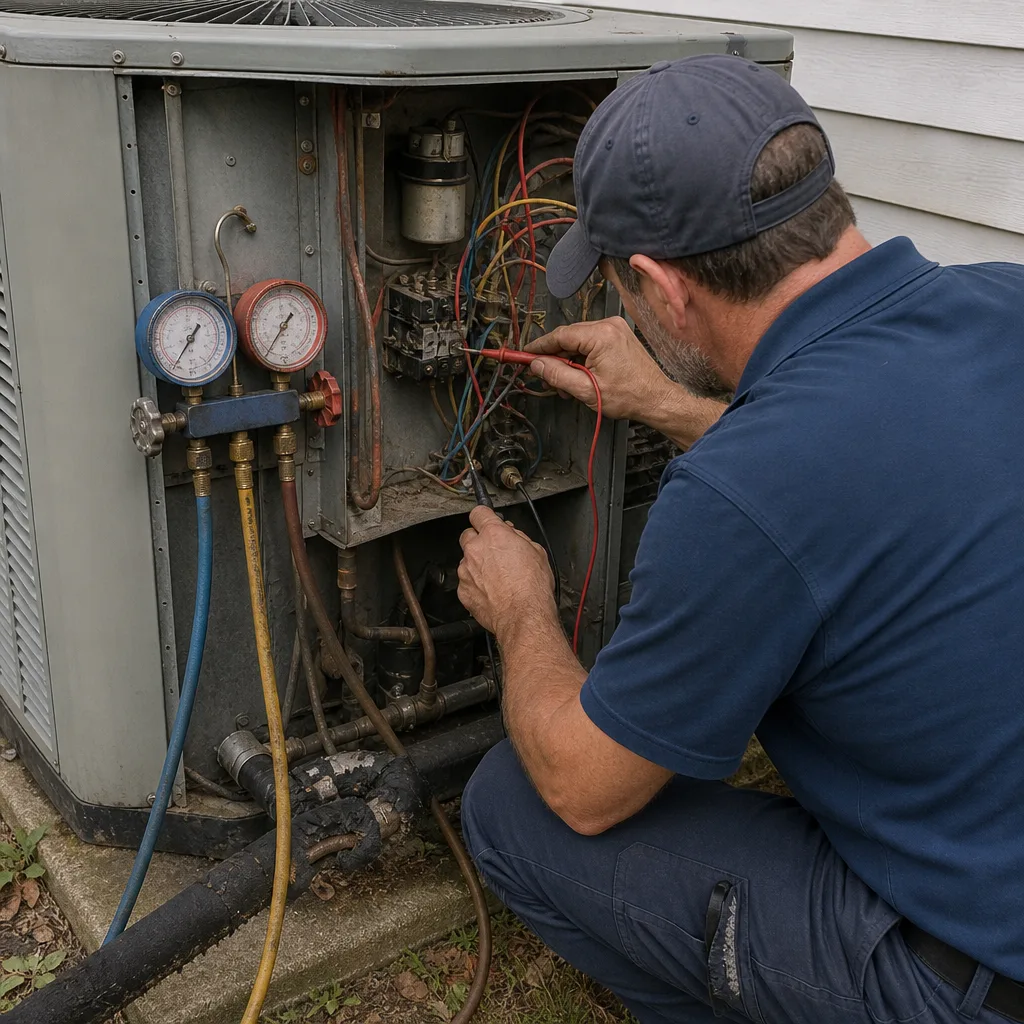 Before
 After
 Before
 After
 Before
 After
When to Call a Professional
Call a professional if the outdoor unit isn’t running at all after checking the disconnect and breakers, if you see ice on the refrigerant lines or the indoor coil, if you smell electrical burning near the air handler, if you hear rattling or scraping from the outdoor unit, or if the system has been running eight hours straight in Palm Coast heat and the house is above setpoint. Call today if the humidity is climbing and the temperature isn’t. Those patterns point at refrigerant, electrical, or airflow problems that can’t be solved from a thermostat. If you’re unsure, a phone conversation is free. We answer 24/7. Fast dispatch from 7am to 7pm, Sunday through Friday. Call (855) 360-7379 for a free estimate. We’ll measure before we recommend anything.
Frequently Asked Questions
Most of the time it’s one of three installation issues: the refrigerant charge is wrong, the ducts leak into the attic, or the unit is oversized for the home’s actual load. All three are workmanship problems rather than defects, and all three are fixed by measuring and correcting the install rather than by swapping parts. Call (855) 360-7379 for a diagnostic visit that includes charge, airflow, and duct checks. Estimates are free.
No. Refrigerant handling requires EPA certification and a Florida license, and the gauges, recovery equipment, and refrigerant itself present serious hazards if misused. What you can safely check are the thermostat settings, the air filter, the outdoor disconnect, the breakers, and the airflow at each register. Beyond those, call a licensed technician. Call (855) 360-7379. We answer 24/7.
A correctly sized system runs long cycles and holds setpoint through the hottest part of the day. A system that short-cycles several times an hour in mid-afternoon is usually oversized, and a system that runs continuously without reaching setpoint is often undercharged or starving for airflow. Both are worth documenting with times and temperatures before you call back. Call (855) 360-7379 for a free estimate if you’d like an independent look. We answer 24/7.
Humidity that stays high after a new install usually points to duct leakage pulling attic air into the system, or to an oversized unit that doesn’t run long enough to dehumidify. In some cases it’s both. Duct leakage testing and a load calculation reveal which one applies. Call (855) 360-7379 for a free estimate. Fast dispatch from 7am to 7pm, Sunday through Friday.
It can. Anything done to the refrigerant circuit, electrical components, or duct modification performed outside the manufacturer’s specifications can affect a warranty claim, and most equipment warranties require licensed work. The safe approach is to do the non-invasive self-checks, document what you find, and leave the rest to a licensed technician. Call (855) 360-7379 with questions before you touch anything.
If the original installer has been back once and still hasn’t measured superheat, subcooling, external static pressure, or duct leakage, a second opinion is worth having. A properly documented diagnosis includes those numbers. Call (855) 360-7379 for a free estimate and an independent assessment. We answer 24/7. Fast dispatch from 7am to 7pm, Sunday through Friday.
The Bottom Line
Almost every “not cooling” complaint after a new AC installation in Palm Coast traces back to one of three root causes: a rushed refrigerant charge, duct leakage into the attic, or a mismatch between the unit’s capacity and the home’s actual load. Learn to tell them apart by behavior. An undercharged unit runs constantly and never gets cold enough. An oversized unit short-cycles, cools in bursts, and leaves the house humid. Duct leakage makes registers sweat and certain rooms clammy. Check what you can safely check, document the symptoms in times and temperatures, and insist on measurements from whoever comes out. No matter what brand is in your home, including Lennox, Goodman, Rheem, or York, our technicians have up to 13 years of experience working on the equipment you already own. Call (855) 360-7379 for a free estimate. We answer 24/7. Fast dispatch from 7am to 7pm, Sunday through Friday.
Written by the team at Sycamore AC Repair.