
Last updated November 16, 2026
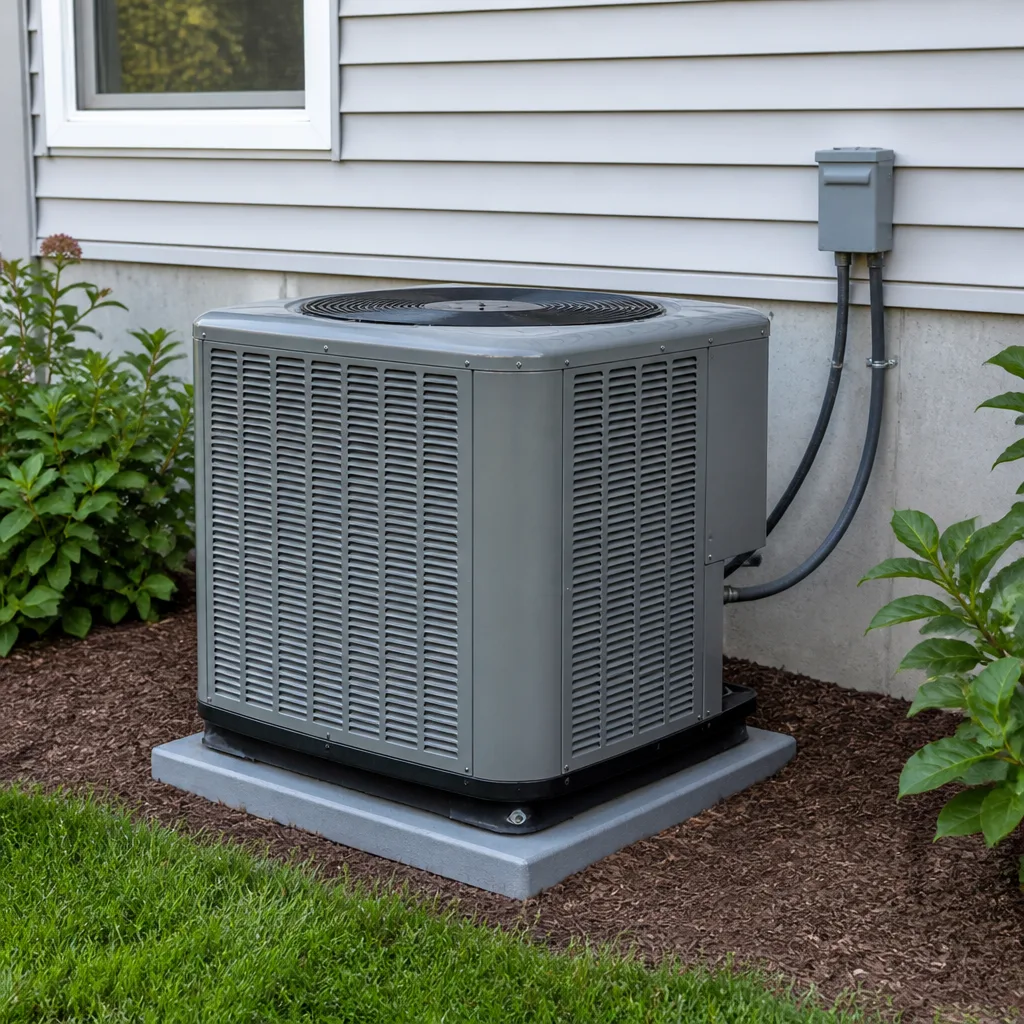 AC repair
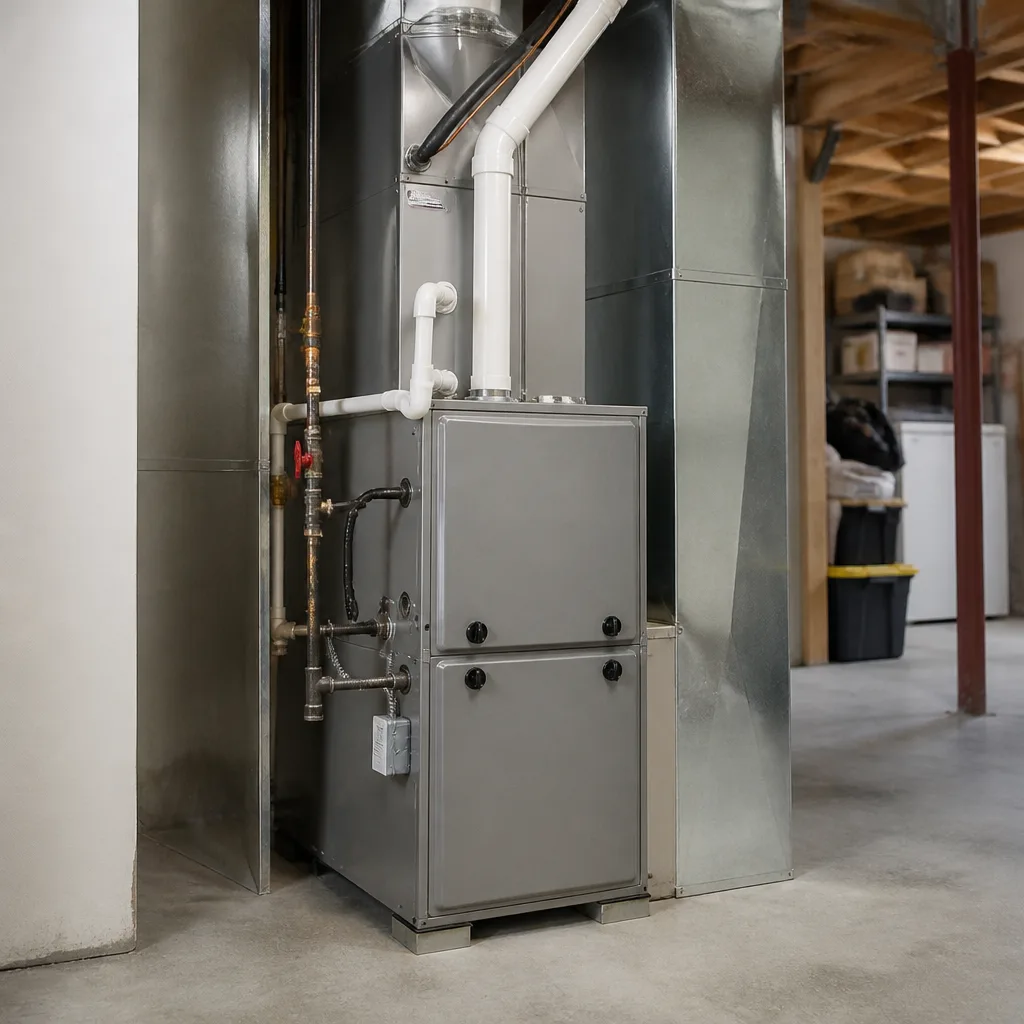 Furnace & heating
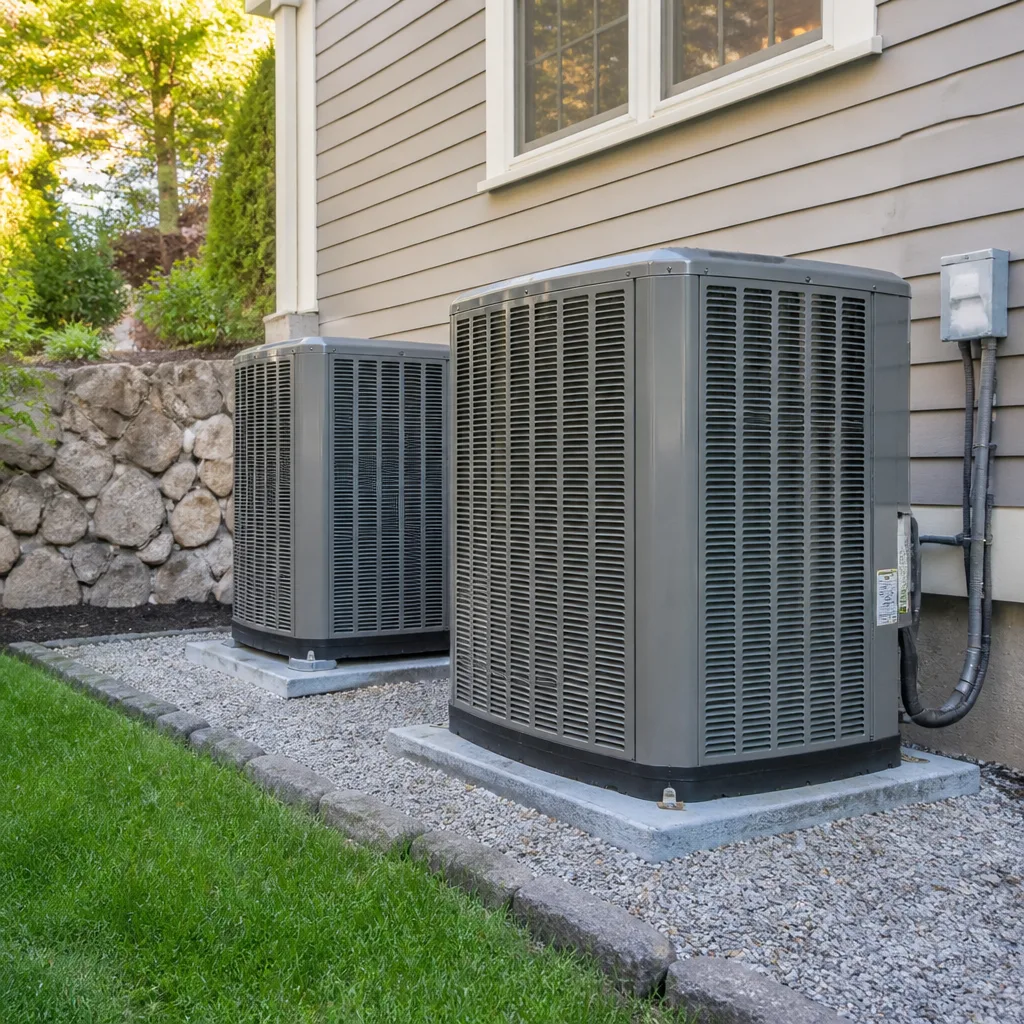 Heat pumps
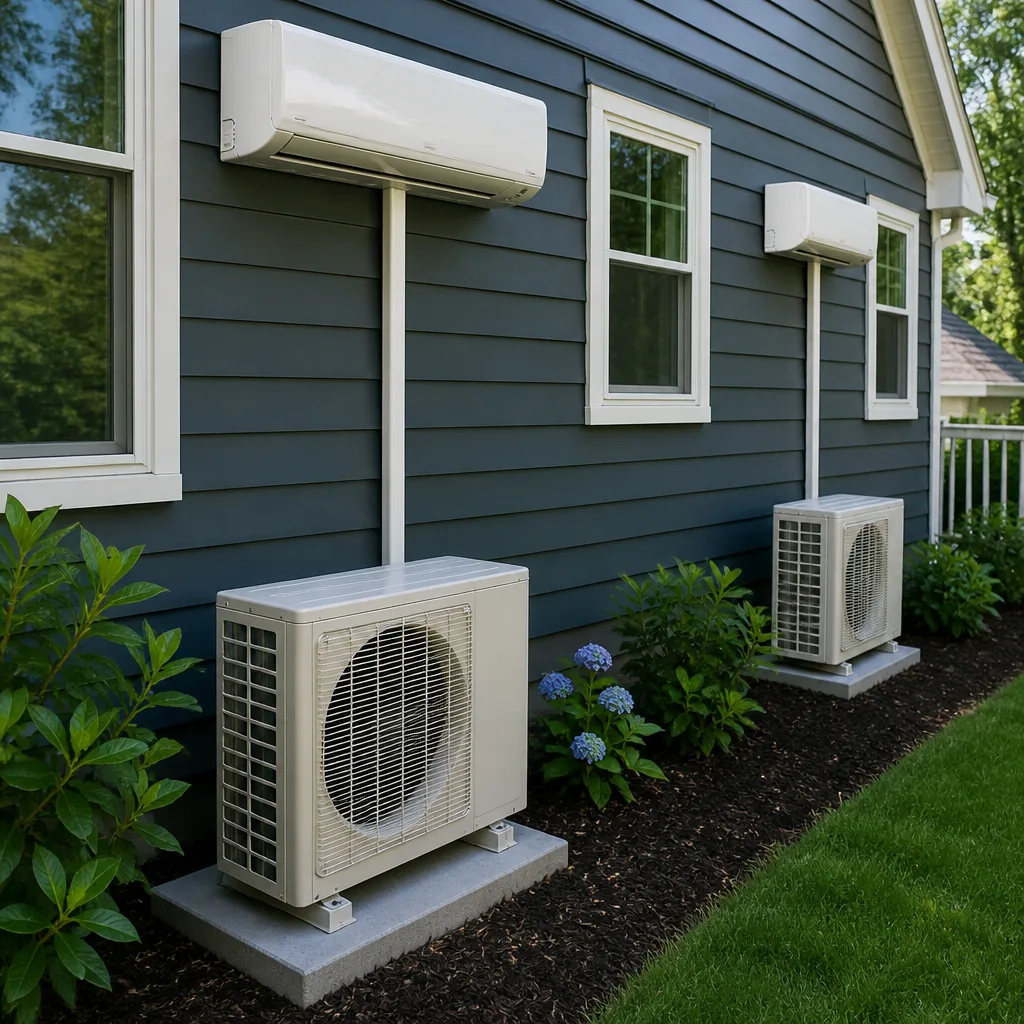 Ductless mini splits
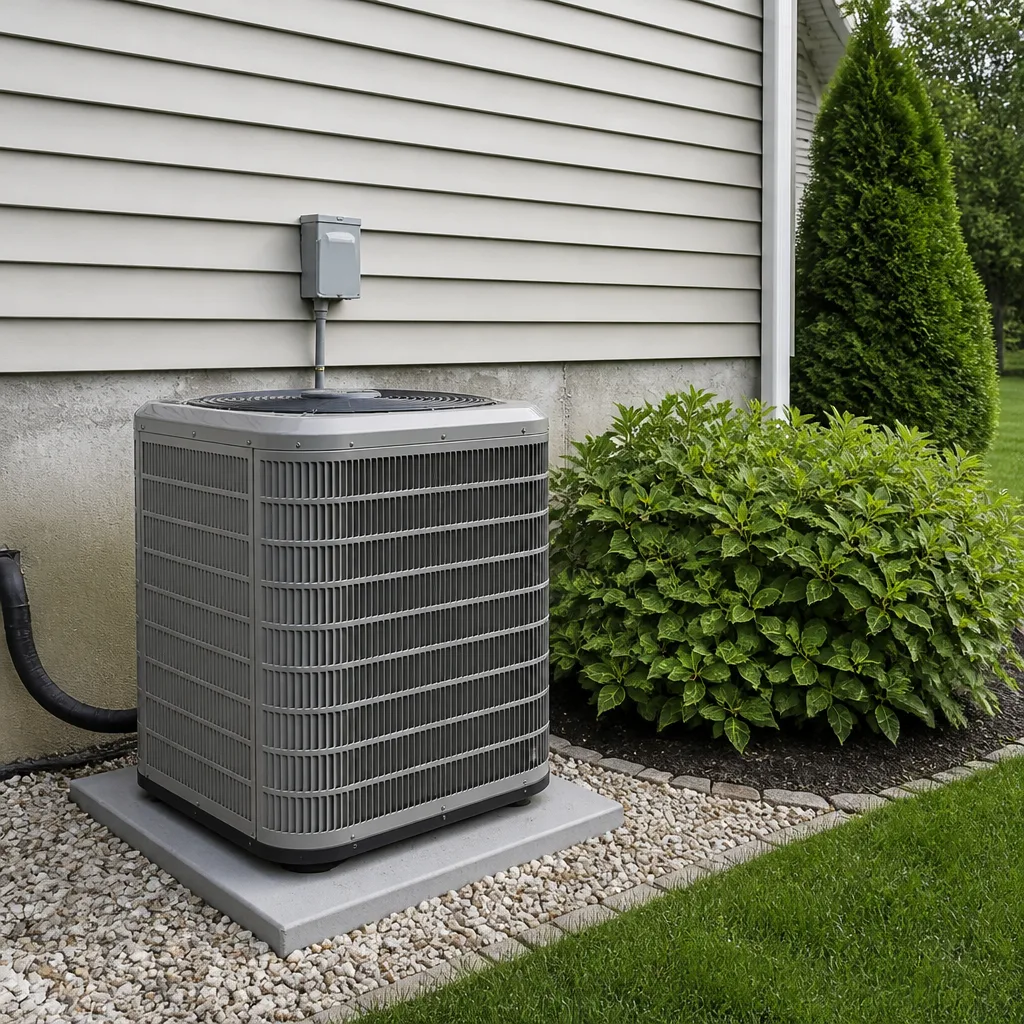 Carrier
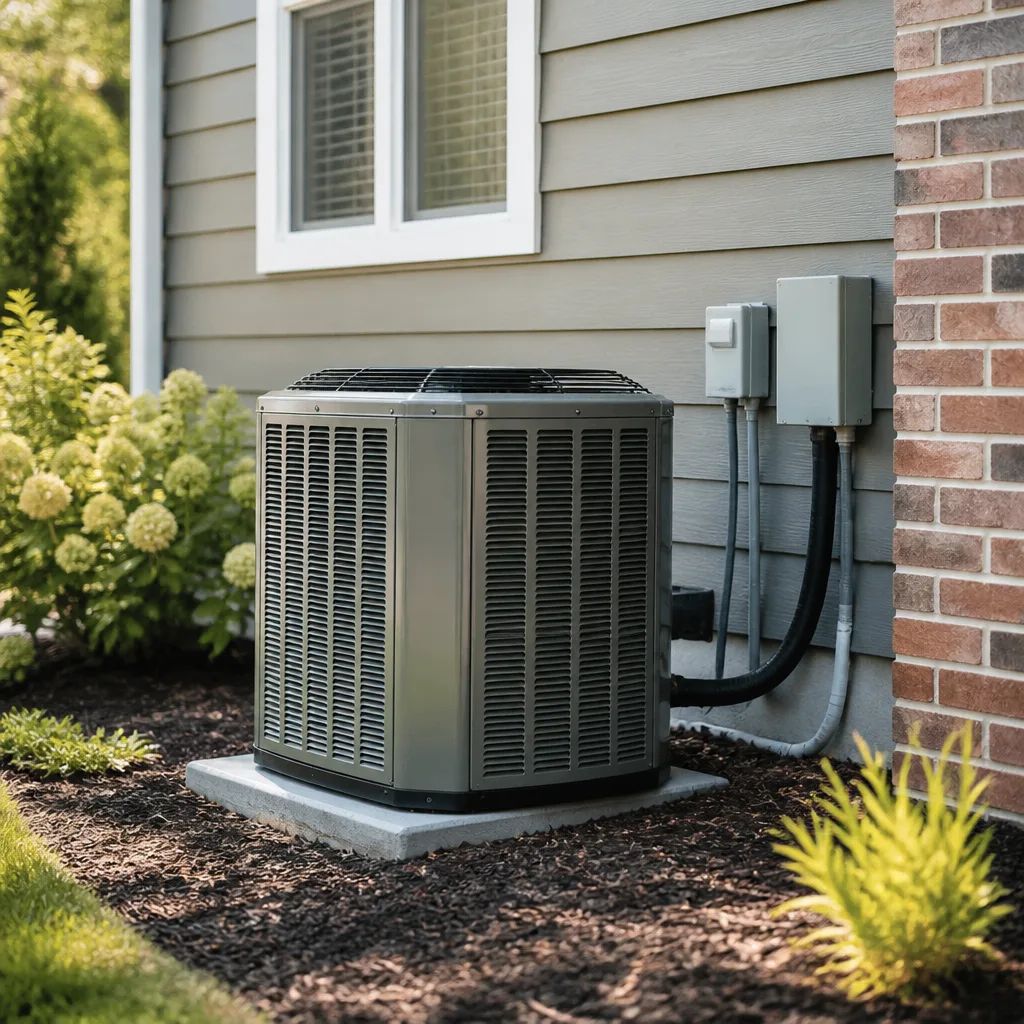 Trane
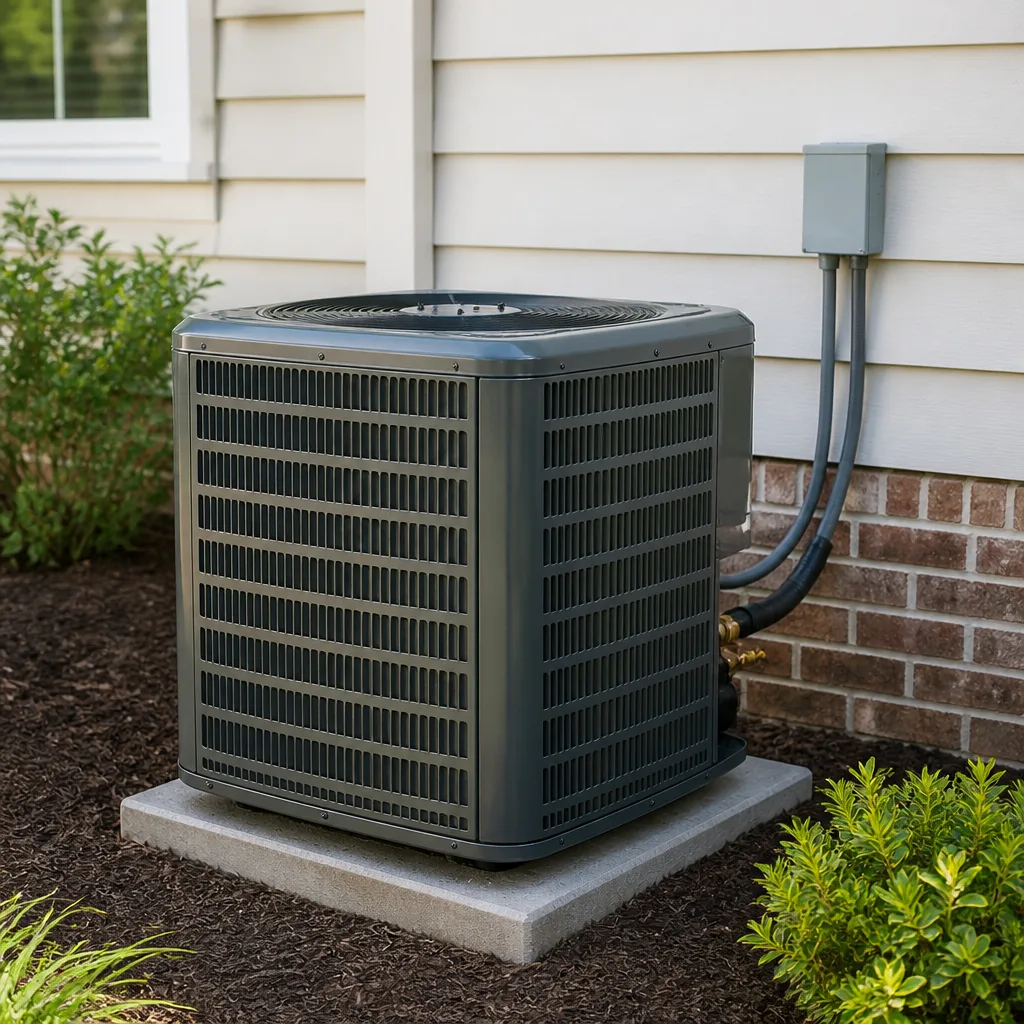 Goodman
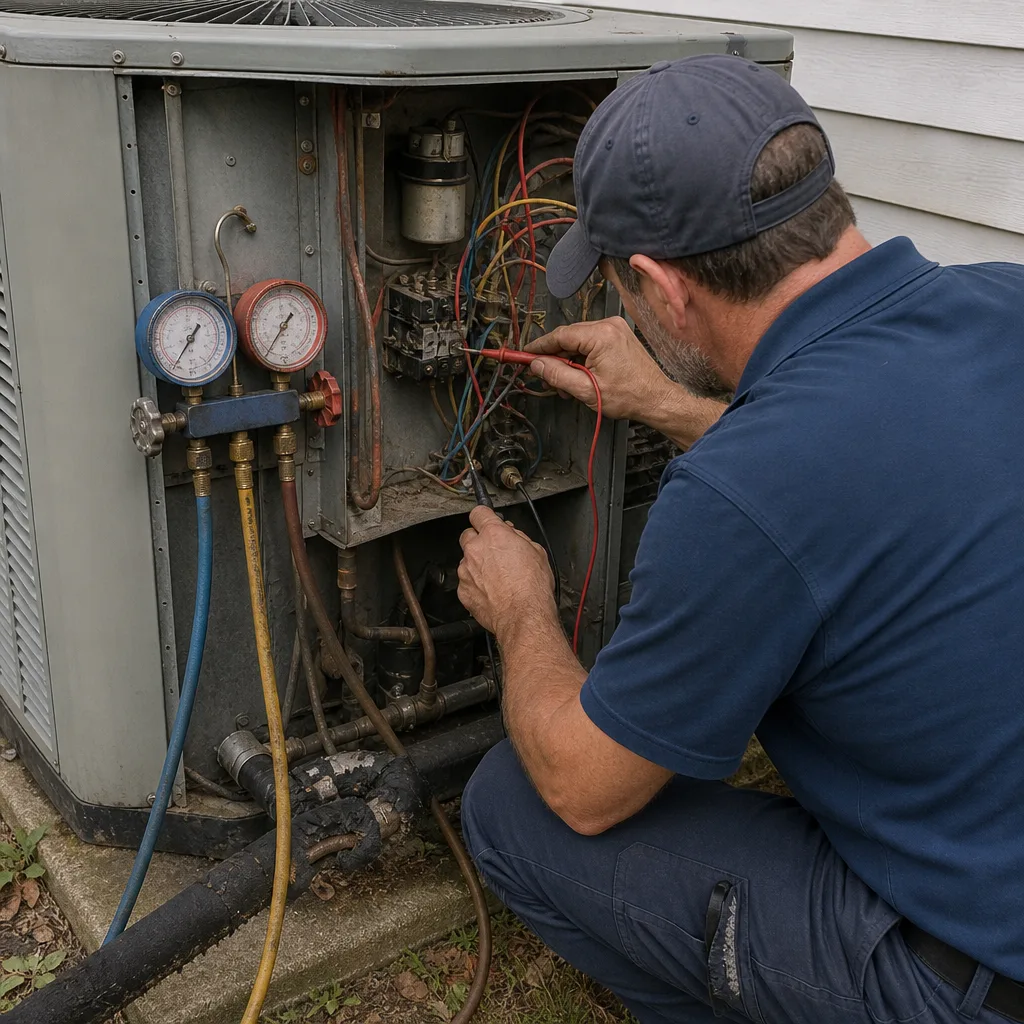
Seasonal tune-up and full diagnostic on your Carrier, Trane, or Goodman system - readings shown to you before any repair is proposed
Diagnosis first, numbers second - you approve the repair price before a single part goes in.
Get your free estimateChoosing the Right HVAC Brand: A Buyer’s Guide for Palm Coast
Nine out of ten homeowners who ask “which AC brand is best?” are really asking the wrong question. Brand loyalty in HVAC is almost always the contractor’s loyalty, not yours. The name on the equipment matters far less than whether the coil can survive salty air, whether parts are sitting on a shelf nearby, and whether the warranty actually covers what it seems to promise. Here in Palm Coast, those three factors decide more outcomes than a national TV ad ever will. This guide teaches you to evaluate brands the way a brand-agnostic technician does: on coastal suitability, local parts availability, and warranty terms that survive contact with reality.
Quick Answer
The best HVAC brand for a Palm Coast home is the one with a factory-coated coil option, parts distribution close enough to get you fixed quickly, and warranty terms that explicitly cover corrosion. There’s no universally “best” brand; Carrier, Trane, Lennox, and American Standard all build equipment suitable for this climate, but the right pick depends on your neighborhood’s exposure, your budget, and how long you plan to stay. Judge brands on coastal engineering and local support, not national reputation.
Styles & brands we work with
- AC repair
- Furnace & heating
- Heat pumps
- Ductless mini splits
- Carrier
- Trane
- Goodman
Table of Contents
- The Coastal Corrosion Standard
- Parts and Service Availability Near Palm Coast
- How to Read a Manufacturer Warranty
- A Brand Comparison Framework
- Why Your Neighborhood Changes the Answer
- How to Evaluate a Brand in Five Steps
- Why We Stay Brand-Neutral
- Common Mistakes to Avoid
The Coastal Corrosion Standard
Copper coils and salt-heavy air are a bad match. The outdoor coil on your condenser sits in the elements year-round, and the copper tubing and aluminum fins on a standard coil begin to pit and corrode faster in humid, salt-influenced air than they would inland. That’s why the first question a brand-agnostic technician asks about a new system near Palm Coast is not “which name do you like?” but “does this model offer a factory-coated or stainless-steel coil option?”
Not every brand makes that option available across its full lineup. Carrier and Trane both offer factory-coated coil configurations on their higher-end residential units, and American Standard carries similar protected-coil variants on select models. The coating is not a gimmick. It’s a physical barrier between the copper and the surrounding air, and it changes how the coil behaves over time in a humid environment.
What corrosion actually does
- Pits form on the copper tubing, which weakens the tube wall and eventually leads to a refrigerant leak.
- Aluminum fins oxidize and break away, reducing the surface area that transfers heat.
- Microbial growth thrives on damp coil surfaces, which cuts airflow and can cause odor issues.
- Leaks mean lost refrigerant, lower efficiency, and, in the worst case, a compressor that runs itself to failure.
We’ve seen this play out on plenty of Palm Coast installations where the equipment was correctly sized but the coil wasn’t the right fit for our environment. A system that would last fifteen years inland can show significant coil degradation far sooner in a Florida home. Choosing a coil that’s engineered for humid, salt-influenced air is not an upsell – it’s a shorter lifespan you’re buying back.
One piece of context that matters: “coastal” in HVAC terms doesn’t just refer to the beach. Humidity loads, airflow patterns, and the surrounding vegetation all interact with coil materials. Homes set back in the woods and homes on open lots get different exposures even if they’re a mile apart.
Parts and Service Availability Near Palm Coast
Your brand’s reputation in a showroom means nothing when the blower motor fails and the nearest parts warehouse is three counties away. This is the second filter a brand-agnostic technician applies, and it’s the one homeowners almost always overlook. Because Palm Coast is a midsized market, the brands that keep parts close to Flagler County are the brands that get your system running faster.
What “parts availability” really means
Every major manufacturer has a distributor network. The question is whether that network has a location that stocks common components for your model: capacitors, contactors, blower motors, control boards, and coils. When parts have to be pulled from Orlando or Jacksonville, the repair stretches from an afternoon into a multi-day wait, and in the July heat that difference is measured in discomfort and hotel stays.
The brands that are typically well-supported locally
Carrier, Trane, Lennox, Rheem, and Goodman all have distributor relationships that reach into this part of Florida. That’s one reason we’ve stayed certified across all nine major brands rather than specializing in one: it lets us work on whatever equipment you already own without telling you that switching brands is the “only” answer.
- Carrier and Bryant share a manufacturing parent, so common parts often interchange between the two lines.
- Trane and American Standard share engineering roots, which helps when a customer down the street needs a quick compatible match.
- Goodman has wide distribution because it sells through many independent channels, which shortens the wait on common parts.
- Lennox, Rheem, and York each maintain distributor relationships in the region, though the mix of what’s stocked varies.
- Daikin has grown its residential distribution footprint substantially and is now well-supported across Florida.
What we recommend for a Palm Coast homeowner: before you commit to a brand, ask any installer which distributor they use for warranty parts and how far away it is. If the answer is vague, that’s information.
How to Read a Manufacturer Warranty
A “10-year parts warranty” almost never covers everything you think it covers. That phrase, printed on the box and repeated on brochures, means the manufacturer will supply replacement parts for ten years under specific conditions. It does not mean your system is protected from all costs for ten years. Reading the fine print is where most homeowners gain real leverage.
What a typical parts warranty covers
- Replacement of a defective component, such as a compressor or control board, at no charge for the part itself.
- Coverage that starts on the installation date and requires proof of professional installation.
- Coverage tied to annual maintenance in many cases; miss the required maintenance and the manufacturer can decline a claim.
What it routinely excludes
- Labor. The most expensive part of any repair is usually the technician’s time, and labor is almost never included in a standard parts warranty.
- Refrigerant. If a leak requires recharging, the refrigerant itself is typically billed separately.
- Corrosion damage. Unless the warranty explicitly calls out coil corrosion, a rusted-through coil is often classified as “environmental” and excluded.
- Cosmetic and consequential damage and anything caused by power surges, improper installation, or use outside the manufacturer’s stated specifications.
Here is what we tell Palm Coast customers specifically: ask the installer to write the corrosion language into the paperwork. On a coastal-rated coil, the manufacturer warranty should be explicit about what happens if the coil fails due to corrosion. If it isn’t, the “10-year” number is partly theater. A brand that publishes clear corrosion coverage is worth more to you than a brand with a bigger ad budget.
Also note the maintenance requirement. Most manufacturers condition their long-term parts warranty on documented annual maintenance. If a homeowner skips it, the warranty can be voided entirely – not just for the failed part, but for future claims. Keep the invoices.
A Brand Comparison Framework
Instead of ranking brands head-to-head on reputation – which is what a manufacturer’s marketing deck does – we evaluate them on four factors that actually predict how they’ll perform in a Palm Coast home. Run any brand through this framework and you’ll have a working decision in twenty minutes.
Factor 1: Coastal suitability
Does the brand offer factory-coated or stainless coil options on its residential line? Carrier, Trane, and American Standard answer yes on multiple models. Lennox offers protected-coil configurations on select products. Rheem, Goodman, and York have improved their coil options over time, though availability varies by model year and configuration.
Factor 2: Local parts distribution
Does a Flagler County distributor stock parts for this brand, or does your technician need to wait days? The answer changes as distributor networks shift, so ask the specific question rather than assuming last year’s answer holds.
Factor 3: Warranty terms that hold up
Look for a written warranty that addresses corrosion explicitly, requires documented maintenance in a way a homeowner can actually track, and includes coverage the homeowner can read without a lawyer. Brands with clearer language rank higher than brands that bury the exclusions.
Factor 4: Service and support quality
When something goes wrong under warranty, the brand’s technical support team matters as much as the part itself. In our experience, the manufacturer support lines that respond quickly to field technicians do a much better job helping us get your system running than the ones that route through layers of phone menus.
The nine brands in play
The nine brands we’re certified to work on – Carrier, Trane, Lennox, Goodman, Rheem, York, Daikin, Bryant, and American Standard – represent the bulk of residential equipment in this market. Within that set, none is universally “best.” Goodman leads on price-to-performance and parts availability. Trane and American Standard lead on build quality and coil options. Carrier and Bryant provide similar engineering at slightly different price points. Lennox sits toward the premium end. Rheem and York offer solid mid-market value. Daikin has grown particularly strong in variable-speed systems.
Why Your Neighborhood Changes the Answer
The same brand can be the right choice in one Palm Coast neighborhood and the wrong one a few miles away. That’s not marketing spin – it’s physics, and it’s why we ask where you live before recommending equipment.
Palm Coast Plantation
Homes set back from the water and surrounded by mature trees face heavy pollen loads and reduced airflow around the condenser. A system with a well-sealed coil and a strong outdoor unit design is worth more here than one optimized for maximum SEER. We also see more humidity-control issues here, which pushes us toward brands with strong variable-speed air handlers.
Hammock Beach
Proximity to the Intracoastal changes the calculation. The coil is the vulnerable point, and a factory-coated coil or a stainless-steel coil is not optional in this exposure range. Carrier and Trane models with coated-coil options come up repeatedly for this kind of setting.
Grand Haven and Palm Coast’s east side
Mixed exposure. Some homes are shielded by other structures, others aren’t. The right answer here often comes down more to warranty terms and parts availability than to coil coating.
New builds and larger homes
If you’re planning AC installation in a larger house, sizing matters as much as brand. A load calculation run correctly will often rule out a brand’s entry-level line entirely because it doesn’t offer the right capacity in a two-stage or variable-speed configuration.
The practical takeaway: any brand recommendation that doesn’t start with where your house sits is a guess.
How to Evaluate a Brand in Five Steps
Use this sequence whenever you’re comparing two or more brands for a replacement or a first-time install in Palm Coast. It’s the same five steps a skeptical technician uses.
- Ask about the coil first. Before discussing efficiency ratings or price, ask whether the brand offers a factory-coated or stainless-steel coil on the model you’re considering. Get it in writing if you can.
- Find out where warranty parts ship from. Ask the installer which distributor they’d use for a warranty claim and how far away it is. If the answer is vague, move on.
- Read the warranty’s exclusions section. Focus on corrosion, labor, refrigerant, and maintenance requirements. If the exclusions are longer than the coverage, that tells you something.
- Ask for the maintenance terms in plain language. A warranty conditioned on maintenance you can’t realistically perform is not much of a warranty. Ask what “documented maintenance” requires.
- Ask what happens if a part fails in year six. The answer should describe the process in specifics, not generalities. The best installers can walk you through this without looking nervous.
Why We Stay Brand-Neutral
We service nine major brands – Carrier, Trane, Lennox, Goodman, Rheem, York, Daikin, Bryant, and American Standard – and hold no exclusive dealership agreement with any of them. That’s a deliberate choice, not an accident of growth. The moment a contractor becomes an exclusive dealer for one manufacturer, every recommendation has a financial shape to it, whether the contractor admits it or not. We won’t operate that way.
What this means for you, practically: when we look at your system in a Palm Coast home, we’re reading the equipment and the environment, not a manufacturer’s incentive chart. If your existing system is a twelve-year-old Goodman and the coil is fine, replacing it with another Goodman is often the right answer. If a Trane or American Standard configuration fits your home better, we’ll say so, and we’ll explain why.
It also means we can do furnace repair without telling you the heating side is somehow tied to the brand of your AC. Heating and cooling live under one roof here because the equipment does. We’re HVAC-only, not a plumbing-and-electrical-and-HVAC generalist, so the technician standing in front of your system spends their working life on systems like yours.
If you’re trying to figure out which brand fits your home, the honest first step is a site visit. Sycamore AC Repair is the team behind this guide: we work on the equipment you already have, and we help you choose the equipment you’ll live with for the next fifteen years. Call (855) 360-7379. We answer 24/7. Fast dispatch from 7am to 7pm, Sunday through Friday.
(Our technicians have up to 13 years of experience across these nine brands.)
Common Mistakes to Avoid
- Buying the brand with the biggest advertising spend. National ad budgets and residential suitability are not the same thing. A brand that dominates TV in other markets may have no particular advantage on a Palm Coast coil.
- Ignoring the coil entirely. Homeowners focus on SEER ratings and compressor brand when the coil is the component most likely to fail first in this climate. Ask about it before anything else.
- Taking “10-year warranty” at face value. Labor, refrigerant, and corrosion are the three costs that most often fall outside the warranty. Read the exclusions before you sign the installation sheet.
- Assuming local parts are readily available. Ask which distributor handles warranty parts for the brand, and how far away they are. A brand with three counties between it and the nearest stocking warehouse adds days to every repair.
- Choosing based on a neighbor’s recommendation alone. Your neighbor’s house is not your house. Exposure, layout, tree cover, and load calculation can all push toward a different system. Take the recommendation as a starting point, not a conclusion.
- Skipping the required annual maintenance. Most parts warranties are voided if you miss it. Keep the service records.
- Letting an exclusive dealer steer the decision. If the contractor only sells one brand, ask what they’d recommend if they sold all nine. The answer usually tells you something.
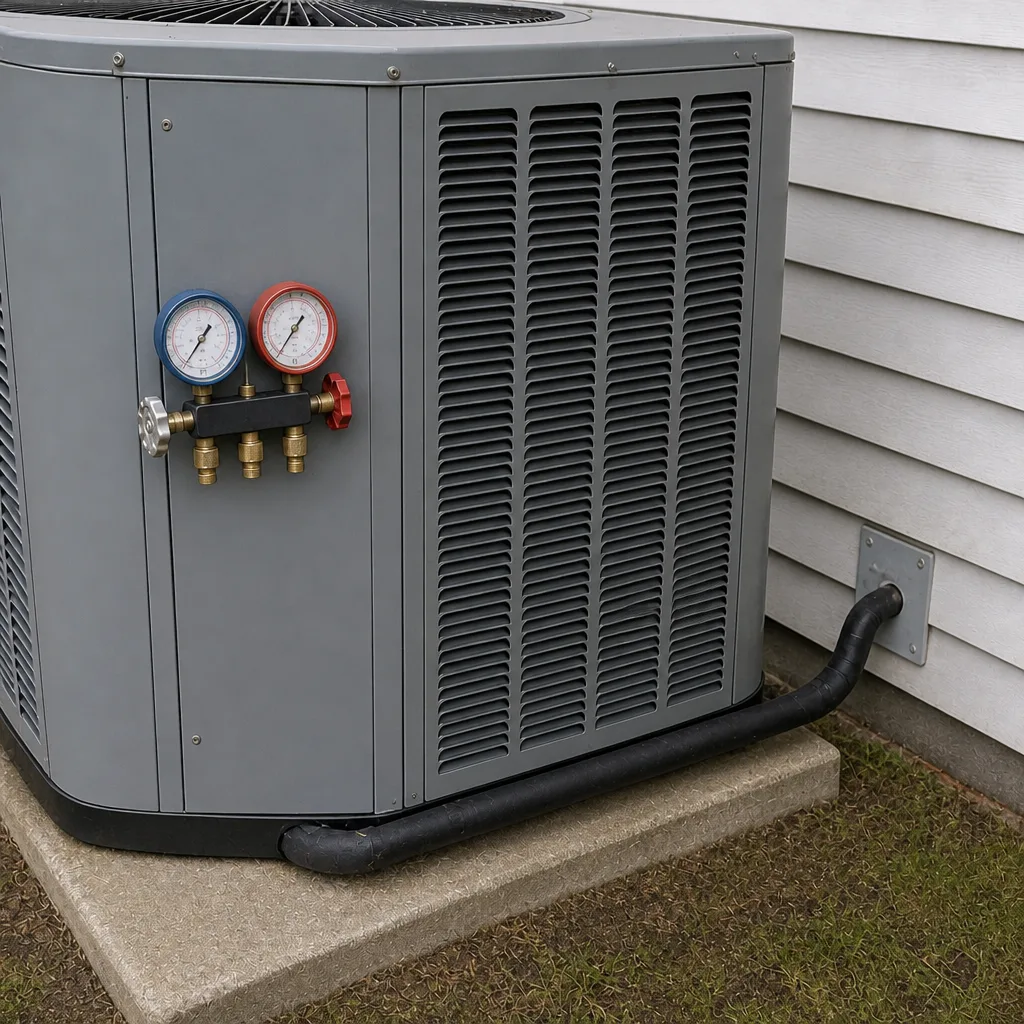
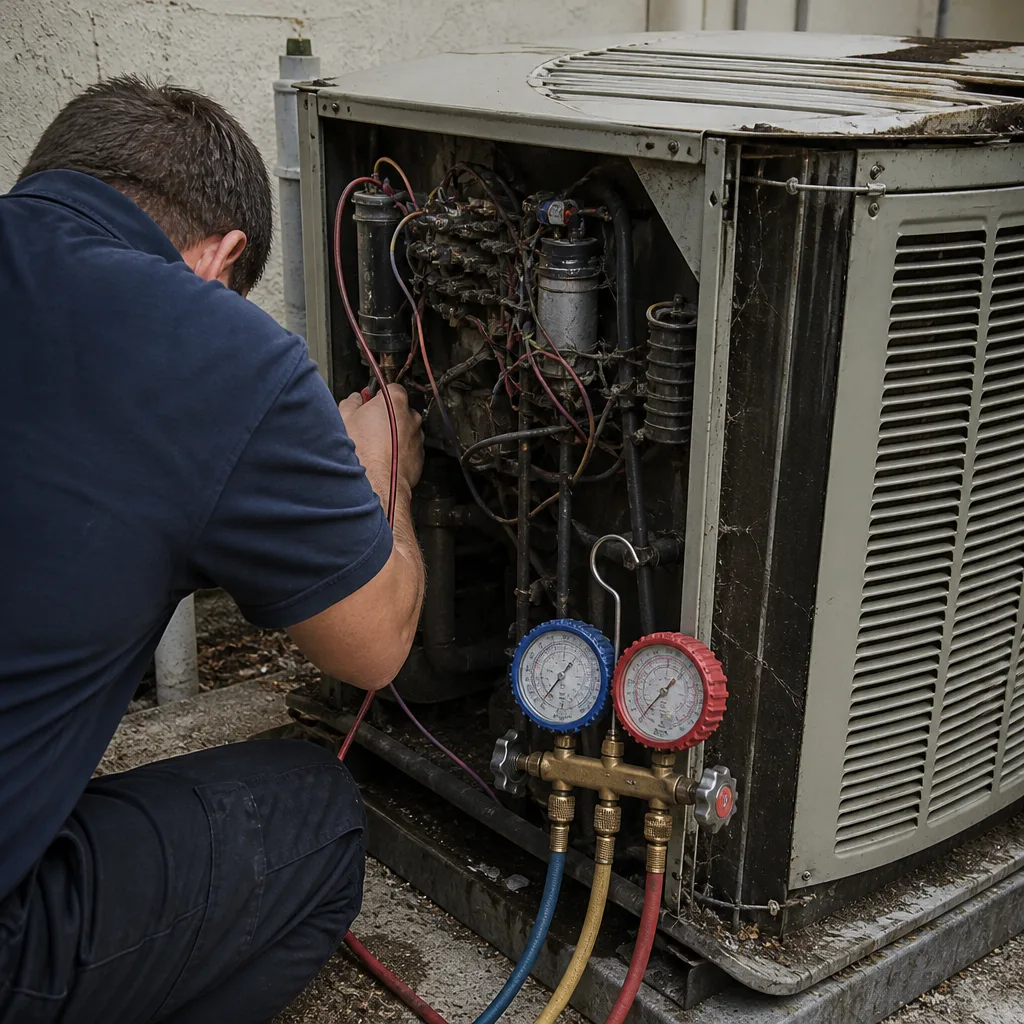
See the difference
 Before
 After
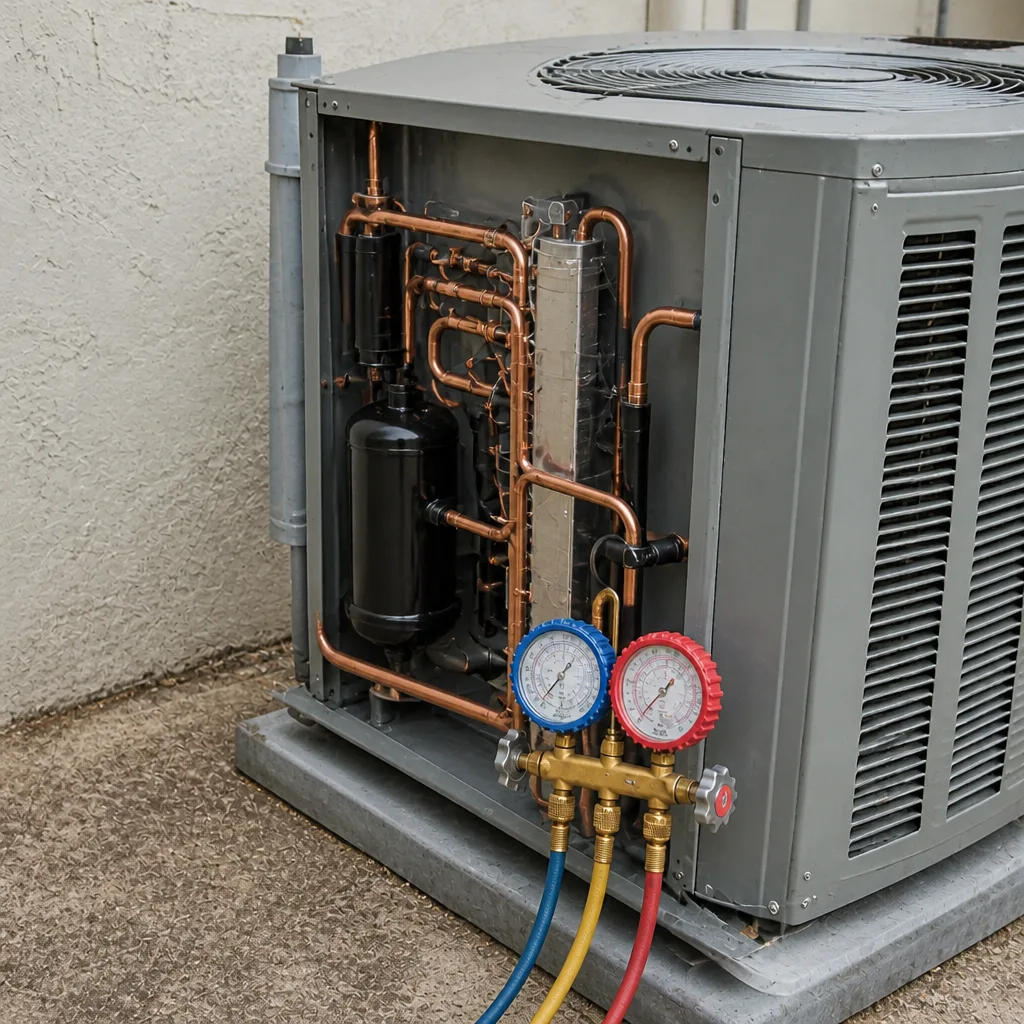
 Before
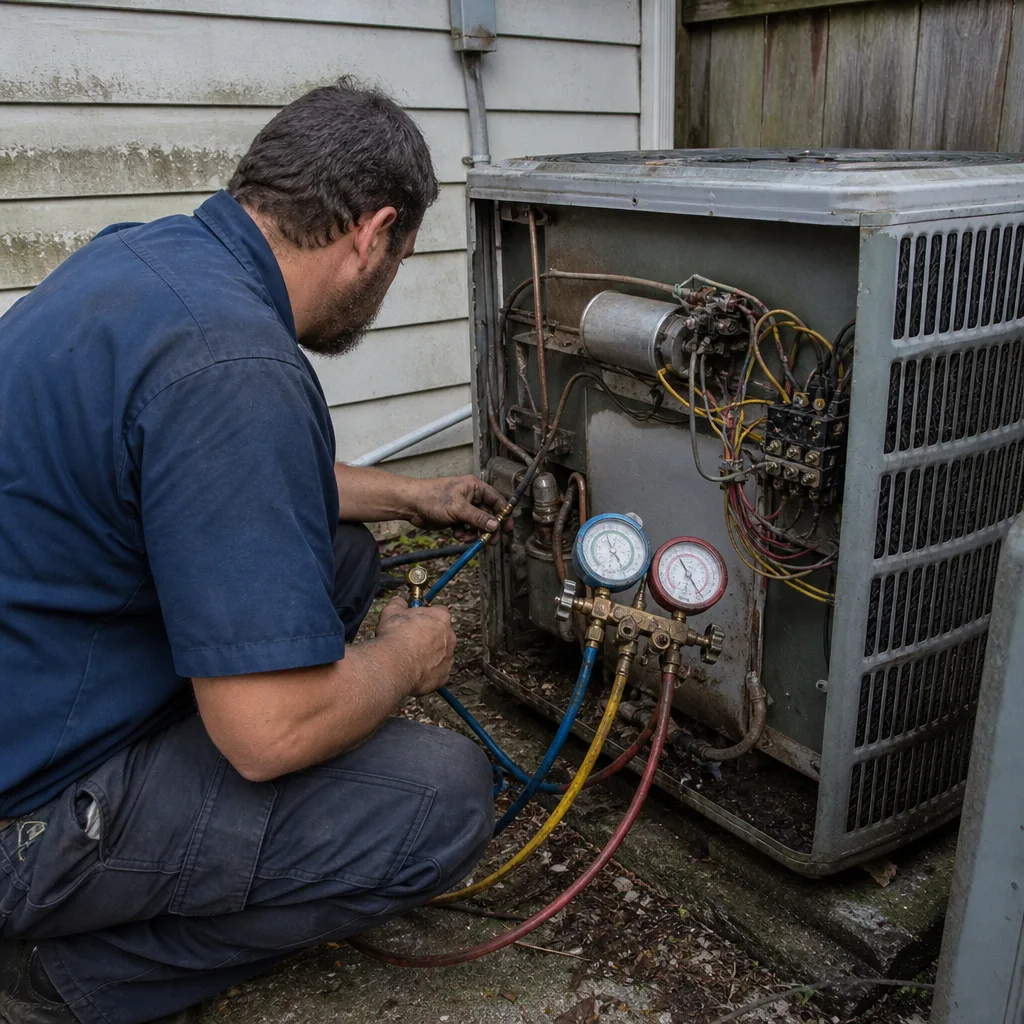
 After
 Before
 After
When to Call a Professional
A brand comparison is not always a “someday” project. It becomes urgent when the system fails in the middle of a Palm Coast summer, when you’re staring at a repair estimate that’s a meaningful chunk of a new install, or when the equipment you inherited with a house is past its practical lifespan and the technician can’t confidently price a fix. It also comes up when a warranty claim gets denied and you need a second opinion on whether the denial was correct.
Any of those scenarios is the moment to talk to someone who works on multiple brands rather than one. We help Palm Coast homeowners with the repair-or-replace question every week, and the answer is not always “buy new.” Sycamore AC Repair offers free estimates in Palm Coast – call (855) 360-7379.
Frequently Asked Questions
There’s no single best brand; the right choice depends on your coil exposure, local parts availability for that brand, and warranty terms. Carrier, Trane, Lennox, and American Standard all offer coastal-rated coil configurations that hold up well here. Call (855) 360-7379 for a free estimate and a brand-neutral recommendation based on your specific home.
Installation quality matters more than brand for day-to-day performance and lifespan, but brand matters a great deal for coil durability and warranty coverage in a humid, salt-influenced climate like Palm Coast. The best combination is a well-regarded brand installed correctly by a technician who knows your environment. Call (855) 360-7379 and we’ll walk through both.
Ask the installer directly whether the model you’re considering offers a factory-coated or stainless-steel coil option. Carrier, Trane, and American Standard confirm this on multiple residential models. Get it in writing on the proposal; if the installer can’t answer, that’s your answer.
It covers replacement of defective parts for ten years, usually conditioned on documented annual maintenance, and it almost never includes labor, refrigerant, or cosmetic damage. Corrosion coverage has to be explicit; if the warranty doesn’t mention it, it’s not covered. Ask the installer to point to the corrosion language in writing.
Neither is objectively better; the two brands are close in engineering quality and both offer coastal-rated coil options on higher-end models. The decision usually comes down to parts availability for your specific area and the exact configuration your home needs. Call (855) 360-7379 for a free estimate and we’ll compare the specific models you’re considering.
Often yes, especially if the existing system has been reliable and parts are readily available locally. Brand continuity can simplify warranty coverage and shorten repair times. But if your current brand has been failing on the coil repeatedly, switching is worth considering. Call (855) 360-7379 for a free assessment of your current system.
The Bottom Line
Brand loyalty in HVAC belongs to contractors, not homeowners. Judge every brand by four things: coastal coil suitability, local parts availability through Flagler County distributors, warranty terms that hold up under scrutiny, and honest local support. Carrier, Trane, Lennox, American Standard, Goodman, Rheem, York, Daikin, and Bryant all have legitimate places in a Palm Coast home depending on exposure, budget, and use. The right choice is the one your technician can explain in specifics. For a free estimate from a brand-neutral team that works on all nine, call (855) 360-7379. Or visit Sycamore AC Repair to see how we approach the repair-or-replace question.
Written by the team at Sycamore AC Repair.