
Last updated November 16, 2026
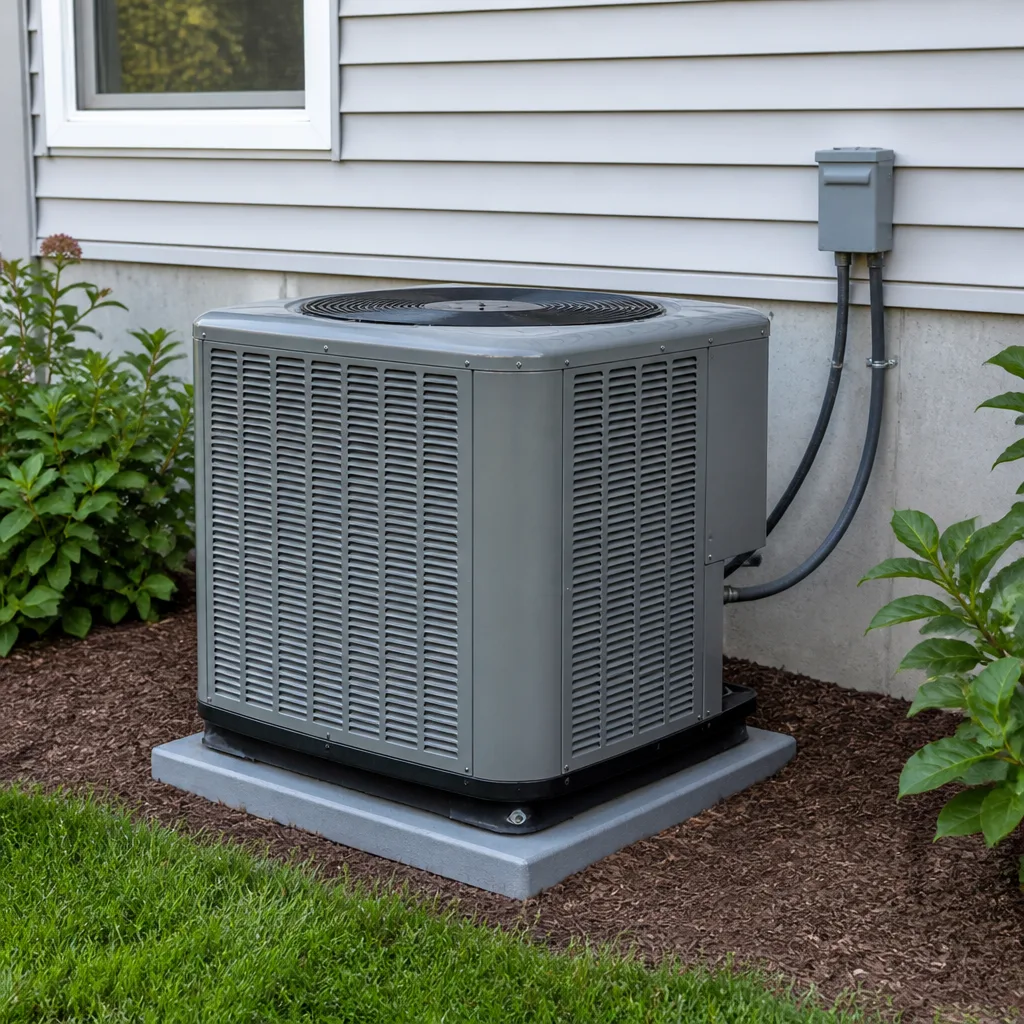 AC repair
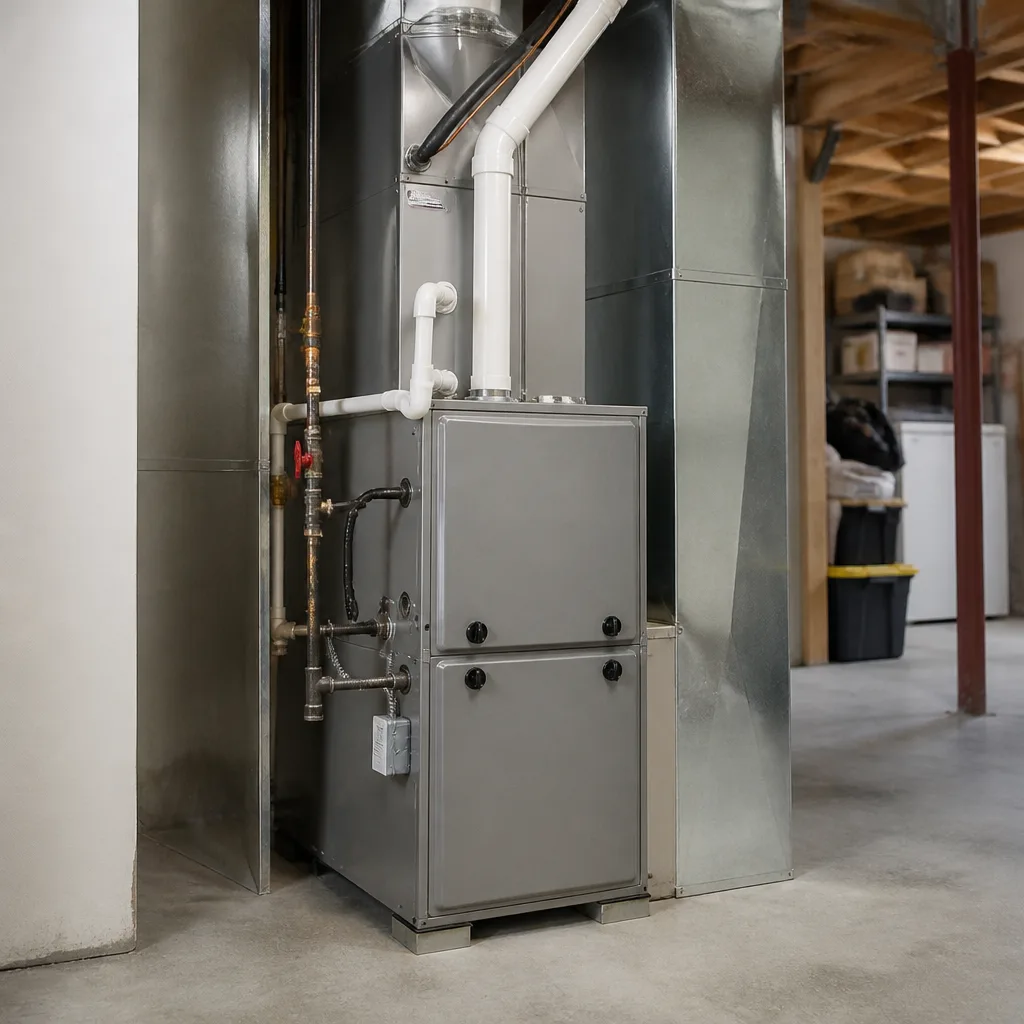 Furnace & heating
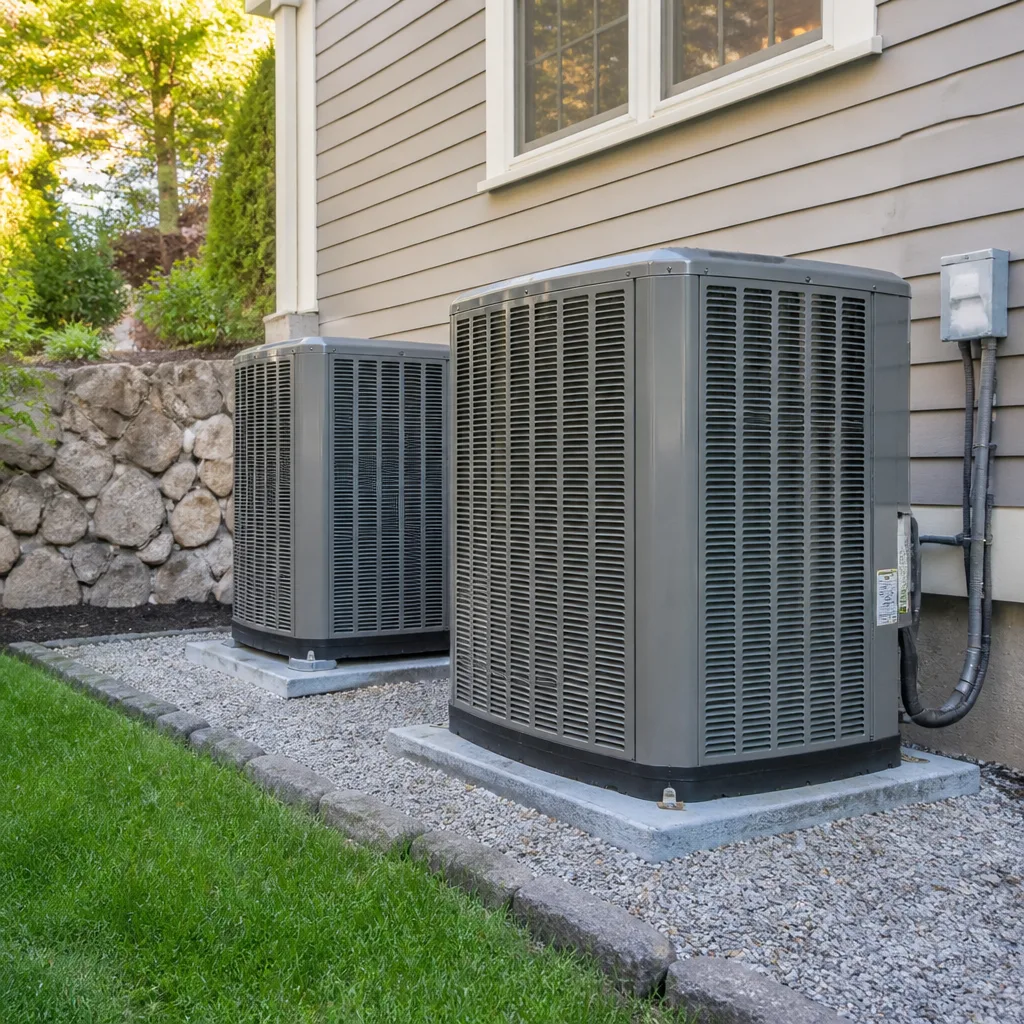 Heat pumps
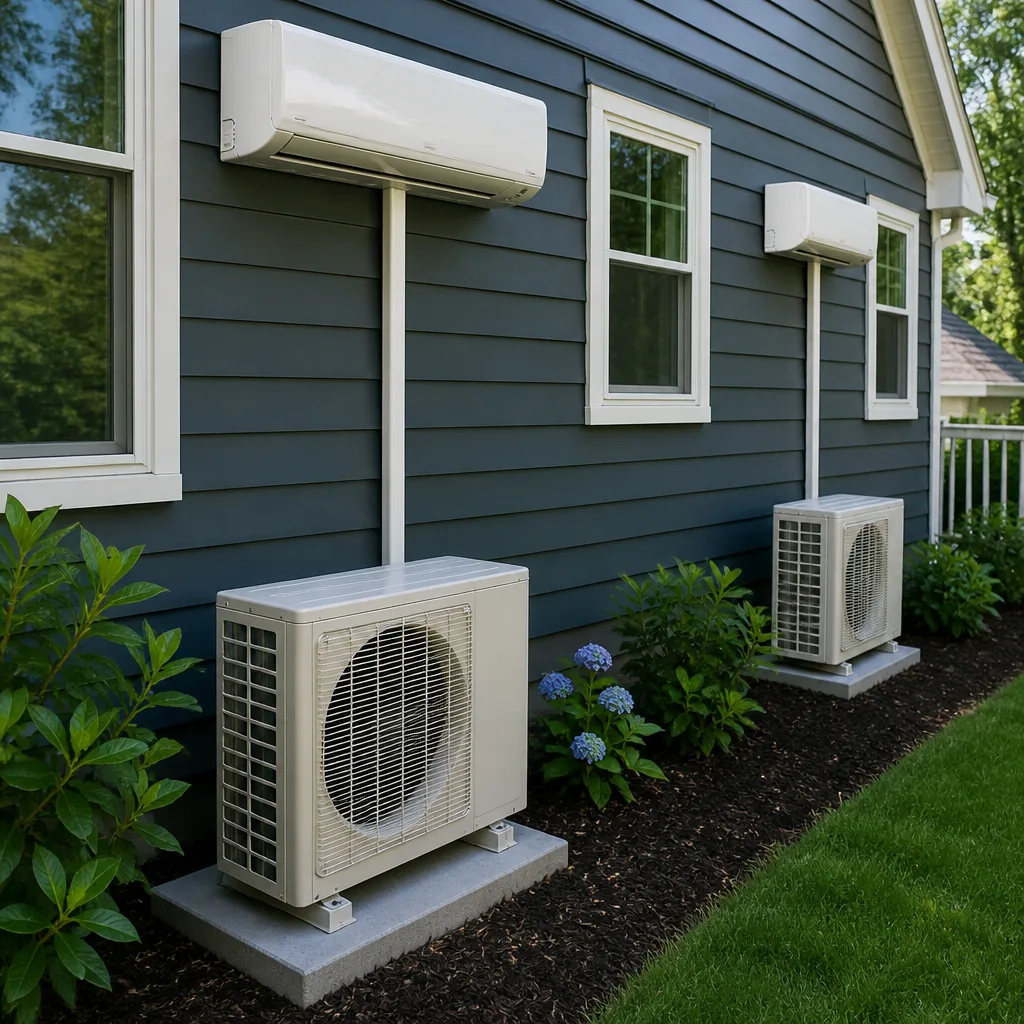 Ductless mini splits
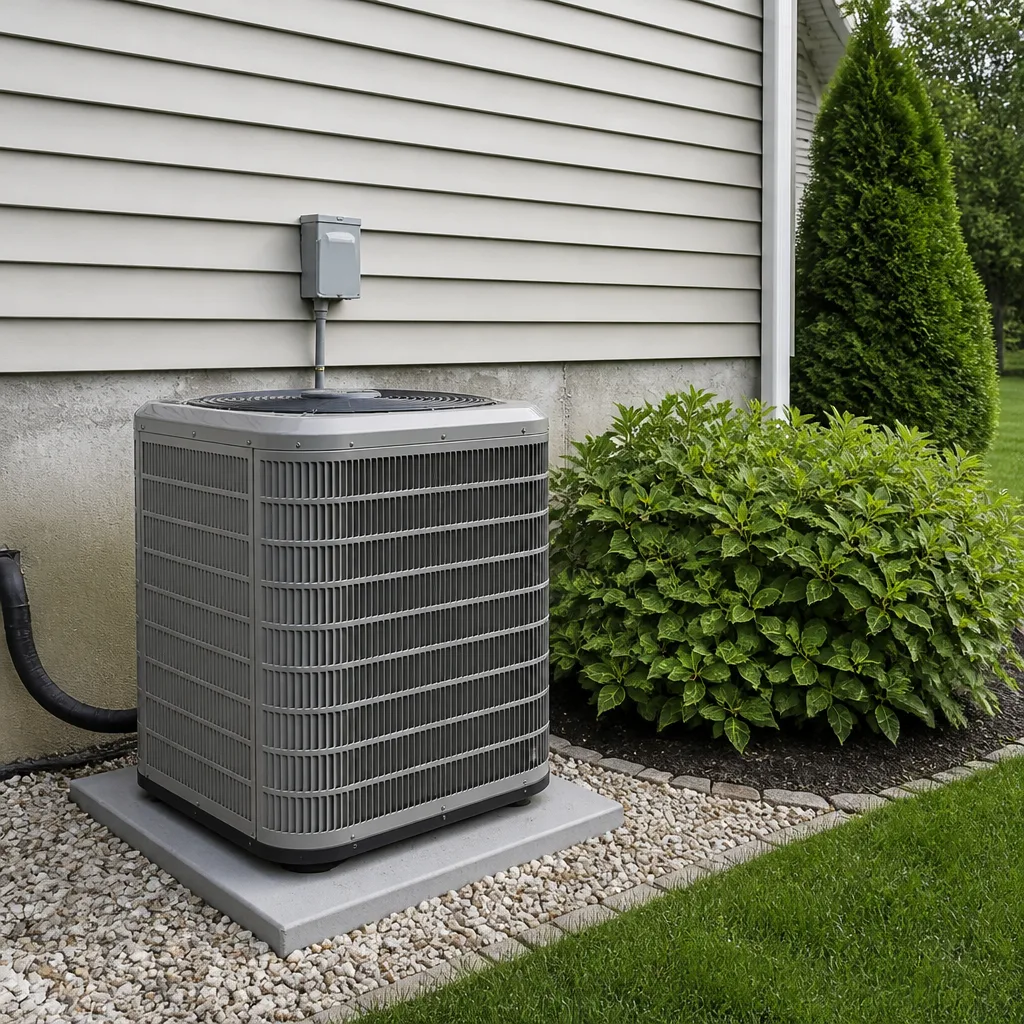 Carrier
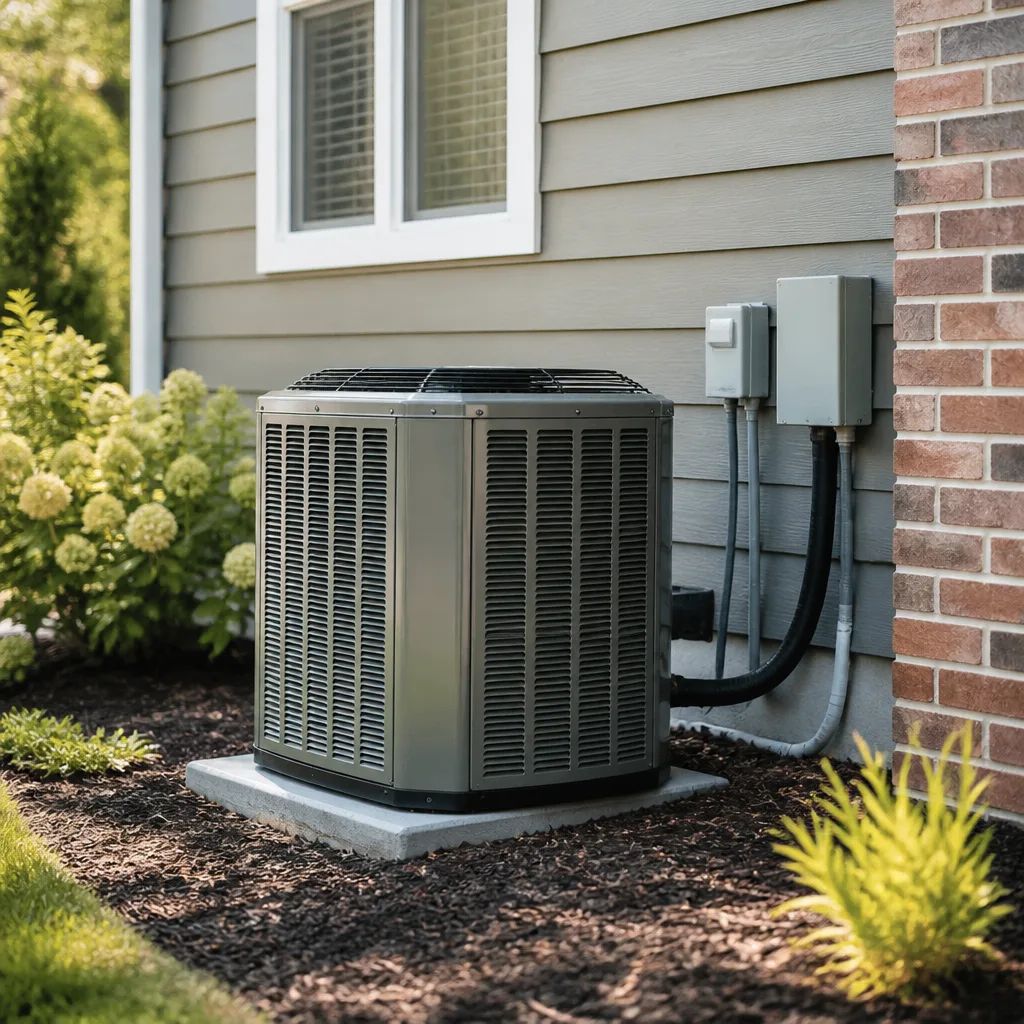 Trane
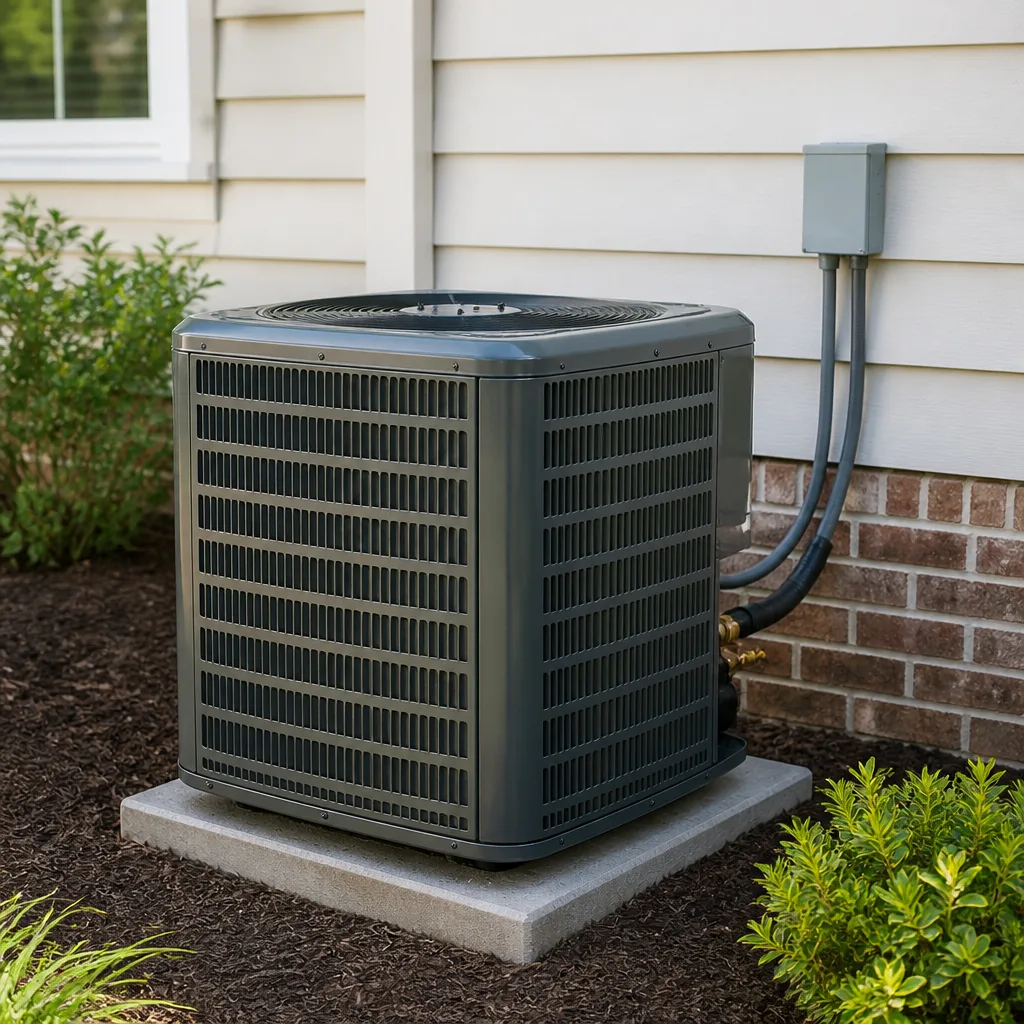 Goodman
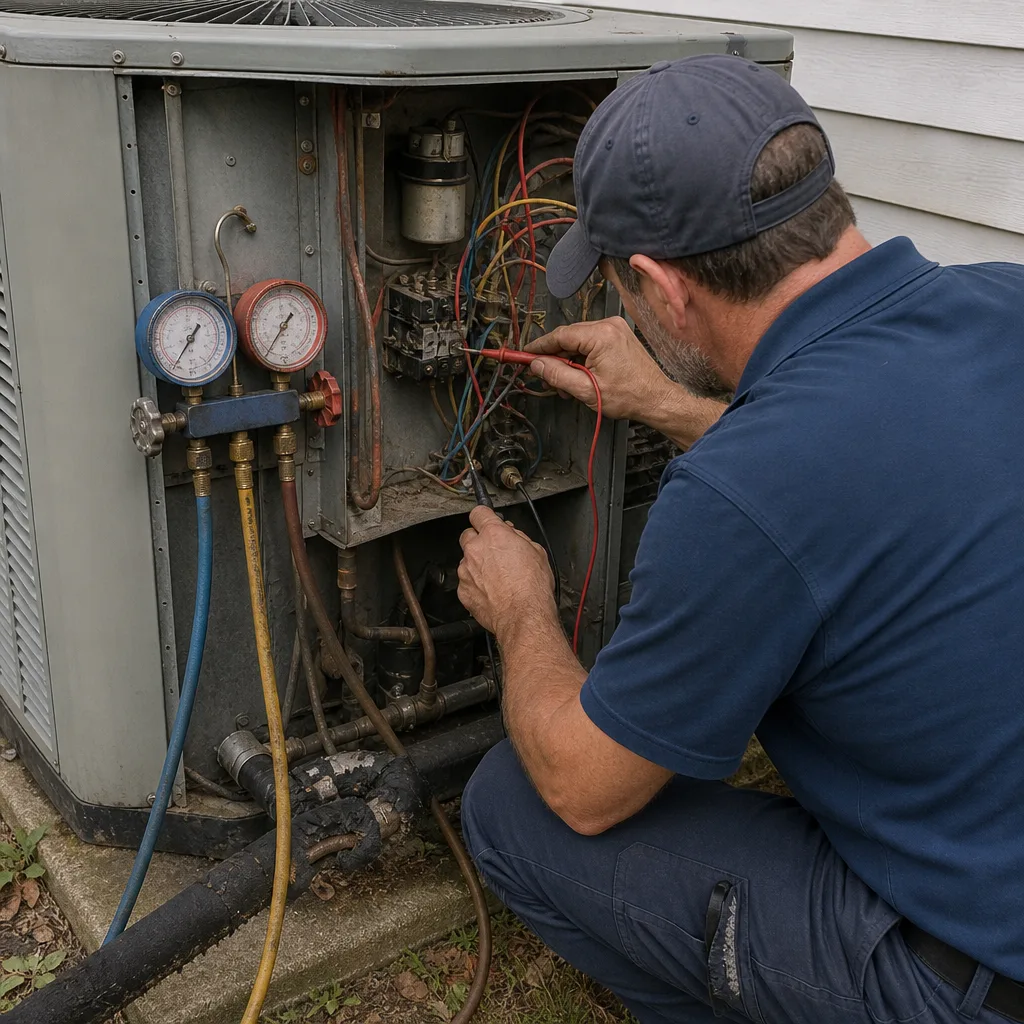
Seasonal tune-up and full diagnostic on your Carrier, Trane, or Goodman system - readings shown to you before any repair is proposed
Diagnosis first, numbers second - you approve the repair price before a single part goes in.
Get your free estimateHow to Hire an HVAC Contractor in Palm Coast: A Step-by-Step Guide
Florida requires HVAC contractors to be licensed, so the license check is table stakes. The question that actually separates a good hire from a bad one comes later in the conversation, and most homeowners never ask it: “Which brands are you certified to work on, and which ones do you tend to recommend?” A contractor who is fluent in one or two equipment brands has an invisible incentive to make your home fit their inventory instead of the other way around. That’s not a character flaw. It’s just how the business works when manufacturer relationships narrow the menu. This guide walks through license types, the brand question, red flags specific to the Palm Coast market, and how to compare quotes that spec different equipment and still make sense side by side.
Quick Answer
To hire an HVAC contractor in Palm Coast, verify their Florida state license, confirm their EPA 608 certification and manufacturer certifications, ask directly which brands they service and which they recommend (and why), demand a Manual J load calculation with any replacement quote, and read the warranty language before you sign. The single most revealing question is the brand question, because it tells you whether the contractor’s recommendation is driven by your home or by what they carry. Sycamore AC Repair services nine major brands and offers free estimates at (855) 360-7379.
Styles & brands we work with
- AC repair
- Furnace & heating
- Heat pumps
- Ductless mini splits
- Carrier
- Trane
- Goodman
Table of Contents
- What Licenses and Certifications Should a Palm Coast HVAC Contractor Hold?
- The Brand Question: How to Spot Inventory-Driven Recommendations
- Red Flags to Watch for in the Palm Coast Market
- Why Every Replacement Quote Needs a Manual J Load Calculation
- How to Compare HVAC Quotes Apples-to-Apples
- What Warranty Language Should Actually Say
- What a Trustworthy Contractor Tells You Without Being Asked
- The Step-by-Step Hiring Process
What Licenses and Certifications Should a Palm Coast HVAC Contractor Hold?
Three different credentials come up when you’re vetting an HVAC contractor in Florida, and they mean three different things. Confusing them is one reason homeowners think they’ve done their due diligence when they haven’t. Here’s how they break down.
The Florida CAC License
A CAC license is the Class A or Class B air conditioning contractor license issued by the state through the Florida Department of Business and Professional Regulation. It’s the credential that authorizes someone to contract for HVAC work in Florida. This is the license you verify first. A contractor without a current CAC license isn’t a contractor you should be letting work on your system, full stop. You can check it in the state’s license database using their name or license number.
EPA Section 608 Certification
EPA 608 is a federal certification required to handle refrigerants. Every technician who touches the refrigerant circuit on your system needs it. It’s a technician-level credential, not a company-level one. When you hire a company, ask whether their technicians are 608-certified. If you’re not sure, most reputable companies will tell you without hesitation.
Manufacturer Certifications
This is the layer most homeowners skip, and it’s the one that tells you the most about the quality of the recommendation you’ll get. Manufacturer certifications are earned through training programs the equipment makers run. A contractor who has completed training on Lennox, Goodman, Rheem, York, or any of the other major brands can service and troubleshoot those systems to spec. A contractor who hasn’t may still be able to fix your unit, but they’re working from generalized experience instead of manufacturer documentation.
Why the Three Tiers Matter Together
The license proves they’re allowed to contract. The EPA 608 proves they can legally handle refrigerant. The manufacturer certifications tell you whether they actually know your brand. All three together are what “qualified” should mean, and only one of the three is legally required to hold. That’s why the conversation needs to go past “are you licensed?”
The Brand Question: How to Spot Inventory-Driven Recommendations
Here’s the question that separates recommendation-driven contractors from inventory-driven ones: “Which brands are you certified to work on, and out of those, which do you tend to recommend?” The answer, or the way it’s dodged, tells you almost everything.
What Inventory-Driven Sounds Like
An inventory-driven contractor will recommend the brand or two they’re set up to install. That’s the brand they have access to, trained on most recently, or hold a relationship with. When you ask which brands they service, the answer is short. They may not name more than two. They may swing the conversation to “our preferred brand.” They may quote you a system in the brand they carry without ever asking what equipment you already own. None of this is illegal or even unusual. It’s just a narrower menu being presented as your only option. If your existing system is a brand they don’t service, you’ll likely be told a replacement makes more sense than a repair.
What Recommendation-Driven Sounds Like
A recommendation-driven contractor will name several brands. They’ll tell you what they’d choose for your specific situation and explain the reasoning. They’ll distinguish between what’s best for a 12-year-old system that just needs a service life extension versus what’s best for a full replacement. They won’t push a brand they carry exclusively.
At Sycamore AC Repair, we’re certified to work on nine major brands: Carrier, Trane, Lennox, Goodman, Rheem, York, Daikin, Bryant, and American Standard. We have no exclusive dealership with any of them, so the recommendation you get back is based on your house and your existing equipment, not what’s on the truck.
The Follow-Up Question to Ask
Once they name brands, ask: “If I told you my current system was a [your brand], would you recommend repair or replacement?” Listen for whether the answer depends on the condition of the system or on whether they carry your brand. A contractor with real brand fluency won’t stumble. A contractor with limited brand coverage will.
Red Flags to Watch for in the Palm Coast Market
Some hiring issues show up everywhere. Others are more specific to this part of Florida. Here’s what to watch for when vetting contractors in Palm Coast.
Quotes With No Load Calculation
If a replacement quote includes only a tonnage figure and a price, ask for the Manual J. Sizing a system in Florida requires measuring the house, accounting for window exposure, insulation, duct condition, and ceiling height. A quote without a load calculation is a guess dressed up as a recommendation. That goes for changes to your existing system too, not just new installs.
Warranty Language That Stays Vague When You Ask
Manufacturers set the warranty terms, but the contractor’s job is to explain them clearly. If a quote says “warranty included” without naming the parts warranty term, the labor warranty term, and whether labor is covered by the manufacturer or the contractor, ask for clarity in writing. Vague warranty language is one of the most common sources of surprise bills a year or two after install.
Recommendations That Ignore What You Already Own
If your home has a well-maintained Carrier or Trane system and a contractor recommends replacement without inspecting the system first, ask why. In our experience, homeowners in Palm Coast are often told their system “needs to go” when a repair and a coil cleaning would have bought them several more years. That’s not always the case, but it happens often enough to be worth asking about.
Quotes That Don’t Mention Ductwork
Duct condition matters as much as equipment condition in a cooling-dominated climate. A quote that doesn’t address duct inspection, sealing, or duct sizing is leaving out a big part of what your system will actually deliver.
No Written Estimate
Florida requires written contracts for home improvement work over a certain threshold, and reputable HVAC contractors will put pricing in writing as a matter of course. If the number only exists on a clipboard, walk.
Why Every Replacement Quote Needs a Manual J Load Calculation
Manual J is the industry standard method for calculating how much heating and cooling a home actually needs. It’s the calculation that determines what size system you should install, and it’s not optional for a good installation. Without it, the contractor is sizing your system on square footage or on the size of the system they’re replacing. Both are rules of thumb, and rules of thumb don’t account for your specific home.
What Manual J Considers
- Square footage, ceiling height, and interior volume
- Window placement, size, glazing type, and shading
- Wall, ceiling, and floor insulation values
- Duct system location and condition
- Local design temperatures for the cooling and heating seasons
- Internal heat gains from appliances and occupants
Why It Matters in Palm Coast
Palm Coast homes have real cooling loads and modest heating loads. An oversized system cools fast but removes less humidity, which leaves the house feeling clammy even at a comfortable dry-bulb temperature. An undersized system runs continuously and can’t keep up in July. Either way, the wrong size means higher bills and more wear. In a cooling-dominated climate, the Manual J result is the backbone of the whole quote.
What to Ask For
Ask the contractor to share the Manual J report. A reputable one will. If they insist it’s internal to their process, ask at minimum which size in tons they calculated and on what basis. A contractor who can’t tell you the size they calculated can’t defend the recommendation.
How to Compare HVAC Quotes Apples-to-Apples
Three quotes can come back for three different sized systems in three different efficiency tiers from three different brands and look completely incomparable. They can be compared once you strip them down to the information that actually matters.
Build a Comparison Table
List each quote against the same set of fields. If a contractor won’t provide a field, that’s information too.
- Load calculation. Did they include a Manual J? What tonnage did they calculate?
- Equipment model numbers. Exact model, not just brand name.
- Efficiency tier. What efficiency level is the quoted system at, and how does it compare to what you have now?
- Scope of installation. Is ductwork included? Line set? Disconnect and pad? Permit?
- Thermostat. Is a new thermostat included, and if so, what type?
- Warranty. Parts term, labor term, and who provides the labor coverage.
- Permit. Who pulls it, and is the cost included in the quote?
- Total price. Out-the-door number, including anything itemized separately.
Same-Brand Comparisons Are Easier
When all three quotes come from contractors who service the same range of brands, the comparison is closer to apples-to-apples because the equipment tiers line up. When one quote is locked to a brand the other contractors don’t offer, you’re comparing a menu of one against a menu of many. This is why the brand question from earlier comes back into play at quote time.
Watch for the Low-End Tier
Some contractors quote the entry-level tier in a brand line to land the low number, then upsell the higher tier later. Ask which tier you’re being quoted and what the next tier up would cost, so you can see the range side by side. Then decide what’s actually right for your house, not what wins the price war on the bid.
What Warranty Language Should Actually Say
Warranty is one of the parts of the quote most likely to be glossed over. Here’s what a clean manufacturer-and-installer warranty setup should clarify.
The Two Tiers of Warranty
- Manufacturer parts warranty. Covers the equipment itself. Term depends on the tier you buy and the brand.
- Labor warranty. Covers the work to diagnose and replace covered parts. Provided by the contractor, not the manufacturer.
Some contractors register the equipment with the manufacturer for you. Some leave it to you. If registration is required to activate warranty coverage, ask who handles it and confirm the registration happens after install.
What to Get in Writing
Ask for the manufacturer’s warranty documentation and the contractor’s labor warranty terms in writing before you sign. The manufacturer’s documents will name the covered components and the term. The contractor’s labor terms will name the labor coverage period and any exclusions. If either of those asks gets deflected, slow down. And read carefully: “warranty included” is not the same as “10-year parts and 5-year labor,” and the burden of asking is on you, before the install.
What a Trustworthy Contractor Tells You Without Being Asked
A good HVAC contractor volunteers information. The gaps between what they say and what they don’t say is often where the character shows. In our experience, a contractor you should hire will bring these up on their own.
They Tell You Repair Versus Replace, Honestly
When a system is genuinely at the end of its life, a good contractor will tell you. When it isn’t, a good contractor will tell you that too, and give you a repair estimate without hedging. A company that offers both repair and full replacement as real options is telling you something about how they think about the job. That’s part of how we approach it, and it’s worth asking every contractor directly.
They Flag Duct Issues
A good contractor will tell you that a 12-year-old system in a Florida home often has duct issues worth inspecting. A less careful one will spec a new system on top of bad ducts and collect the check.
They Explain the Equipment Tiers
Brands aren’t the only thing that matters. Within every brand there are efficiency tiers that vary in price and long-term cost. A trustworthy contractor will walk you through the tiers, tell you which one they’d choose for your house, and explain why.
They Put the Price in Writing
Written estimates protect you and protect them. There’s no version of the job where “the price we talked about” beats a signed written estimate.
They Don’t Disappear After Install
Callbacks are part of HVAC work. A contractor who stays reachable after the install is a contractor who’ll honor the labor warranty. If the phone goes quiet after install on habits you’ve seen, you’re not getting the follow-up you paid for.
The Step-by-Step Hiring Process
Putting the whole thing in order makes it easier to work through. Here’s the process we’d suggest for anyone vetting an HVAC contractor in Palm Coast.
- 1
Verify the license. Check the CAC license with the state before you call.
- 2
Ask about EPA 608. Confirm their technicians are certified to handle refrigerant.
- 3
Ask the brand question. “Which brands are you certified to work on, and which do you tend to recommend?” Listen for a range, not a single name.
- 4
Describe your existing system by brand. Watch for hesitation or a pivot to replacement.
- 5
For any replacement quote, request the Manual J. No load calculation, no quote.
- 6
Get pricing in writing. Confirm what’s included in the scope.
- 7
Ask warranty questions in writing. Parts term, labor term, who registers the equipment.
- 8
Compare quotes on the same fields. Use the table above so different brands don’t confuse the comparison.
- 9
Ask what they’d do in your shoes. A good contractor has a clear answer.
- 10
Check the installation date in the quote. Replacement is scheduled work, so you should know when it will happen.
If you’re comparing AC replacements specifically, our guide to AC installation walks through what a proper replacement actually involves. For heating-side work, furnace repair covers the diagnostic side and the repair-versus-replace conversation.
See the difference
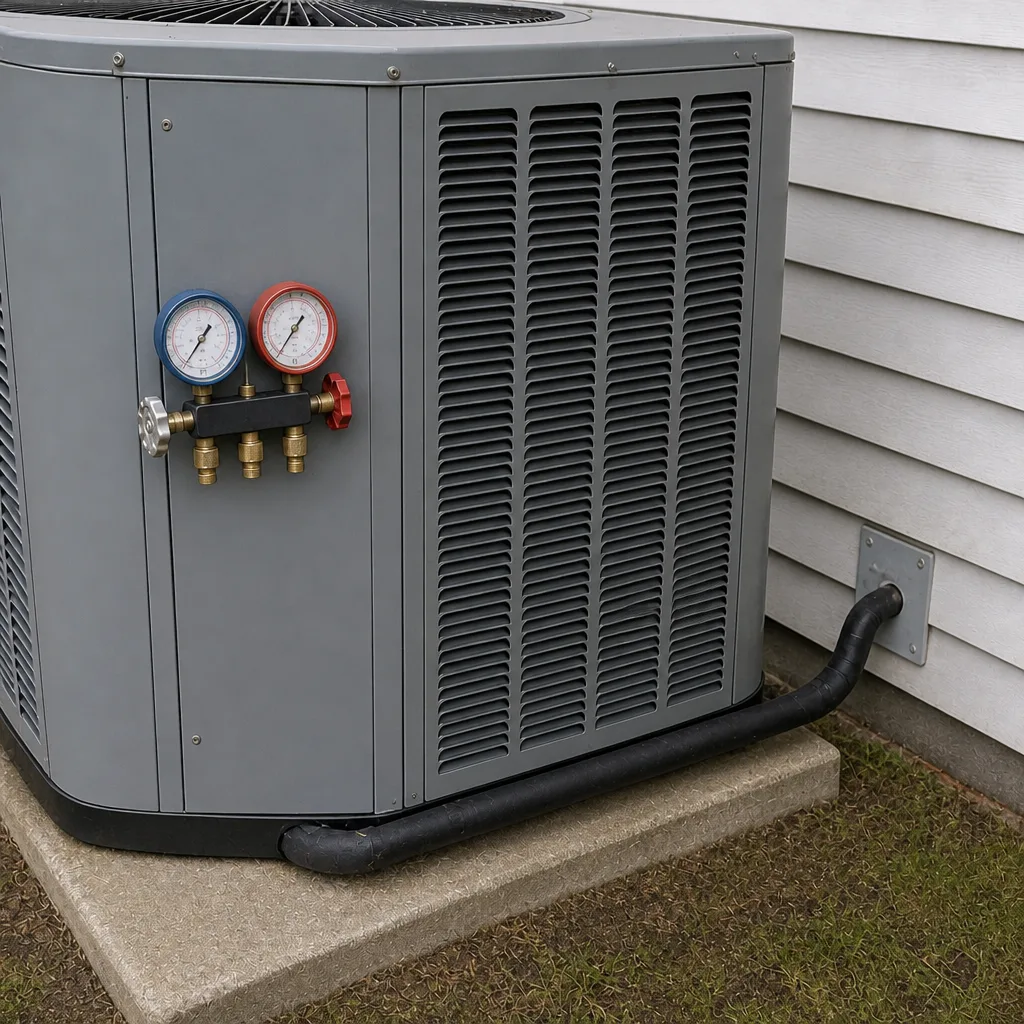
 Before
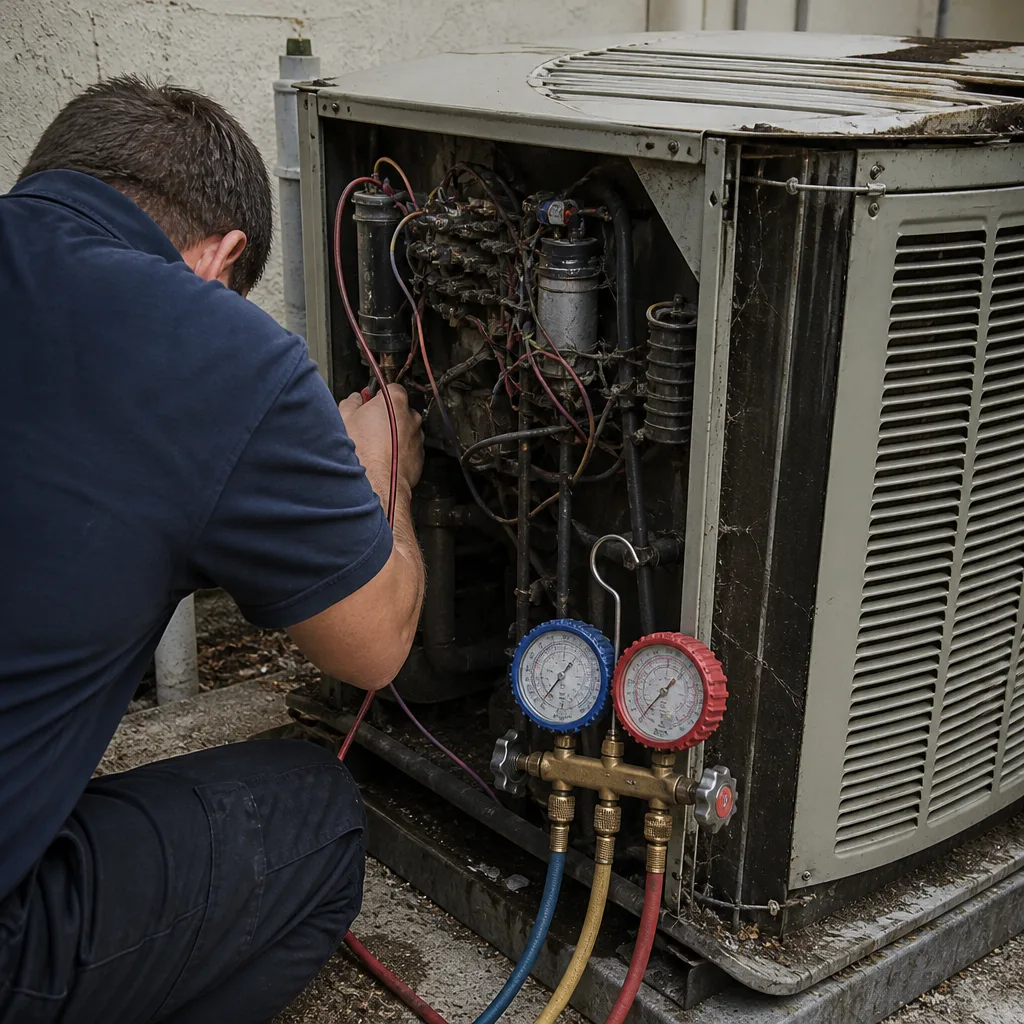
 After
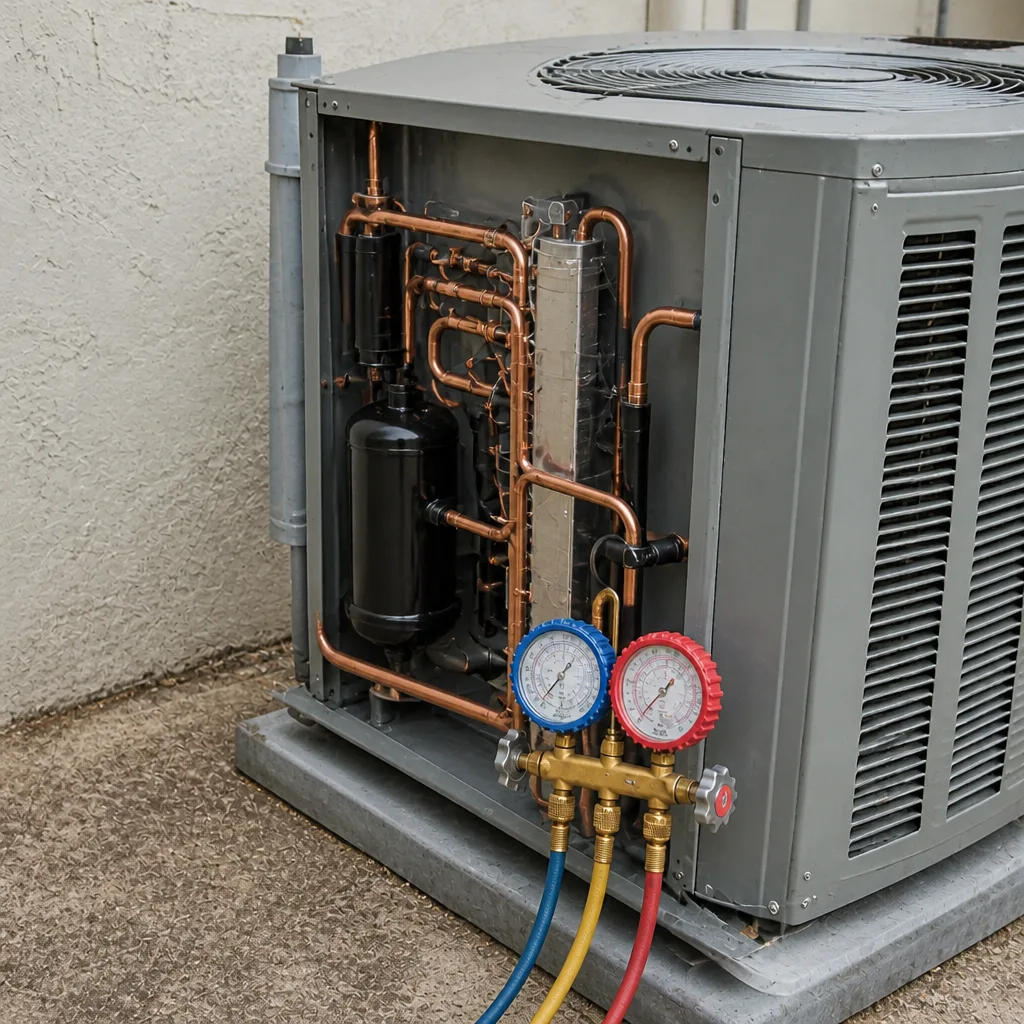
 Before
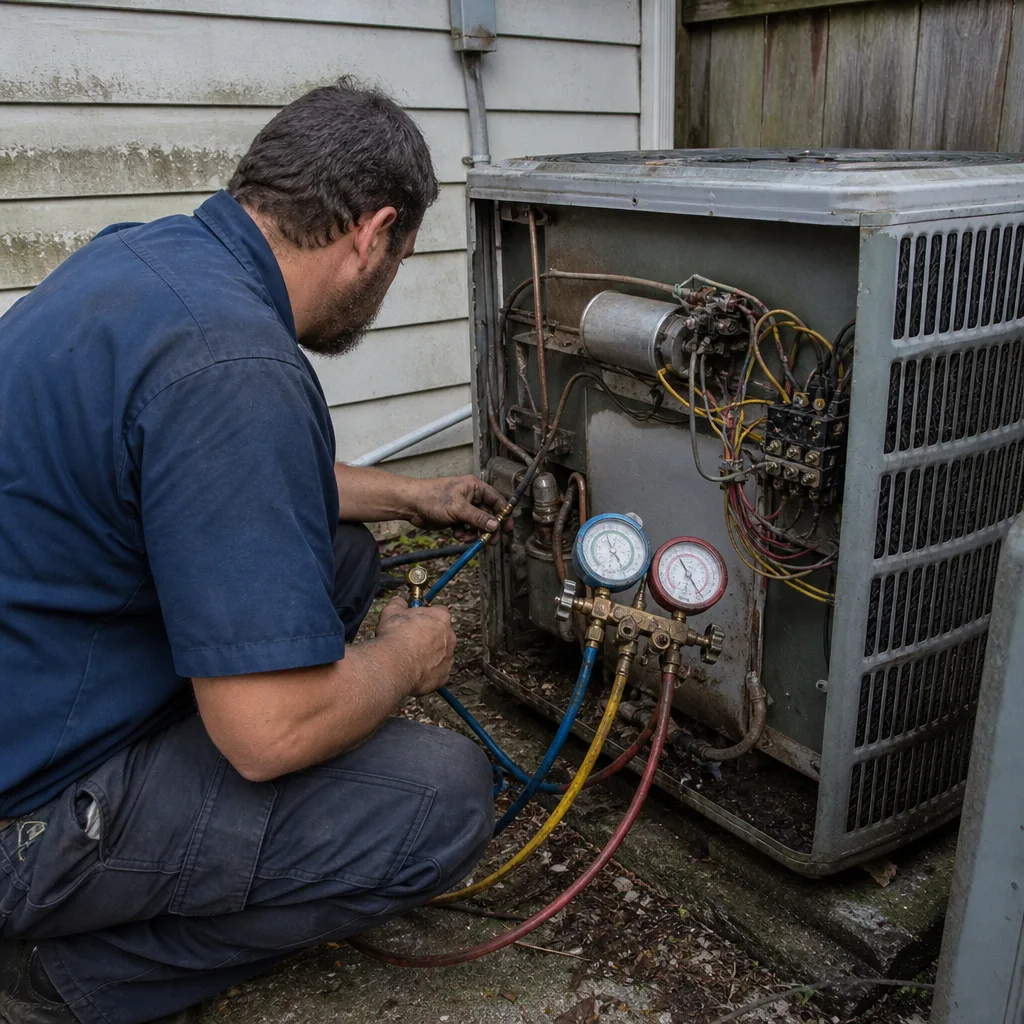
 After
 Before
 After
Common Mistakes to Avoid
- Stopping at “are you licensed?” The license check is the first step. It doesn’t tell you whether the contractor has the brand coverage to service the system you already own.
- Not asking the brand question. A contractor fluent in one or two brands will recommend from that list. That’s the most common way homeowners end up with a system outside their original brand and less repair access down the line.
- Accepting a quote without a Manual J. Replacing equipment with a guess on sizing is a common reason homes in Palm Coast feel clammy even with a brand-new AC running.
- Comparing price only. A quote at the same number with a different-spec system isn’t the same quote. Compare models, tiers, and included scope.
- Assuming “full warranty” means full coverage. Parts and labor are separate. Ask which is covered by whom.
- Not asking about ductwork. A system is only as good as the ducts it moves air through. Look for duct inspection in every quote.
- Skipping the written estimate. Verbal numbers are hard to enforce. Everything should be in writing before you commit.
When to Call a Professional
Some things you can check yourself, like the thermostat setting and the filter. Many things you shouldn’t touch, including refrigerant handling and anything inside the electrical panel or the compressor cabinet. Those need a trained technician, full stop. Call a professional if your AC runs but doesn’t cool, if it’s short-cycling, if you hear unusual noises from the compressor or outdoor unit, if the system ices up, or if your system is 10 to 15 years old and cooling performance has dropped. Call before a scheduled replacement decision if you’re on the fence between repair and replacement, because that conversation is where brand fluency matters most. If your existing system is a brand you need serviced and you’re not sure who services it locally, that’s also a good reason to call. Sycamore AC Repair offers free estimates in Palm Coast – call (855) 360-7379. We answer 24/7. Fast dispatch from 7am to 7pm, Sunday through Friday.
Frequently Asked Questions
An HVAC contractor in Palm Coast should hold a Florida CAC (Class A or Class B air conditioning contractor) license issued through the state. That’s the license that authorizes them to contract for HVAC work in Florida. You can verify it in the state’s license database before you hire. Confirm in writing that they hold it and ask for the license number. For an exact quote on your system, call (855) 360-7379 – estimates are free.
EPA 608 is a federal certification required to legally handle refrigerants, held at the technician level. A manufacturer certification is a training credential earned through a specific brand’s program, showing the contractor can service equipment from that manufacturer to spec. Both matter, and they tell you different things. The manufacturer certification is the one that predicts how well the contractor will handle your existing system. Call (855) 360-7379 for a free estimate if you want to know which brands we service.
A contractor who services many brands has no incentive to steer you toward a specific manufacturer. A contractor who services only one or two brands is limited to a shorter menu and may recommend replacement when repair is the smarter call for the equipment you own. Multi-brand fluency is the difference between a recommendation driven by your situation and one driven by inventory. Call (855) 360-7379 for a free estimate; we service nine major brands.
Yes, you should require one. A Manual J load calculation determines the right system size for your home based on square footage, windows, insulation, duct condition, and local design temperatures. A quote without one is a guess on tonnage. Ask the contractor for the calculation before you sign. Call (855) 360-7379 for a free estimate on your replacement.
It depends on the age of the system, the condition of the compressor and coils, and whether the repair cost is justified by the remaining service life. In our experience, a well-maintained system at 10 years old can often be repaired and run for several more years. A system at 15 years with a compressor issue is often at the replacement threshold. Ask for both numbers side by side. Call (855) 360-7379 for a free estimate, and we’ll talk through both options.
An HVAC installation warranty has two layers: a manufacturer parts warranty on the equipment and a labor warranty from the contractor. The manufacturer warranty covers the parts term for the specific model and tier you buy. The labor warranty covers the work to diagnose and replace covered parts. Both should be in writing before the install. Call (855) 360-7379 if you want to talk through what warranty coverage is typical with our installations.
The Bottom Line
Vetting an HVAC contractor in Palm Coast comes down to three checks: verify the CAC license, ask for EPA 608 and manufacturer certifications, and ask the brand question. The license and certifications are table stakes. The brand question is where the real signal is, because it tells you whether the recommendation you get will be built around your home or around what the contractor carries. Add a Manual J to every replacement quote, insist on written pricing and warranty terms, and compare quotes on the same fields so different brands don’t confuse the comparison. If you’re ready to talk through repair or replacement, Sycamore AC Repair offers free estimates in Palm Coast. We answer 24/7. Fast dispatch from 7am to 7pm, Sunday through Friday. Call (855) 360-7379 today.
For more on who we are and the areas we serve, visit Sycamore AC Repair and Palm Coast.
Written by the team at Sycamore AC Repair.